Types of Toe Fractures

Toe fractures usually result from direct trauma, such as stubbing the toe or dropping something on the foot. The most frequently affected areas are the lesser toes, especially the part of the toe closest to the rest of the foot. Types of toe fractures include simple fractures, where the bone remains intact under the skin, and compound fractures, where the bone breaks through the skin and may lead to infection. Avulsion fractures occur when a tendon or ligament pulls a piece of bone away, while comminuted fractures involve the bone shattering into multiple fragments. Intra-articular fractures extend into the joint and may affect long-term toe mobility, and dislocation fractures combine a bone break with joint misalignment. A podiatrist can assess the injury using imaging such as X-rays to determine the type of fracture and the degree of bone displacement. Treatment may involve immobilization with a cast or walking boot, or in more severe cases, surgery to realign and secure the bones. If you have broken or severely bruised your toe, it is suggested that you schedule an appointment with a podiatrist for appropriate treatment.

A broken toe can be very painful and lead to complications if not properly fixed. If you have any concerns about your feet, contact Charles Oehrlein, DPM from Hoover Foot Care. Our practitioner will treat your foot and ankle needs.

What to Know About a Broken Toe

Although most people try to avoid foot trauma such as banging, stubbing, or dropping heavy objects on their feet, the unfortunate fact is that it is a common occurrence. Given the fact that toes are positioned in front of the feet, they typically sustain the brunt of such trauma. When trauma occurs to a toe, the result can be a painful break (fracture).

Symptoms of a Broken Toe

  • Throbbing pain
  • Swelling
  • Bruising on the skin and toenail
  • The inability to move the toe
  • Toe appears crooked or disfigured
  • Tingling or numbness in the toe

Generally, it is best to stay off of the injured toe with the affected foot elevated.

Severe toe fractures may be treated with a splint, cast, and in some cases, minor surgery. Due to its position and the pressure it endures with daily activity, future complications can occur if the big toe is not properly treated.

If you have any questions, please feel free to contact our office located in Hoover, Oneonta, and Munford, AL . We offer the newest diagnostic and treatment technologies for all your foot care needs.

Read more about What to Know About a Broken Toe

Ankle Injuries in Volleyball

Ankle injuries are a frequent concern for volleyball players, with lateral ankle sprains being the most common. These ankle injuries often happen when a player lands awkwardly on the outer edge of the foot, especially after jumping near the net and coming down on another player's foot. This motion can stretch or tear the ligaments on the outside of the ankle. When the stabilizing muscles cannot absorb the impact, the joint becomes vulnerable. Repeated ankle sprains can weaken the joint over time, increasing the risk of chronic pain, joint instability, or arthritis. Depending on the severity, symptoms range from mild soreness and swelling to a complete ligament tear, which can cause bruising, pain, and the inability to bear weight. A podiatrist can perform a thorough exam of your ankle to determine the grade of the sprain and recommend appropriate treatment, which may include bracing or surgery, in more severe cases. If you have injured your ankle, it is suggested that you schedule an appointment with a podiatrist for an exam, diagnosis, and treatment.

Sports related foot and ankle injuries require proper treatment before players can go back to their regular routines. For more information, contact Charles Oehrlein, DPM of Hoover Foot Care. Our practitioner can provide the care you need to keep you pain-free and on your feet.

Sports Related Foot and Ankle Injuries

Foot and ankle injuries are a common occurrence when it comes to athletes of any sport. While many athletes dismiss the initial aches and pains, the truth is that ignoring potential foot and ankle injuries can lead to serious problems. As athletes continue to place pressure and strain the area further, a mild injury can turn into something as serious as a rupture and may lead to a permanent disability. There are many factors that contribute to sports related foot and ankle injuries, which include failure to warm up properly, not providing support or wearing bad footwear. Common injuries and conditions athletes face, including:

  • Plantar Fasciitis
  • Achilles Tendinitis
  • Achilles Tendon Rupture
  • Ankle Sprains

Sports related injuries are commonly treated using the RICE method. This includes rest, applying ice to the injured area, compression and elevating the ankle. More serious sprains and injuries may require surgery, which could include arthroscopic and reconstructive surgery. Rehabilitation and therapy may also be required in order to get any recovering athlete to become fully functional again. Any unusual aches and pains an athlete sustains must be evaluated by a licensed, reputable medical professional.

If you have any questions please contact our office located in Hoover, Oneonta, and Munford, AL . We offer the newest diagnostic and treatment technologies for all your foot and ankle needs.

Read more about Sports Related Foot And Ankle Injuries

Managing a Fungal Toenail Infection

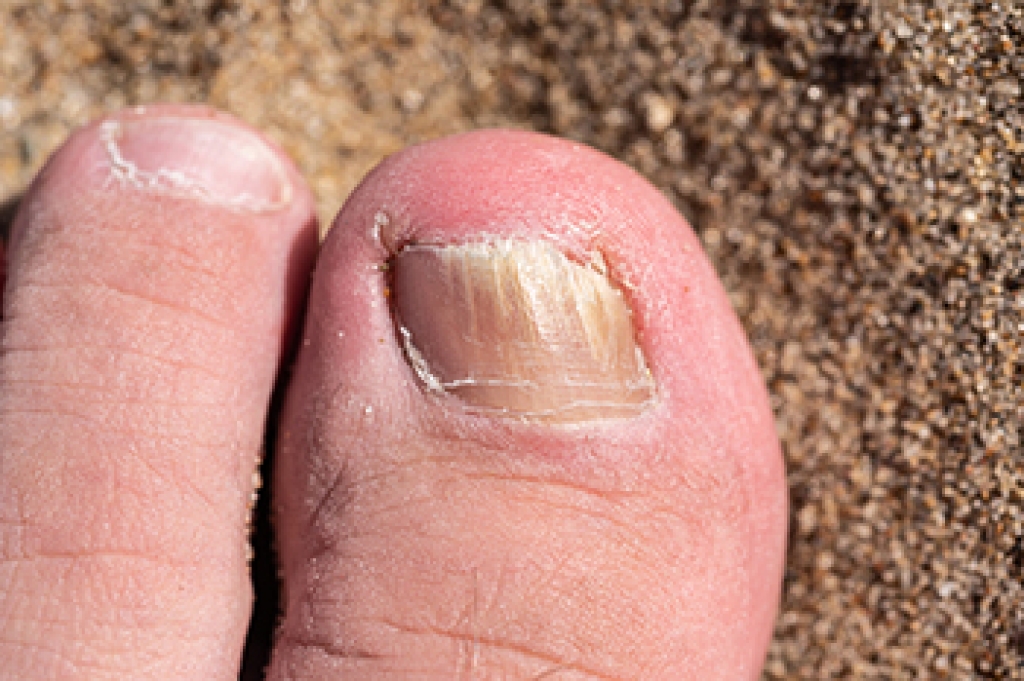
Fungal toenail infections usually begin at the tip or sides of the toenail and may cause discoloration, thickening, and crumbling of the nail surface. In some cases, the nail may lift from the nail bed or become painful if the surrounding skin becomes inflamed. While fungal toenail infections are common, they can be difficult to clear without medical treatment. A podiatrist can examine the toenail and confirm the infection through a laboratory test. Based on the findings, oral antifungal medication may be prescribed, often requiring several months of consistent use. These medications target the infection from within and support the regrowth of healthy nail tissue. Because oral antifungals can affect liver function, a podiatrist may request blood tests before and during treatment. If the infection is severe and the nail is extensively damaged, surgery to remove part or all of the nail might be recommended. This can help eliminate the infection and allow a clear nail to grow back. If you believe you have a toenail infection, it is suggested that you schedule an appointment with a podiatrist for an exam, diagnosis, and treatment.

If left untreated, toenail fungus may spread to other toenails, skin, or even fingernails. If you suspect you have toenail fungus it is important to seek treatment right away. For more information about treatment, contact Charles Oehrlein, DPM of Hoover Foot Care. Our practitioner can provide the care you need to keep you pain-free and on your feet.

Symptoms

  • Warped or oddly shaped nails
  • Yellowish nails
  • Loose/separated nail
  • Buildup of bits and pieces of nail fragments under the nail
  • Brittle, broken, thickened nail

Treatment

If self-care strategies and over-the-counter medications does not help your fungus, your podiatrist may give you a prescription drug instead. Even if you find relief from your toenail fungus symptoms, you may experience a repeat infection in the future.

Prevention

In order to prevent getting toenail fungus in the future, you should always make sure to wash your feet with soap and water. After washing, it is important to dry your feet thoroughly especially in between the toes. When trimming your toenails, be sure to trim straight across instead of in a rounded shape. It is crucial not to cover up discolored nails with nail polish because that will prevent your nail from being able to “breathe”.

In some cases, surgical procedure may be needed to remove the toenail fungus. Consult with your podiatrist about the best treatment options for your case of toenail fungus.  

If you have any questions please contact our office located in Hoover, Oneonta, and Munford, AL . We offer the newest diagnostic and treatment technologies for all your foot and ankle needs.

Read more about How to Treat Your Toenail Fungus

Wounds That Don't Heal Need to Be Checked

Your feet are covered most of the day. If you're diabetic, periodic screening is important for good health. Numbness is often a sign of diabetic foot and can mask a sore or wound.

Effective Foot Exercises for Arthritis Relief

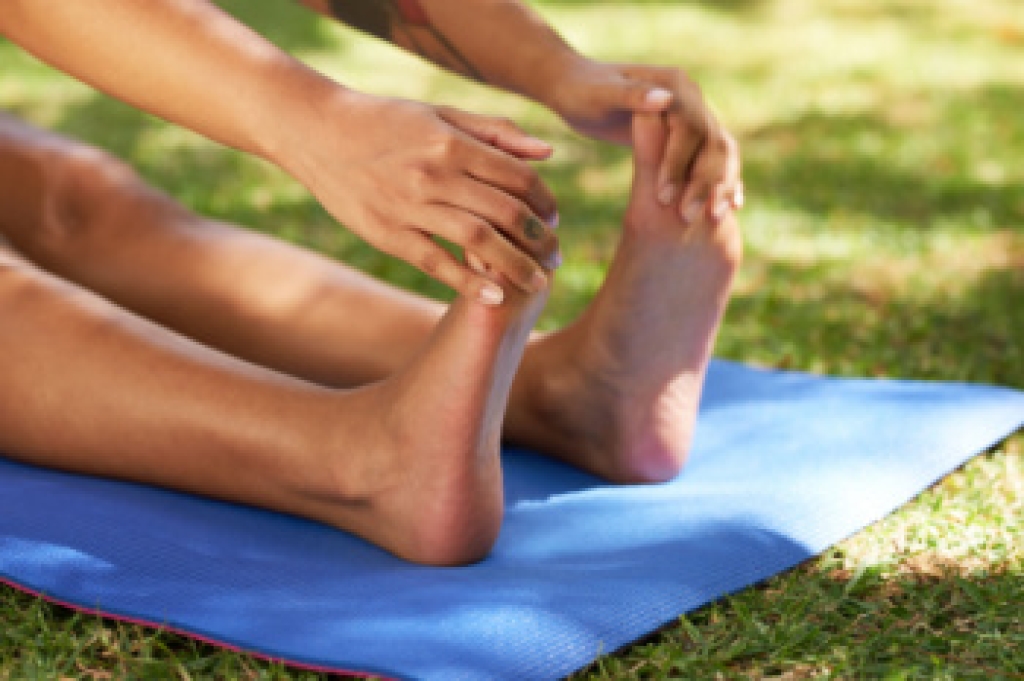
Foot arthritis can cause pain, stiffness, and reduced mobility, making daily activities more challenging. It often develops from wear and tear on the joints, inflammation, or conditions such as rheumatoid arthritis. Regular foot exercises can help improve flexibility, reduce discomfort, and strengthen the surrounding muscles. The plantar fascia stretch involves gently pulling the toes back to stretch the bottom of the foot, easing tension and improving movement. A calf stretch helps loosen the Achilles tendon and reduce strain on the heel. Rolling a golf ball under the foot massages the plantar fascia, promoting circulation and relieving tightness. Additionally, marble pick-ups strengthen the toes by encouraging small movements that improve coordination and flexibility. If you have arthritis that is affecting your feet, it is suggested that you consult a podiatrist who can help you find relief, and also recommend additional foot stretches.

Arthritis can be a difficult condition to live with. If you are seeking treatment, contact Charles Oehrlein, DPM from Hoover Foot Care. Our practitioner can provide the care you need to keep you pain-free and on your feet.

Arthritic Foot Care  

Arthritis is a joint disorder that involves the inflammation of different joints in your body, such as those in your feet. Arthritis is often caused by a degenerative joint disease and causes mild to severe pain in all affected areas. In addition to this, swelling and stiffness in the affected joints can also be a common symptom of arthritis.

In many cases, wearing ill-fitting shoes can worsen the effects and pain of arthritis. Wearing shoes that have a lower heel and extra room can help your feet feel more comfortable. In cases of rheumatoid arthritis, the arch in your foot may become problematic. Buying shoes with proper arch support that contour to your feet can help immensely.

Alleviating Arthritic Pain

  • Exercises that stretch the foot can prevent further pain and injury and increase mobility
  • Most of the pain can be alleviated with anti-inflammatory drugs, heat, and topical medications
  • Massages can help temporarily alleviate pain.

It is best to see your doctor for the treatment that is right for your needs and symptoms. Conditions vary, and a podiatrist can help you determine the right method of care for your feet.

If you have any questions please feel free to contact our office located in Hoover, Oneonta, and Munford, AL . We offer the newest diagnostic tools and technology to treat your foot and ankle needs.

Read more about Arthritic Foot Care

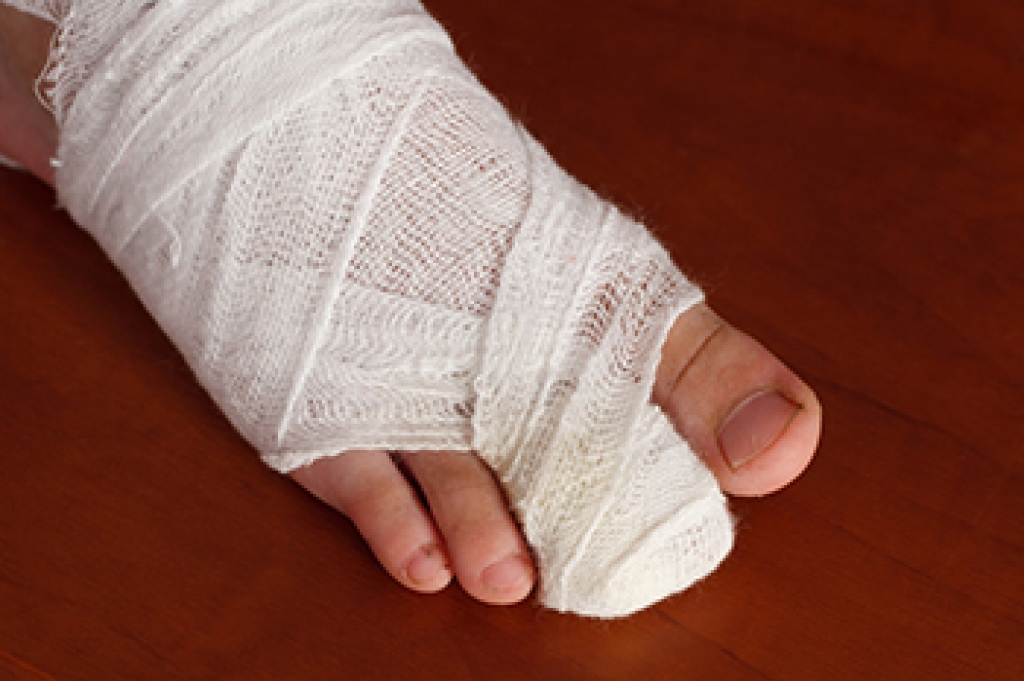
How Are Foot Wounds Treated?

A podiatrist plays a vital role in treating foot wounds by addressing both the injury and underlying causes that may delay healing. Foot wounds can result from trauma, poor circulation, diabetes, or pressure from wearing improper footwear. A podiatrist begins treatment by thoroughly cleaning the wound to reduce infection risk. They may remove damaged tissue to promote healing and apply specialized dressings or topical medications. Offloading techniques, such as custom orthotics or special footwear, help reduce pressure on the affected area. If infection is present, antibiotics may be prescribed. For chronic or slow-healing wounds, advanced treatments like skin grafts or wound therapy may be used. If you have a foot wound, it is suggested that you schedule an appointment with a podiatrist who can offer appropriate treatment methods.

Wound care is an important part in dealing with diabetes. If you have diabetes and a foot wound or would like more information about wound care for diabetics, consult with Charles Oehrlein, DPM from Hoover Foot Care. Our practitioner will assess your condition and provide you with quality foot and ankle treatment.

What Is Wound Care?

Wound care is the practice of taking proper care of a wound. This can range from the smallest to the largest of wounds. While everyone can benefit from proper wound care, it is much more important for diabetics. Diabetics often suffer from poor blood circulation which causes wounds to heal much slower than they would in a non-diabetic. 

What Is the Importance of Wound Care?

While it may not seem apparent with small ulcers on the foot, for diabetics, any size ulcer can become infected. Diabetics often also suffer from neuropathy, or nerve loss. This means they might not even feel when they have an ulcer on their foot. If the wound becomes severely infected, amputation may be necessary. Therefore, it is of the upmost importance to properly care for any and all foot wounds.

How to Care for Wounds

The best way to care for foot wounds is to prevent them. For diabetics, this means daily inspections of the feet for any signs of abnormalities or ulcers. It is also recommended to see a podiatrist several times a year for a foot inspection. If you do have an ulcer, run the wound under water to clear dirt from the wound; then apply antibiotic ointment to the wound and cover with a bandage. Bandages should be changed daily and keeping pressure off the wound is smart. It is advised to see a podiatrist, who can keep an eye on it.

If you have any questions please contact our office located in Hoover, Oneonta, and Munford, AL . We offer the newest diagnostic and treatment technologies for all your foot and ankle needs.

Read more about Wound Care

Foot and Ankle Stretches to Prevent Running Injuries

Stretching the feet and ankles is essential for preventing running injuries and maintaining flexibility. One exercise involves picking up small objects like marbles or coins with the toes, strengthening the foot muscles and improving coordination. Single-leg balancing on a ball enhances stability by engaging the ankle and foot muscles, which reduces the risk of sprains. Plantar stretching helps loosen the plantar fascia, which can become tight from repetitive impact. This can be done by pulling the toes back gently or rolling the foot over a frozen water bottle to relieve tension. Incorporating these stretches into a regular routine helps improve strength, flexibility, and balance. If you have sustained a foot or ankle injury while running, it is suggested that you consult a podiatrist who can treat various foot conditions, and guide you on additional running injury prevention tips.

All runners should take extra precaution when trying to avoid injury. If you have any concerns about your feet, contact Charles Oehrlein, DPM of Hoover Foot Care. Our practitioner will treat your foot and ankle needs.

How to Prevent Running Injuries

There are a lot of mistakes a runner can make prior to a workout that can induce injury. A lot of athletes tend to overstretch before running, instead of saving those workouts for a post-run routine. Deep lunges and hand-to-toe hamstring pulls should be performed after a workout instead of during a warmup. Another common mistake is jumping into an intense routine before your body is physically prepared for it. You should try to ease your way into long-distance running instead of forcing yourself to rush into it.

More Tips for Preventing Injury

  • Incorporate Strength Training into Workouts - This will help improve the body’s overall athleticism
  • Improve and Maintain Your Flexibility – Stretching everyday will help improve overall performance
  • “Warm Up” Before Running and “Cool Down” Afterward – A warm up of 5-10 minutes helps get rid of lactic acid in the muscles and prevents delayed muscle soreness
  • Cross-Training is Crucial
  • Wear Proper Running Shoes
  • Have a Formal Gait Analysis – Poor biomechanics can easily cause injury

If you have any questions, please feel free to contact our office located in Hoover, Oneonta, and Munford, AL . We offer the newest diagnostic and treatment technologies for all your foot care needs.
Read more about Preventing Running Injuries

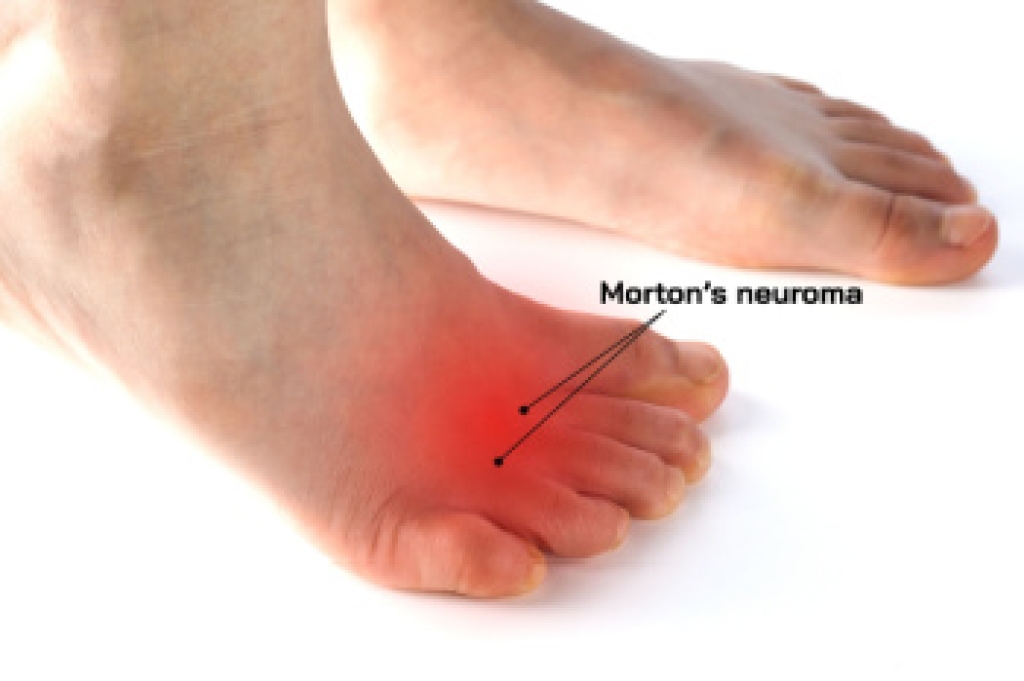
Symptoms and Risks for Ball of Foot Pain

Ball of the foot pain, medically known as metatarsalgia, often develops gradually and affects the area between the arch and toes, particularly around the metatarsal bones. Common symptoms of ball of the foot pain include a sharp, burning pain or the sensation of stepping on small stones. Some patients also experience numbness or tingling in the toes. Symptoms typically intensify with prolonged standing, walking, running, or when participating in high-impact sports like jumping. Wearing ill-fitting footwear, especially shoes that are too tight, too loose, or lack proper cushioning, can significantly contribute to discomfort. High heels frequently shift extra weight onto the front of the foot, further aggravating symptoms. Additionally, foot abnormalities such as high arches, longer second toes, bunions, or hammertoes increase susceptibility. For persistent discomfort, a podiatrist can assess your condition, perform diagnostic tests like X-rays or MRI scans, and provide customized treatment options, potentially including orthotics or surgery. If you experience ongoing pain in the ball of your foot, it is suggested that you schedule an appointment with a podiatrist for an exam, diagnosis, and treatment.

Foot Pain

Foot pain can be extremely painful and debilitating. If you have a foot pain, consult with Charles Oehrlein, DPM from Hoover Foot Care. Our practitioner will assess your condition and provide you with quality foot and ankle treatment.

Causes

Foot pain is a very broad condition that could be caused by one or more ailments. The most common include:

  • Bunions
  • Hammertoes
  • Plantar Fasciitis
  • Bone Spurs
  • Corns
  • Tarsal Tunnel Syndrome
  • Ingrown Toenails
  • Arthritis (such as Gout, Rheumatoid, and Osteoarthritis)
  • Flat Feet
  • Injury (from stress fractures, broken toe, foot, ankle, Achilles tendon ruptures, and sprains)
  • And more

Diagnosis

To figure out the cause of foot pain, podiatrists utilize several different methods. This can range from simple visual inspections and sensation tests to X-rays and MRI scans. Prior medical history, family medical history, and any recent physical traumatic events will all be taken into consideration for a proper diagnosis.

Treatment

Treatment depends upon the cause of the foot pain. Whether it is resting, staying off the foot, or having surgery; podiatrists have a number of treatment options available for foot pain.

If you have any questions, please feel free to contact our office located in Hoover, Oneonta, and Munford, AL . We offer the newest diagnostic and treatment technologies for all your foot care needs.

Read more about Foot Pain

Facts About Gout Attacks

Gout is a form of arthritis caused by the buildup of uric acid crystals in the joints, leading to sudden and intense pain. This condition commonly affects the big toe but can also involve other joints such as the ankles, knees, and wrists. Uric acid accumulates when the body produces too much of it or fails to eliminate it efficiently. Consuming foods high in purines, such as red meat and seafood, excessive alcohol intake, obesity, and certain medical conditions can contribute to the development of gout. Symptoms include severe joint pain, redness, swelling, and warmth in the affected area. Episodes often occur unexpectedly and may last for several days. If you have developed this painful condition, it is suggested that you are under the care of a podiatrist who can help you to manage gout.

Gout is a painful condition that can be treated. If you are seeking treatment, contact Charles Oehrlein, DPM from Hoover Foot Care. Our practitioner will treat your foot and ankle needs.

What Is Gout?

Gout is a form of arthritis that is characterized by sudden, severe attacks of pain, redness, and tenderness in the joints. The condition usually affects the joint at the base of the big toe. A gout attack can occur at any random time, such as the middle of the night while you are asleep.

Symptoms

  • Intense Joint Pain - Usually around the large joint of your big toe, and it most severe within the first four to twelve hours
  • Lingering Discomfort - Joint discomfort may last from a few days to a few weeks
  • Inflammation and Redness -Affected joints may become swollen, tender, warm and red
  • Limited Range of Motion - May experience a decrease in joint mobility

Risk Factors

  • Genetics - If family members have gout, you’re more likely to have it
  • Medications - Diuretic medications can raise uric acid levels
  • Gender/Age - Gout is more common in men until the age of 60. It is believed that estrogen protects women until that point
  • Diet - Eating red meat and shellfish increases your risk
  • Alcohol - Having more than two alcoholic drinks per day increases your risk
  • Obesity - Obese people are at a higher risk for gout

Prior to visiting your podiatrist to receive treatment for gout, there are a few things you should do beforehand. If you have gout you should write down your symptoms--including when they started and how often you experience them, important medical information you may have, and any questions you may have. Writing down these three things will help your podiatrist in assessing your specific situation so that he or she may provide the best route of treatment for you.

If you have any questions, please feel free to contact our office located in Hoover, Oneonta, and Munford, AL . We offer the newest diagnostic and treatment technologies for all your foot care needs.
Read more about Gout

It's Time for Beautiful Feet

You don't need an excuse to have beautiful nails. Step outside without worrying about the appearance of your feet.

Connect With Us

scroll to top