Standing During Work and Edema

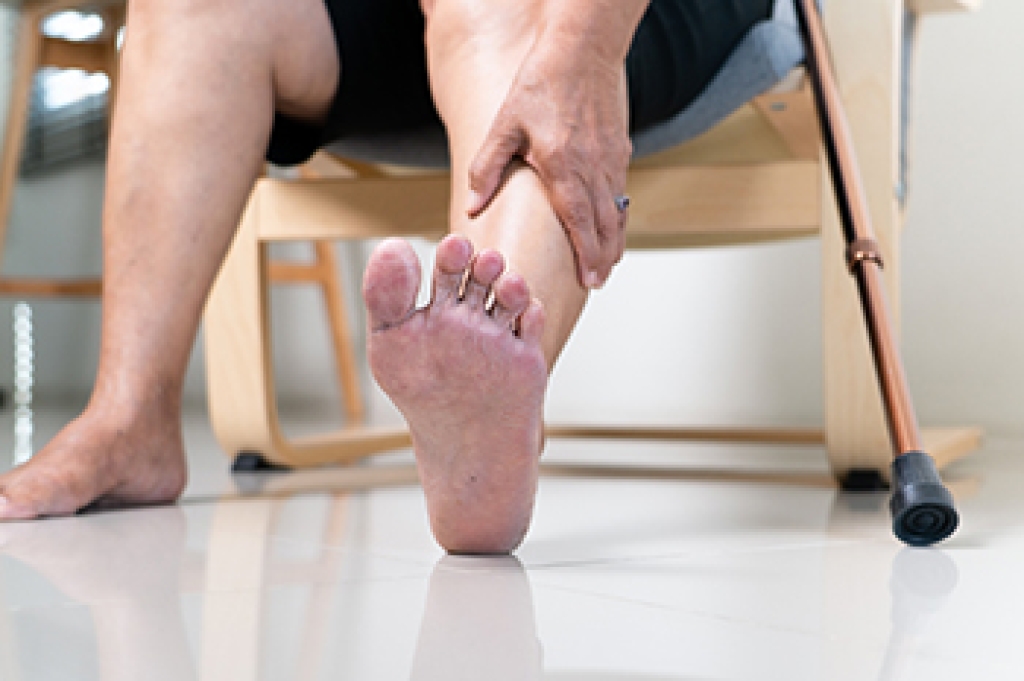
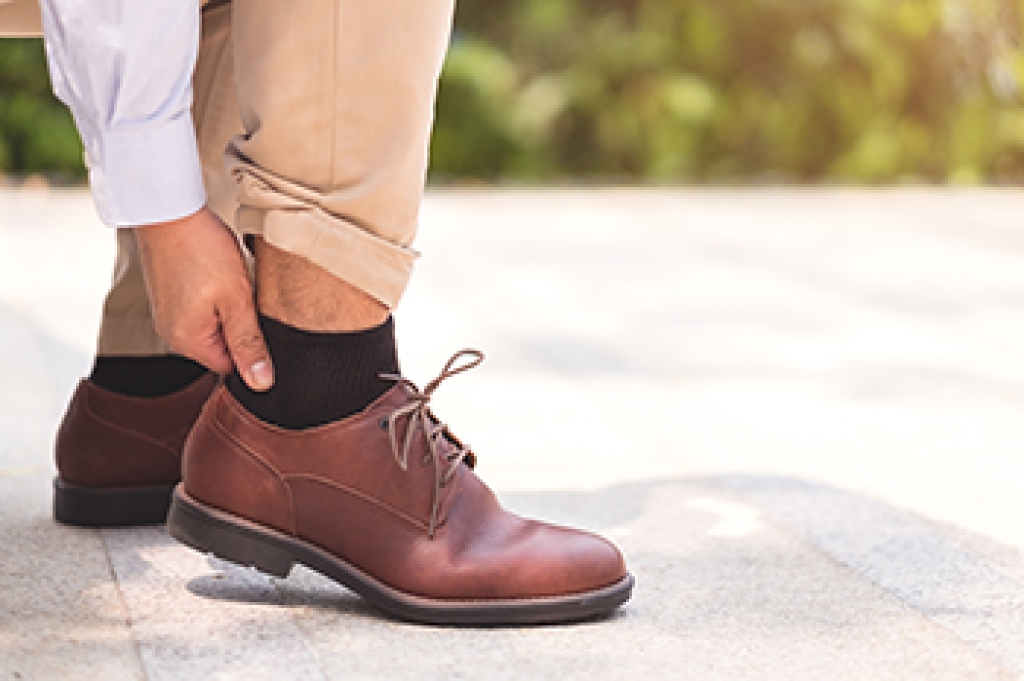
Edema, characterized by swelling in the legs, ankles, and feet, can be influenced by various factors, including extended periods of standing while working. This condition also often occurs after standing for a prolonged time, as well as during long plane flights or car rides. The act of standing for extended durations can lead to several health concerns. It may contribute to muscle fatigue in the legs and feet, leading to discomfort. Poor posture while standing can result in back pain and musculoskeletal issues. Moreover, it can strain the cardiovascular system, potentially causing conditions like edema. While standing is associated with increased physical activity and alertness, it is essential to strike a balance. Incorporating breaks to sit, stretch, and walk can alleviate the negative effects. Ergonomic adjustments to your workstation, supportive footwear, and exercises targeting leg and core muscles can help mitigate the challenges of prolonged standing. It is important to monitor persistent swelling in the ankles and feet, especially if accompanied by other concerning symptoms, as it can sometimes indicate underlying health problems. If you have continued edema, it is strongly suggested that you schedule an appointment with a podiatrist for an examination and care.

While working on the feet, it is important to take the proper care of them. For more information about working on your feet, contact Charles Oehrlein, DPM from Hoover Foot Care. Our practitioner will treat your foot and ankle needs.

Working on Your Feet

Standing on your feet for long periods of time can cause stress and pain in your feet. Your whole body may experience change in terms of posture, back pain, bunions, callouses and or plantar warts. There are ways to avoid these conditions with proper foot care, smart choices and correct posture.

Positive Changes

Negative heeled shoe – Choosing this shoe type places the heel slightly lower than the ball of the foot. These are great for overall foot health. Find shoes that fit you correctly.

Go barefoot – Our feet were not designed to be enclosed for all hours of the day. Try to periodically expose your feet to air.

Eliminate Pain

Foot Exercises – Performing simple exercises, incorporating yoga and doing stretches are beneficial. This will allow increased blood flow to the area and muscles of the foot.

Achilles tendon – Stretching the foot out flat on the floor will relax the calf muscles and tendon. These exercises can be performed almost anywhere. Make sure you add these exercises to your daily regimen. 

With a little bit of this information and knowing more about foot health, you will notice changes. Foot stretches and proper footwear will help with pain and prevent further issues.

If you have any questions please contact our office located in Hoover, Oneonta, and Munford, AL . We offer the newest diagnostic and treatment technologies for all your foot and ankle needs.


Read more about How to Handle a Long Work Day on Your Feet

Understanding the Definition and Causes of a Bunion

A bunion, a common foot deformity, is characterized by the gradual misalignment of the big toe joint, causing a bony protrusion on the side of the foot. This condition develops when the big toe consistently pushes against the next toe, gradually altering the joint's structure. Wearing ill-fitting footwear, particularly tight shoes or high heels, is a primary culprit, as they force the toes into unnatural positions. Genetic factors also play a role, with some individuals inheriting a predisposition to bunions. Foot mechanics, such as overpronation or flat feet, contribute to the misalignment, increasing the risk. Arthritis, particularly inflammatory types, may exacerbate bunion formation. Additionally, trauma or injury to the foot can accelerate the development of bunions. Recognizing the multifaceted causes of bunions is important for preventive measures. If you have developed a bunion, it is suggested that you schedule an appointment with a podiatrist who can offer you effective relief techniques.

If you are suffering from bunion pain, contact Charles Oehrlein, DPM of Hoover Foot Care. Our practitioner can provide the care you need to keep you pain-free and on your feet.

What Is a Bunion?

Bunions are painful bony bumps that usually develop on the inside of the foot at the joint of the big toe. As the deformity increases over time, it may become painful to walk and wear shoes. Women are more likely to exacerbate existing bunions since they often wear tight, narrow shoes that shift their toes together. Bunion pain can be relieved by wearing wider shoes with enough room for the toes.

Causes

  • Genetics – some people inherit feet that are more prone to bunion development
  • Inflammatory Conditions - rheumatoid arthritis and polio may cause bunion development

Symptoms

  • Redness and inflammation
  • Pain and tenderness
  • Callus or corns on the bump
  • Restricted motion in the big toe

In order to diagnose your bunion, your podiatrist may ask about your medical history, symptoms, and general health. Your doctor might also order an x-ray to take a closer look at your feet. Nonsurgical treatment options include orthotics, padding, icing, changes in footwear, and medication. If nonsurgical treatments don’t alleviate your bunion pain, surgery may be necessary.

If you have any questions, please feel free to contact our office located in Hoover, Oneonta, and Munford, AL . We offer the newest diagnostic and treatment technologies for all your foot care needs.

Read more about Bunions

Are You Suffering From Nerve Damage?

Neuropathy is a condition that can lead to numbness or loss of sensation in the feet, but it can also cause pain. This condition is more likely to develop for those who are diabetic, obese, or with high blood pressure.

Foot Pain Can Indicate Health Concerns in Seniors

If you are over the age of 50, you are likely familiar with foot pain. Studies indicate that 20 percent of older adults regularly experience foot pain, often attributed to factors like excess weight or poorly fitting footwear. However, foot pain also can be a sign of more significant health concerns that affect balance and foot function, and increase the risk of falls. Persistent foot pain may signal underlying health issues, such as stress fractures, plantar fasciitis, neuropathy, and gout. Stress fractures, common in older adults due to thinning bone tissue, may require rest, special shoe inserts, or braces. Plantar fasciitis, involving inflammation of the ligament connecting the heel to the front of the foot, should be examined if it persists. Neuropathy, common in individuals with diabetes, causes tingling, burning, and foot numbness. Prompt investigation is essential, as neuropathy can stem from various causes, including alcohol overuse or infections like Lyme disease and cancer. Gout, a form of inflammatory arthritis, is often misdiagnosed and overlooked. It typically begins in the big toe, causing severe pain, especially at night. Diagnosis involves blood work to check uric acid levels, fluid sample analysis for urate crystals, and ultrasound. If you are feeling foot pain on a continued basis, it is suggested that you schedule an appointment with a podiatrist for a complete examination and proper diagnosis. Treatment options will follow. 

Proper foot care is something many older adults forget to consider. If you have any concerns about your feet and ankles, contact Charles Oehrlein, DPM from Hoover Foot Care. Our practitioner can provide the care you need to keep you pain-free and on your feet.

The Elderly and Their Feet

As we age we start to notice many changes in our body, but the elder population may not notice them right away. Medical conditions may prevent the elderly to take notice of their foot health right away. Poor vision is a lead contributor to not taking action for the elderly.

Common Conditions 

  • Neuropathy – can reduce feeling in the feet and can hide many life-threatening medical conditions.
  • Reduced flexibility – prevents the ability of proper toenail trimming, and foot cleaning. If left untreated, it may lead to further medical issues.
  • Foot sores – amongst the older population can be serious before they are discovered. Some of the problematic conditions they may face are:
  • Gouging toenails affecting nearby toe
  • Shoes that don’t fit properly
  • Pressure sores
  • Loss of circulation in legs & feet
  • Edema & swelling of feet and ankles

Susceptible Infections

Diabetes and poor circulation can cause general loss of sensitivity over the years, turning a simple cut into a serious issue.

If you have any questions, please feel free to contact our office located in Hoover, Oneonta, and Munford, AL . We offer the newest diagnostic and treatment technologies for all your foot care needs.

Read more about Elderly and their Feet

Causes and Signs of Ingrown Toenails

Ingrown toenails, a discomfort that can disrupt the rhythm of your daily life, often stem from a combination of factors. The primary cause lies in the toenail's edge growing into the surrounding skin, triggering inflammation and pain. Improper toenail trimming, wearing tight shoes, or sustaining injuries to the toe can contribute to this unwelcome development. Recognizing the signs of an ingrown toenail is vital for timely intervention. Persistent pain, redness, and swelling around the toenail, coupled with potential drainage of pus, signify the onset. If left untreated, ingrown toenails can escalate into infections, posing greater challenges. Understanding the causes and recognizing early signs empowers individuals to address ingrown toenails promptly, restoring comfort and preserving the health of their feet. Ingrown toenails can be a serious foot condition. If you have symptoms of this ailment, it is suggested that you schedule an appointment with a podiatrist as quickly as possible who can offer you correct treatment options.

Ingrown toenails may initially present themselves as a minor discomfort, but they may progress into an infection in the skin without proper treatment. For more information about ingrown toenails, contact Charles Oehrlein, DPM of Hoover Foot Care. Our practitioner can provide the care you need to keep you pain-free and on your feet.

Ingrown Toenails

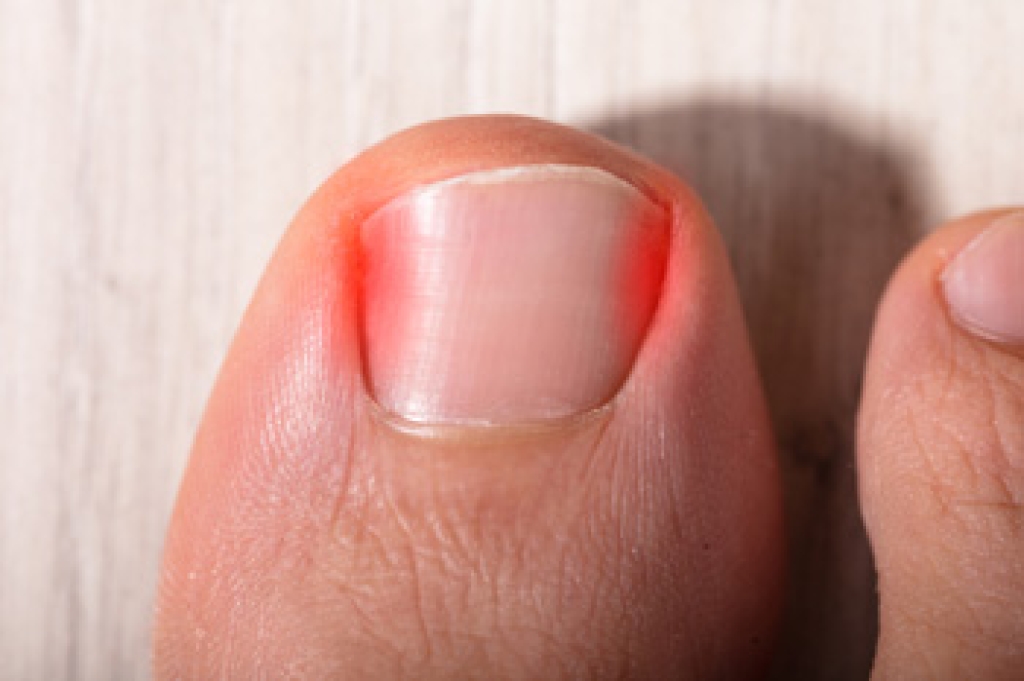
Ingrown toenails are caused when the corner or side of a toenail grows into the soft flesh surrounding it. They often result in redness, swelling, pain, and in some cases, infection. This condition typically affects the big toe and may recur if it is not treated properly.

Causes

  • Improper toenail trimming
  • Genetics
  • Improper shoe fitting
  • Injury from pedicures or nail picking
  • Abnormal gait
  • Poor hygiene

You are more likely to develop an ingrown toenail if you are obese, have diabetes, arthritis, or have any fungal infection in your nails. Additionally, people who have foot or toe deformities are at a higher risk of developing an ingrown toenail.

Symptoms

Some symptoms of ingrown toenails are redness, swelling, and pain. In rare cases, there may be a yellowish drainage coming from the nail.

Treatment

Ignoring an ingrown toenail can have serious complications. Infections of the nail border can progress to a deeper soft-tissue infection, which can then turn into a bone infection. You should always speak with your podiatrist if you suspect you have an ingrown toenail, especially if you have diabetes or poor circulation.

If you have any questions, please feel free to contact our office located in Hoover, Oneonta, and Munford, AL . We offer the newest diagnostic and treatment technologies for all your foot care needs.

Read more about Ingrown Toenail Care

Connect With Us

scroll to top