Occupational Hazards of Plantar Fasciitis

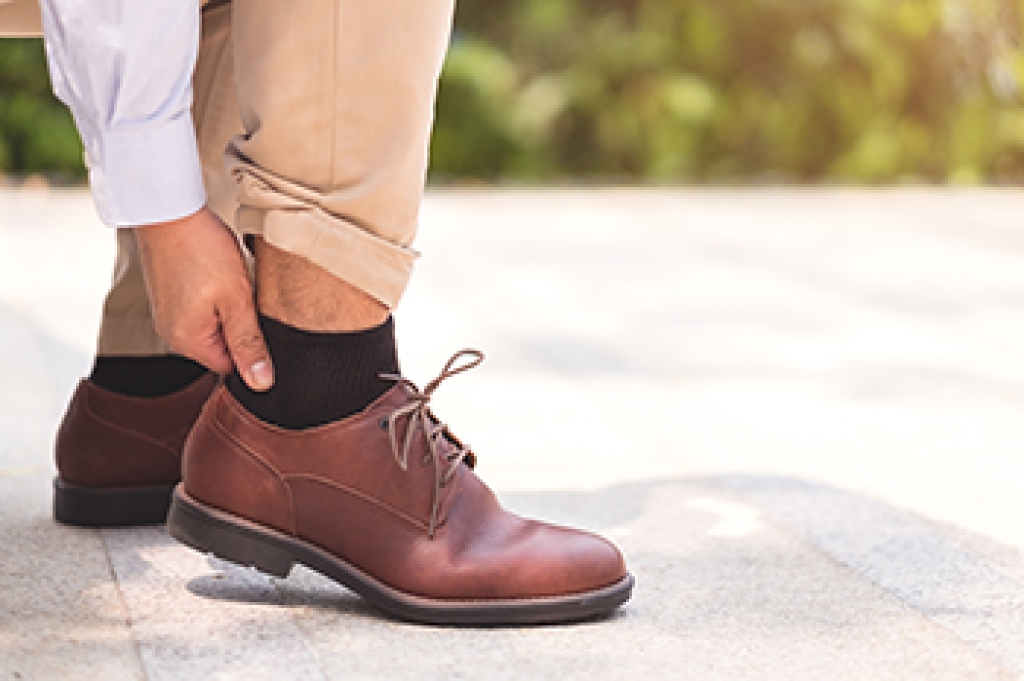
Plantar fasciitis is prevalent in manufacturing environments, with several factors influencing its occurrence. These can include forefoot pronation during physical examination, high metatarsal pressure in gait assessments, and prolonged standing on hard surfaces. The rotation of footwear during the workweek appears to reduce the likelihood of developing plantar fasciitis. Using shoe orthoses with medial longitudinal arch and metatarsal pads can serve as a preventive or treatment approach. Implementing workstations that reduce the time spent walking or standing on hard surfaces, such as offering cushioning mats or alternating sitting and standing postures, may help lower the risk of plantar fasciitis. If you work in manufacturing and have developed heel pain, it is suggested that you schedule an appointment with a podiatrist for a proper diagnosis, treatment, and additional preventative advice.

Plantar fasciitis is a common foot condition that is often caused by a strain injury. If you are experiencing heel pain or symptoms of plantar fasciitis, contact Charles Oehrlein, DPM from Hoover Foot Care. Our practitioner can provide the care you need to keep you pain-free and on your feet.

What Is Plantar Fasciitis?

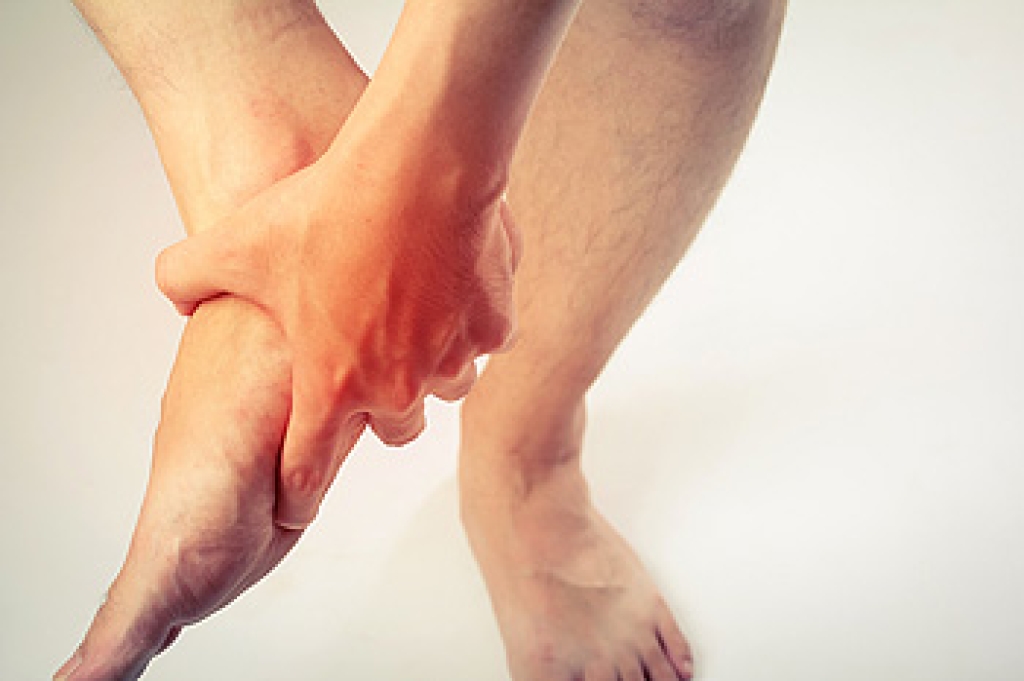
Plantar fasciitis is one of the most common causes of heel pain. The plantar fascia is a ligament that connects your heel to the front of your foot. When this ligament becomes inflamed, plantar fasciitis is the result. If you have plantar fasciitis you will have a stabbing pain that usually occurs with your first steps in the morning. As the day progresses and you walk around more, this pain will start to disappear, but it will return after long periods of standing or sitting.

What Causes Plantar Fasciitis?

  • Excessive running
  • Having high arches in your feet
  • Other foot issues such as flat feet
  • Pregnancy (due to the sudden weight gain)
  • Being on your feet very often

There are some risk factors that may make you more likely to develop plantar fasciitis compared to others. The condition most commonly affects adults between the ages of 40 and 60. It also tends to affect people who are obese because the extra pounds result in extra stress being placed on the plantar fascia.

Prevention

  • Take good care of your feet – Wear shoes that have good arch support and heel cushioning.
  • Maintain a healthy weight
  • If you are a runner, alternate running with other sports that won’t cause heel pain

There are a variety of treatment options available for plantar fasciitis along with the pain that accompanies it. Additionally, physical therapy is a very important component in the treatment process. It is important that you meet with your podiatrist to determine which treatment option is best for you.

If you have any questions, please feel free to contact our office located in Hoover, Oneonta, and Munford, AL . We offer the newest diagnostic and treatment technologies for all your foot care needs.
 

Read more about Plantar Fasciitis

Foot Stretches for Graceful Toe Point

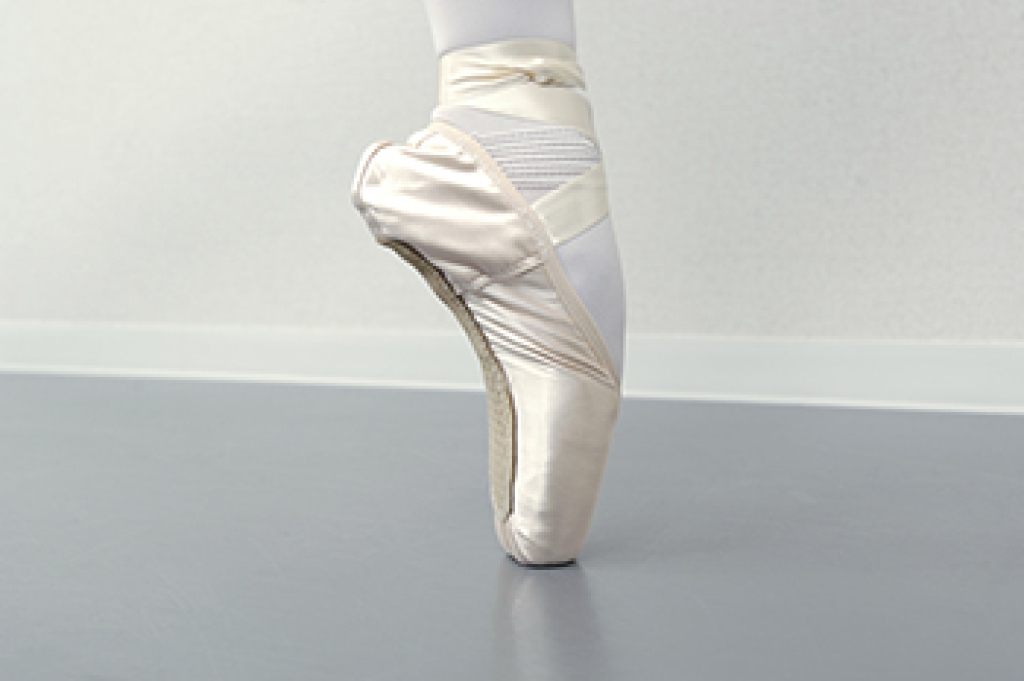
Achieving a beautifully pointed toe is a hallmark of grace in ballet, and dedicated foot stretches can significantly contribute to this desired aesthetic. Begin by sitting with your legs extended and gently flex and point your toes, emphasizing the extension of each digit. A towel stretch proves effective, which is done by looping a towel around the ball of your foot and gently pulling it towards you, feeling the stretch along the arch and toes. Rolling a tennis ball beneath the arches and toes massages and improves flexibility. Additionally, the seated toe stretch involves sitting back on your heels, elongating the toes, and fostering a deep stretch. Practicing these stretches regularly enhances the flexibility and strength of the foot's intrinsic muscles, contributing to a more refined toe point. Incorporating these targeted stretches into your ballet warm-up or cool-down routine can cultivate the suppleness necessary for achieving that coveted, elegant toe point on stage. If you would like additional information about effective foot and toe stretches, it is suggested that you confer with a podiatrist.

Stretching the feet is a great way to prevent injuries. If you have any concerns with your feet consult with Charles Oehrlein, DPM from Hoover Foot Care. Our practitioner will assess your condition and provide you with quality foot and ankle treatment.

Stretching the Feet

Stretching the muscles in the foot is an important part in any physical activity. Feet that are tight can lead to less flexibility and make you more prone to injury. One of the most common forms of foot pain, plantar fasciitis, can be stretched out to help ease the pain. Stretching can not only ease pain from plantar fasciitis but also prevent it as well. However, it is important to see a podiatrist first if stretching is right for you. Podiatrists can also recommend other ways to stretch your feet. Once you know whether stretching is right for you, here are some excellent stretches you can do.

  • Using a foam roller or any cylindrical object (a water bottle or soda can will do), roll the object under your foot back and forth. You should also exert pressure on the object. Be sure to do this to both feet for a minute. Do this exercise three times each.
  • Similar to the previous one, take a ball, such as a tennis ball, and roll it under your foot while seated and exert pressure on it.
  • Grab a resistance band or towel and take a seat. If you are using a towel, fold it length wise. Next put either one between the ball of your foot and heel and pull with both hands on each side towards you. Hold this for 15 seconds and then switch feet. Do this three times for each foot.
  • Finally hold your big toe while crossing one leg over the other. Pull the toe towards you and hold for 15 seconds. Once again do this three times per foot.

It is best to go easy when first stretching your foot and work your way up. If your foot starts hurting, stop exercising and ice and rest the foot. It is advised to then see a podiatrist for help.

If you have any questions please contact our office located in Hoover, Oneonta, and Munford, AL . We offer the newest diagnostic and treatment technologies for all your foot and ankle needs.

Read more about How to Stretch Your Feet

Get Professional Care for a Broken Foot or Ankle

Constant care and regular evaluation are important for a foot or ankle fracture. If left untreated, foot or ankle fractures can worsen over time and create more serious problems.

Don't wait to be examined if you believe you've experienced a foot or ankle fracture.

A Comprehensive Overview of Athlete’s Foot

Athlete's foot, a common fungal infection, unfolds as an uncomfortable and often itchy condition affecting the feet. This ailment thrives in warm and damp environments, making sweaty socks and tight shoes an ideal breeding ground for the fungus trichophyton. The infection typically begins between the toes, presenting as redness, itching, and a burning sensation. As it progresses, athlete's foot can lead to the development of blisters and the peeling of the skin. Beyond the discomfort, this contagious infection can spread to other parts of the body or to others through contact. Prevention involves keeping feet dry, wearing breathable footwear, and practicing good hygiene. If you have any of the above symptoms, it is suggested that you schedule an appointment with a podiatrist who can accurately diagnose this condition and prescribe medication, if warranted.

Athlete’s foot is an inconvenient condition that can be easily reduced with the proper treatment. If you have any concerns about your feet and ankles, contact Charles Oehrlein, DPM from Hoover Foot Care.  Our practitioner will treat your foot and ankle needs.

Athlete’s Foot: The Sole Story

Athlete's foot, also known as tinea pedis, can be an extremely contagious foot infection. It is commonly contracted in public changing areas and bathrooms, dormitory style living quarters, around locker rooms and public swimming pools, or anywhere your feet often come into contact with other people.

Solutions to Combat Athlete’s Foot

  • Hydrate your feet by using lotion
  • Exfoliate
  • Buff off nails
  • Use of anti-fungal products
  • Examine your feet and visit your doctor if any suspicious blisters or cuts develop

Athlete’s foot can cause many irritating symptoms such as dry and flaking skin, itching, and redness. Some more severe symptoms can include bleeding and cracked skin, intense itching and burning, and even pain when walking. In the worst cases, Athlete’s foot can cause blistering as well. Speak to your podiatrist for a better understanding of the different causes of Athlete’s foot, as well as help in determining which treatment options are best for you.

If you have any questions please feel free to contact our office located in Hoover, Oneonta, and Munford, AL . We offer the newest diagnostic and treatment technologies for all your foot and ankle needs.

Read more about Athlete's Foot

Ankle and Heel Injuries From Running

Runners, whether seasoned athletes or casual enthusiasts, face potential risks of three main types of foot and ankle injuries. Among these common ailments are Achilles tendonitis, heel bursitis and sprained ankles. Achilles tendonitis often results from overtraining or tight calf muscles. The Achilles tendon, which connects the calf muscles to the heel bone, can become inflamed, which limits the ankle's range of motion. Heel, or retrocalcaneal bursitis, is often mistaken for Achilles tendonitis because it also causes pain, tenderness, and swelling at the back of the heel. In fact, it is the result of inflammation of the fluid-filled sac between the heel bone and the Achilles tendon, and can result from excessive walking, jumping, or running, especially uphill. Runners must also be cautious of traumatic incidents like ankle sprains. Unlike overuse injuries, ankle sprains occur suddenly and involve the stretching or tearing of ligaments connecting ankle bones. The immediate pain and swelling, coupled with difficulty bearing weight on the affected foot, distinguish an ankle sprain from other injuries. If symptoms from any of these injuries persist or worsen, it is suggested that you schedule an appointment with a podiatrist for an accurate diagnosis and effective treatment plan.

Exercising your feet regularly with the proper foot wear is a great way to prevent injuries. If you have any concerns about your feet, contact Charles Oehrlein, DPM of Hoover Foot Care. Our practitioner will treat your foot and ankle needs.

How to Prevent Running Injuries

Many common running injuries are caused by overuse and overtraining. When the back of the kneecap starts wearing out and starts causing pain in your knee, this is commonly referred to as runner’s knee. Runner’s knee is a decrease in strength in your quadriceps and can occur if you’re not wearing properly fitted or supporting shoes. To prevent runner’s knee, focusing on hip strengthening is a good idea, as well as strengthening your quads to keep the kneecaps aligned.

What Are Some Causes of Running Injuries? 
- One cause of a common running injury is called iliotibial band syndrome.
- Plantar fasciitis is also another common injury.
- Stress fractures can occur from overtraining, lack of calcium, or even your running style.

Best Ways to Prevent Running Injuries
- Wear footwear that fits properly and suits your running needs.
- Running shoes are the only protective gear that runners have to safeguard them from injury.
- Make a training schedule. Adding strengthening exercises as well as regular stretching can help keep you strong and limber and can lessen the possibility of injuries.
- Stretching keeps muscles limber; this will help you gain better flexibility.

If you have any questions, please feel free to contact our office located in Hoover, Oneonta, and Munford, AL . We offer the newest diagnostic and treatment technologies for all your foot care needs.
Read more about How to Prevent Running Injuries

Causes of Peroneal Tendonitis

Peroneal tendonitis, a source of pain surrounding the ankle, often targets individuals engaged in rigorous physical activities, particularly runners and athletes who intensify their training routines. This condition typically evolves gradually, progressing from mild discomfort to persistent pain around the ankle. The primary culprit behind peroneal tendonitis is overuse. Sudden spikes in training intensity, coupled with inappropriate footwear or flawed training techniques, frequently trigger this ailment. Sports that demand quick pivoting movements, such as basketball, football, and gymnastics, are particularly associated with the development of tears in the peroneal tendons. Runners who frequently traverse sloped or uneven surfaces, causing the foot to excessively roll out into eversion, face an elevated risk of peroneal tendonitis. Anyone with a history of ankle injuries or recurrent sprains may be more susceptible to peroneal tendon problems. The continuous damage to the ligaments supporting the foot and ankle results in weakened stability, placing increased strain on the peroneal tendons. An abnormal foot position, where the heel is turned slightly inward or if the arch is too high, heightens the risk of peroneal tendonitis. These conditions force the peroneal muscles and tendons to work harder, which contributes to their overuse and potential inflammation. Tight calf muscles combined with weakness in the calf and peroneal muscles may be factors leading to tendonitis. If you are experiencing ankle pain that may be a sign of peroneal tendonitis, it is suggested that you schedule an appointment with a podiatrist for a full exam and diagnosis.

Ankle pain can have many different causes and the pain may potentially be serious. If you have ankle pain, consult with Charles Oehrlein, DPM from Hoover Foot Care. Our practitioner will assess your condition and provide you with quality foot and ankle treatment.

Ankle pain is any condition that causes pain in the ankle. Due to the fact that the ankle consists of tendons, muscles, bones, and ligaments, ankle pain can come from a number of different conditions.

Causes

The most common causes of ankle pain include:

  • Types of arthritis (rheumatoid, osteoarthritis, and gout)
  • Ankle sprains
  • Broken ankles
  • Achilles tendinitis
  • Achilles tendon rupture
  • Stress fractures
  • Tarsal tunnel syndrome
  • Plantar fasciitis

Symptoms

Symptoms of ankle injury vary based upon the condition. Pain may include general pain and discomfort, swelling, aching, redness, bruising, burning or stabbing sensations, and/or loss of sensation.

Diagnosis

Due to the wide variety of potential causes of ankle pain, podiatrists will utilize a number of different methods to properly diagnose ankle pain. This can include asking for personal and family medical histories and of any recent injuries. Further diagnosis may include sensation tests, a physical examination, and potentially x-rays or other imaging tests.

Treatment

Just as the range of causes varies widely, so do treatments. Some more common treatments are rest, ice packs, keeping pressure off the foot, orthotics and braces, medication for inflammation and pain, and surgery.

If you have any questions please feel free to contact our office located in Hoover, Oneonta, and Munford, AL . We offer the newest diagnostic tools and technology to treat your foot and ankle needs.

Read more about Ankle Pain

Standing During Work and Edema

Edema, characterized by swelling in the legs, ankles, and feet, can be influenced by various factors, including extended periods of standing while working. This condition also often occurs after standing for a prolonged time, as well as during long plane flights or car rides. The act of standing for extended durations can lead to several health concerns. It may contribute to muscle fatigue in the legs and feet, leading to discomfort. Poor posture while standing can result in back pain and musculoskeletal issues. Moreover, it can strain the cardiovascular system, potentially causing conditions like edema. While standing is associated with increased physical activity and alertness, it is essential to strike a balance. Incorporating breaks to sit, stretch, and walk can alleviate the negative effects. Ergonomic adjustments to your workstation, supportive footwear, and exercises targeting leg and core muscles can help mitigate the challenges of prolonged standing. It is important to monitor persistent swelling in the ankles and feet, especially if accompanied by other concerning symptoms, as it can sometimes indicate underlying health problems. If you have continued edema, it is strongly suggested that you schedule an appointment with a podiatrist for an examination and care.

While working on the feet, it is important to take the proper care of them. For more information about working on your feet, contact Charles Oehrlein, DPM from Hoover Foot Care. Our practitioner will treat your foot and ankle needs.

Working on Your Feet

Standing on your feet for long periods of time can cause stress and pain in your feet. Your whole body may experience change in terms of posture, back pain, bunions, callouses and or plantar warts. There are ways to avoid these conditions with proper foot care, smart choices and correct posture.

Positive Changes

Negative heeled shoe – Choosing this shoe type places the heel slightly lower than the ball of the foot. These are great for overall foot health. Find shoes that fit you correctly.

Go barefoot – Our feet were not designed to be enclosed for all hours of the day. Try to periodically expose your feet to air.

Eliminate Pain

Foot Exercises – Performing simple exercises, incorporating yoga and doing stretches are beneficial. This will allow increased blood flow to the area and muscles of the foot.

Achilles tendon – Stretching the foot out flat on the floor will relax the calf muscles and tendon. These exercises can be performed almost anywhere. Make sure you add these exercises to your daily regimen. 

With a little bit of this information and knowing more about foot health, you will notice changes. Foot stretches and proper footwear will help with pain and prevent further issues.

If you have any questions please contact our office located in Hoover, Oneonta, and Munford, AL . We offer the newest diagnostic and treatment technologies for all your foot and ankle needs.

Read more about How to Handle a Long Work Day on Your Feet

Understanding the Definition and Causes of a Bunion

A bunion, a common foot deformity, is characterized by the gradual misalignment of the big toe joint, causing a bony protrusion on the side of the foot. This condition develops when the big toe consistently pushes against the next toe, gradually altering the joint's structure. Wearing ill-fitting footwear, particularly tight shoes or high heels, is a primary culprit, as they force the toes into unnatural positions. Genetic factors also play a role, with some individuals inheriting a predisposition to bunions. Foot mechanics, such as overpronation or flat feet, contribute to the misalignment, increasing the risk. Arthritis, particularly inflammatory types, may exacerbate bunion formation. Additionally, trauma or injury to the foot can accelerate the development of bunions. Recognizing the multifaceted causes of bunions is important for preventive measures. If you have developed a bunion, it is suggested that you schedule an appointment with a podiatrist who can offer you effective relief techniques.

If you are suffering from bunion pain, contact Charles Oehrlein, DPM of Hoover Foot Care. Our practitioner can provide the care you need to keep you pain-free and on your feet.

What Is a Bunion?

Bunions are painful bony bumps that usually develop on the inside of the foot at the joint of the big toe. As the deformity increases over time, it may become painful to walk and wear shoes. Women are more likely to exacerbate existing bunions since they often wear tight, narrow shoes that shift their toes together. Bunion pain can be relieved by wearing wider shoes with enough room for the toes.

Causes

  • Genetics – some people inherit feet that are more prone to bunion development
  • Inflammatory Conditions - rheumatoid arthritis and polio may cause bunion development

Symptoms

  • Redness and inflammation
  • Pain and tenderness
  • Callus or corns on the bump
  • Restricted motion in the big toe

In order to diagnose your bunion, your podiatrist may ask about your medical history, symptoms, and general health. Your doctor might also order an x-ray to take a closer look at your feet. Nonsurgical treatment options include orthotics, padding, icing, changes in footwear, and medication. If nonsurgical treatments don’t alleviate your bunion pain, surgery may be necessary.

If you have any questions, please feel free to contact our office located in Hoover, Oneonta, and Munford, AL . We offer the newest diagnostic and treatment technologies for all your foot care needs.

Read more about Bunions

Are You Suffering From Nerve Damage?

Neuropathy is a condition that can lead to numbness or loss of sensation in the feet, but it can also cause pain. This condition is more likely to develop for those who are diabetic, obese, or with high blood pressure.

Foot Pain Can Indicate Health Concerns in Seniors

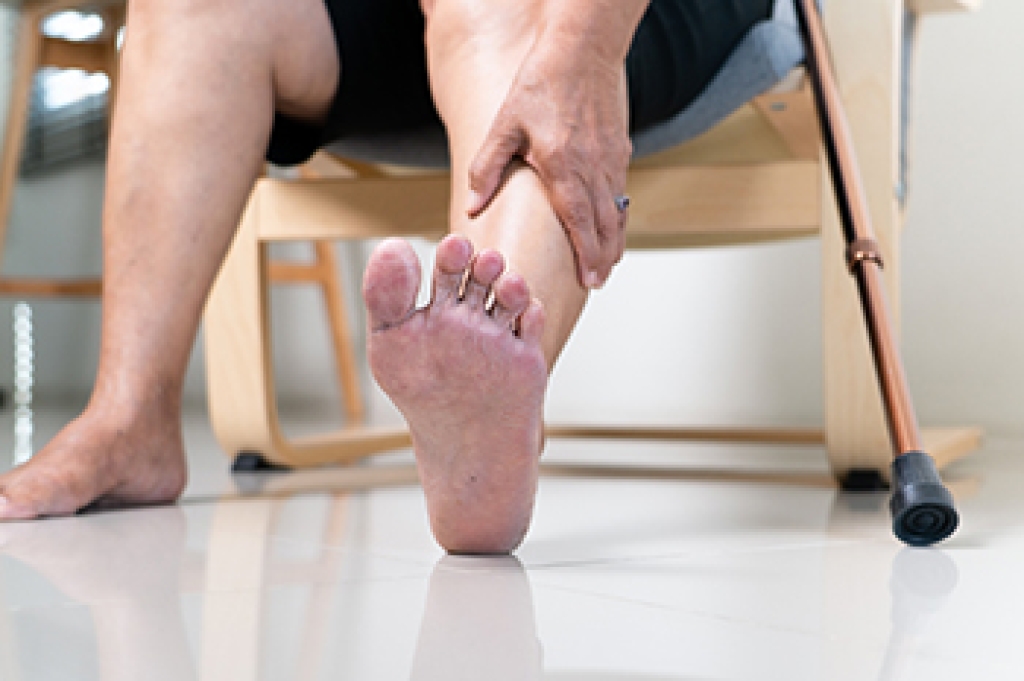
If you are over the age of 50, you are likely familiar with foot pain. Studies indicate that 20 percent of older adults regularly experience foot pain, often attributed to factors like excess weight or poorly fitting footwear. However, foot pain also can be a sign of more significant health concerns that affect balance and foot function, and increase the risk of falls. Persistent foot pain may signal underlying health issues, such as stress fractures, plantar fasciitis, neuropathy, and gout. Stress fractures, common in older adults due to thinning bone tissue, may require rest, special shoe inserts, or braces. Plantar fasciitis, involving inflammation of the ligament connecting the heel to the front of the foot, should be examined if it persists. Neuropathy, common in individuals with diabetes, causes tingling, burning, and foot numbness. Prompt investigation is essential, as neuropathy can stem from various causes, including alcohol overuse or infections like Lyme disease and cancer. Gout, a form of inflammatory arthritis, is often misdiagnosed and overlooked. It typically begins in the big toe, causing severe pain, especially at night. Diagnosis involves blood work to check uric acid levels, fluid sample analysis for urate crystals, and ultrasound. If you are feeling foot pain on a continued basis, it is suggested that you schedule an appointment with a podiatrist for a complete examination and proper diagnosis. Treatment options will follow. 

Proper foot care is something many older adults forget to consider. If you have any concerns about your feet and ankles, contact Charles Oehrlein, DPM from Hoover Foot Care. Our practitioner can provide the care you need to keep you pain-free and on your feet.

The Elderly and Their Feet

As we age we start to notice many changes in our body, but the elder population may not notice them right away. Medical conditions may prevent the elderly to take notice of their foot health right away. Poor vision is a lead contributor to not taking action for the elderly.

Common Conditions 

  • Neuropathy – can reduce feeling in the feet and can hide many life-threatening medical conditions.
  • Reduced flexibility – prevents the ability of proper toenail trimming, and foot cleaning. If left untreated, it may lead to further medical issues.
  • Foot sores – amongst the older population can be serious before they are discovered. Some of the problematic conditions they may face are:
  • Gouging toenails affecting nearby toe
  • Shoes that don’t fit properly
  • Pressure sores
  • Loss of circulation in legs & feet
  • Edema & swelling of feet and ankles

Susceptible Infections

Diabetes and poor circulation can cause general loss of sensitivity over the years, turning a simple cut into a serious issue.

If you have any questions, please feel free to contact our office located in Hoover, Oneonta, and Munford, AL . We offer the newest diagnostic and treatment technologies for all your foot care needs.
Read more about Elderly and their Feet

Connect With Us

scroll to top