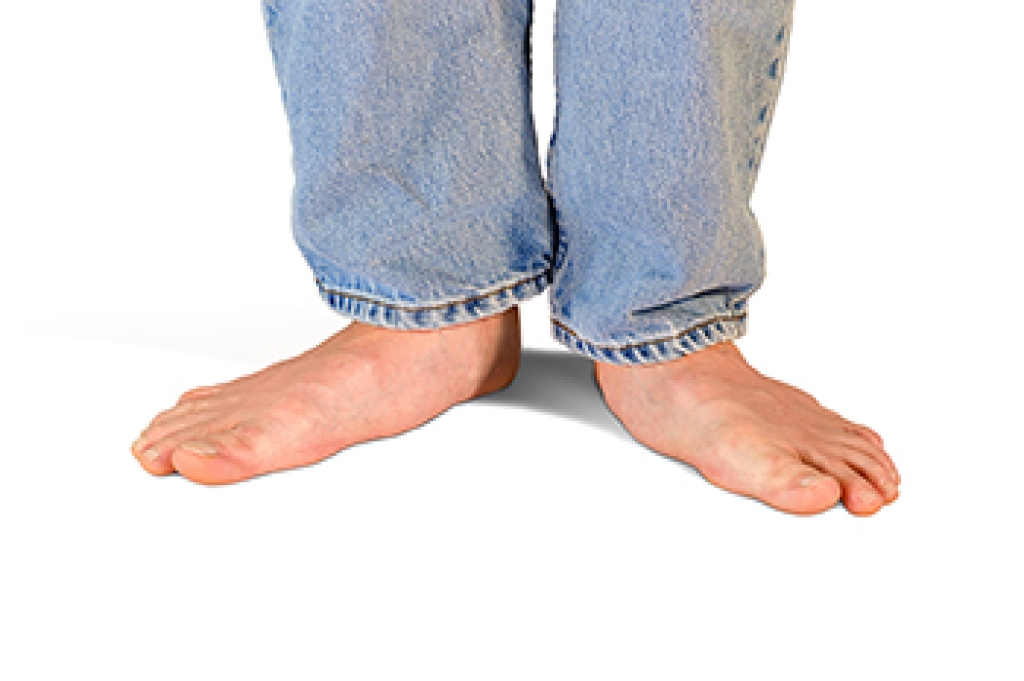
Stretches for Flat Feet

Flat feet are an abnormal foot structure the majority of babies are born with. The arch generally develops during the teenage years, and adults who have never developed an arch may have endured a foot injury, or it may have occurred from genetic reasons. There are some adults who have a consistent achy sensation with flat feet, and performing certain stretches may help to alleviate this. These exercises can help people who have full or partial flat feet, causing the arch to become stronger. A towel scrunch is done by sitting in a chair and having a towel lying at the feet. The towel is grabbed with the toes, inch by inch until it is completely under the foot. Stair raises are performed by standing on a step with the toes and balls of the feet. This is followed by pushing in and raising the heels into that air, and holding for several seconds. It is beneficial to repeat this as often as possible throughout the day. If you have flat feet and are looking for appropriate stretches to perform, it is suggested that you speak with a podiatrist who can help you with proper information.

Flatfoot is a condition many people suffer from. If you have flat feet, contact Charles Oehrlein, DPM from Hoover Foot Care. Our practitioner will treat your foot and ankle needs.

What Are Flat Feet?

Flatfoot is a condition in which the arch of the foot is depressed and the sole of the foot is almost completely in contact with the ground. About 20-30% of the population generally has flat feet because their arches never formed during growth.

Conditions & Problems:

Having flat feet makes it difficult to run or walk because of the stress placed on the ankles.

Alignment – The general alignment of your legs can be disrupted, because the ankles move inward which can cause major discomfort.

Knees – If you have complications with your knees, flat feet can be a contributor to arthritis in that area.  

Symptoms

  • Pain around the heel or arch area
  • Trouble standing on the tip toe
  • Swelling around the inside of the ankle
  • Flat look to one or both feet
  • Having your shoes feel uneven when worn

Treatment

If you are experiencing pain and stress on the foot you may weaken the posterior tibial tendon, which runs around the inside of the ankle. 

If you have any questions, please feel free to contact our office located in Hoover, Oneonta, and Munford, AL . We offer the newest diagnostic and treatment technologies for all your foot care needs.
Read more about Flat Feet

Falling Has Increased Across the Globe

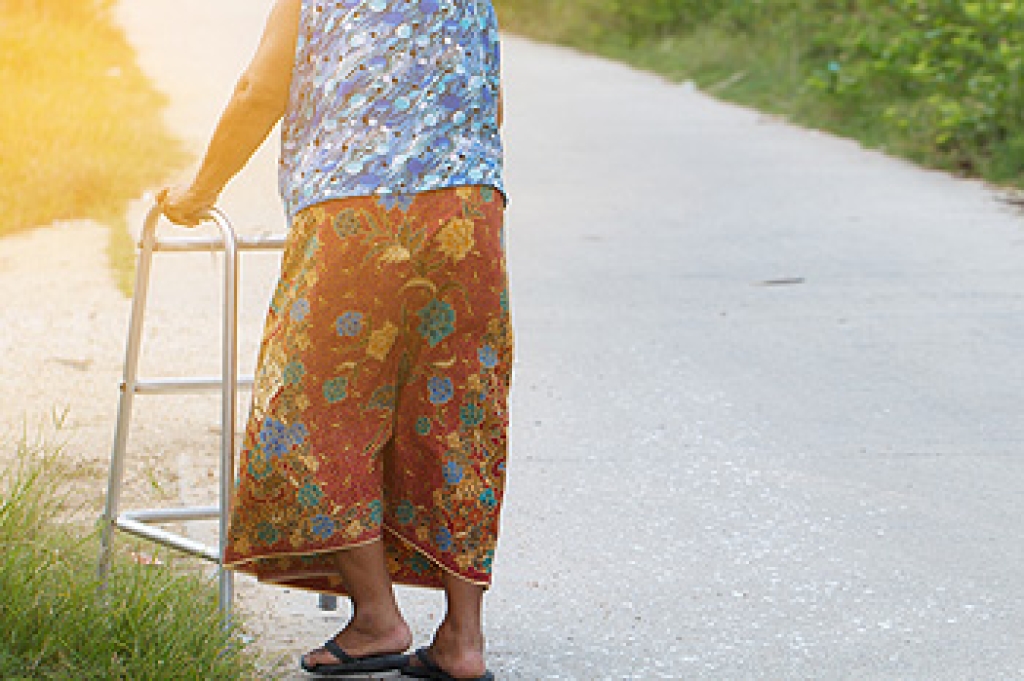
Research has shown millions of people fall every year, which could lead to disabilities or even death. Over the last 20 years the number of falls has increased more rapidly than any other type of injury, according to world health experts. It is beneficial to have programs in place that can teach balance and strength training to older individuals. Tai chi and yoga, which can fall into these categories, may improve overall health in addition to preventing falls. Many falls happen in the home, and installing grab bars in the toilet and shower areas may help to reduce these accidents. Additionally, it can help to replace worn rugs and improve lighting in the living areas. Falling can affect the feet, and it is crucial to avoid injuring the toes or feet. If you would like to learn more about effective fall prevention techniques, it is suggested that you speak with a podiatrist. 

Preventing falls among the elderly is very important. If you are older and have fallen or fear that you are prone to falling, consult with Charles Oehrlein, DPM from Hoover Foot Care. Our practitioner will assess your condition and provide you with quality advice and care.

Every 11 seconds, an elderly American is being treated in an emergency room for a fall related injury. Falls are the leading cause of head and hip injuries for those 65 and older. Due to decreases in strength, balance, senses, and lack of awareness, elderly persons are very susceptible to falling. Thankfully, there are a number of things older persons can do to prevent falls.

How to Prevent Falls

Some effective methods that older persons can do to prevent falls include:

  • Enrolling in strength and balance exercise program to increase balance and strength
  • Periodically having your sight and hearing checked
  • Discuss any medications you have with a doctor to see if it increases the risk of falling
  • Clearing the house of falling hazards and installing devices like grab bars and railings
  • Utilizing a walker or cane
  • Wearing shoes that provide good support and cushioning
  • Talking to family members about falling and increasing awareness

Falling can be a traumatic and embarrassing experience for elderly persons; this can make them less willing to leave the house, and less willing to talk to someone about their fears of falling. Doing such things, however, will increase the likelihood of tripping or losing one’s balance. Knowing the causes of falling and how to prevent them is the best way to mitigate the risk of serious injury.  

If you have any questions, please feel free to contact our office located in Hoover, Oneonta, and Munford, AL . We offer the newest diagnostic and treatment technologies for all your foot care needs.
Read more about Falls Prevention

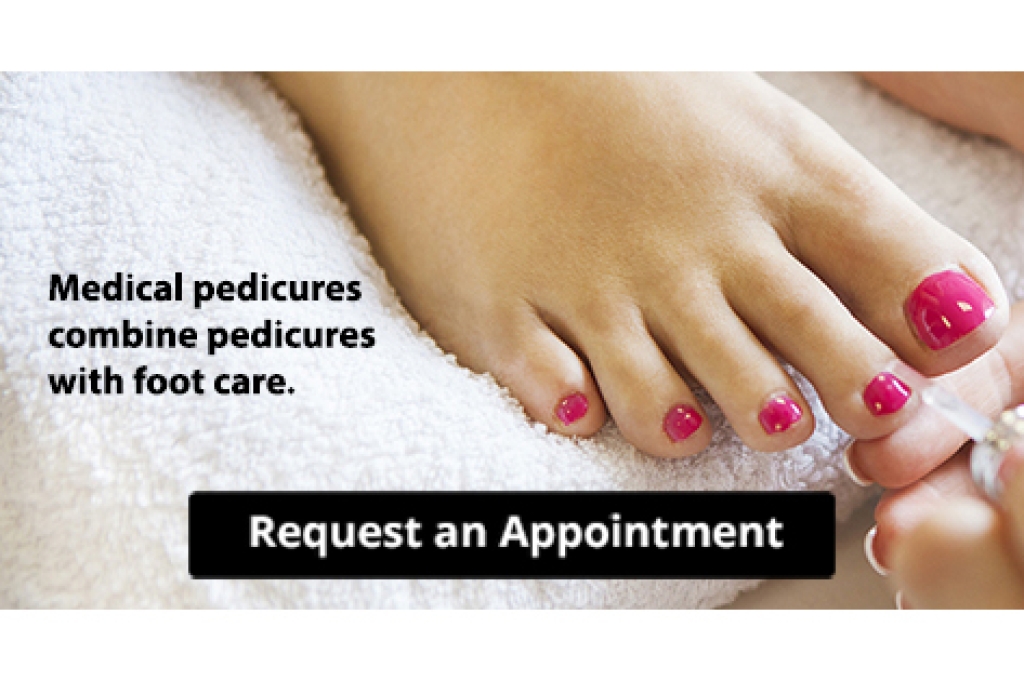
Treat Your Feet to a Medical Pedicure

A medical pedicure is a specialized foot care treatment that combines traditional pedicure techniques with medical expertise to address various foot conditions. These treatments can help improve foot health, reduce pain, prevent infections, and promote relaxation.

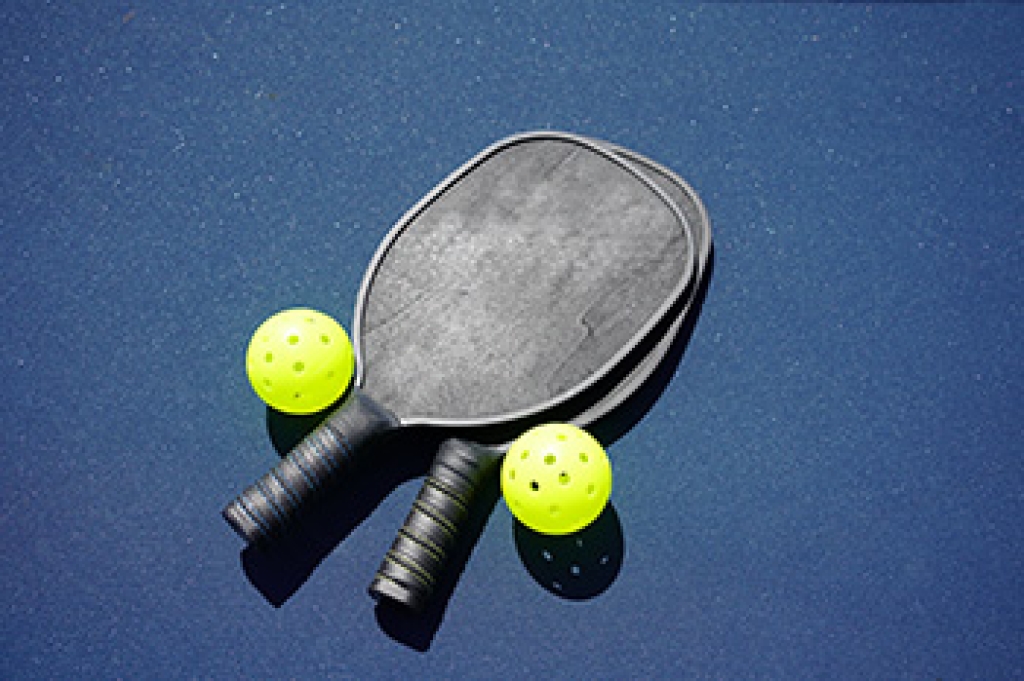
Stretching the Feet Before Playing Pickleball

People may enjoy playing pickleball instead of tennis as it is less demanding on the body. It is wise to properly stretch the feet and ankles before engaging in this sport, which may help prevent chronic or acute injuries. Acute pain can be traumatic and is generally caused by a single event, such as falling and bracing the body with one hand. This may lead to incurring a broken wrist. Repeated stress over time may point to developing a chronic injury. An example of this can be reaching down to hit a low ball and repeating it several times throughout the match. A common injury people can get while playing pickleball can affect the Achilles tendon. This is located in the lower back of the leg and connects the heels to the calf muscles. This injury may be acute or chronic, and the Achilles tendon can become completely or partially torn. It is beneficial to stretch the heels and calf muscles before beginning to play pickleball, in addition to wearing proper shoes for this type of sport. If you would like more information about how the feet can be affected by a pickleball injury, it is suggested that you consult with a podiatrist. 

Sports related foot and ankle injuries require proper treatment before players can go back to their regular routines. For more information, contact Charles Oehrlein, DPM of Hoover Foot Care. Our practitioner can provide the care you need to keep you pain-free and on your feet.

Sports Related Foot and Ankle Injuries

Foot and ankle injuries are a common occurrence when it comes to athletes of any sport. While many athletes dismiss the initial aches and pains, the truth is that ignoring potential foot and ankle injuries can lead to serious problems. As athletes continue to place pressure and strain the area further, a mild injury can turn into something as serious as a rupture and may lead to a permanent disability. There are many factors that contribute to sports related foot and ankle injuries, which include failure to warm up properly, not providing support or wearing bad footwear. Common injuries and conditions athletes face, including:

  • Plantar Fasciitis
  • Achilles Tendinitis
  • Achilles Tendon Rupture
  • Ankle Sprains

Sports related injuries are commonly treated using the RICE method. This includes rest, applying ice to the injured area, compression and elevating the ankle. More serious sprains and injuries may require surgery, which could include arthroscopic and reconstructive surgery. Rehabilitation and therapy may also be required in order to get any recovering athlete to become fully functional again. Any unusual aches and pains an athlete sustains must be evaluated by a licensed, reputable medical professional.

If you have any questions please contact our office located in Hoover, Oneonta, and Munford, AL . We offer the newest diagnostic and treatment technologies for all your foot and ankle needs.

Read more about Sports Related Foot And Ankle Injuries

The Importance of Foot and Toe Stretches

Many podiatrists cannot stress the importance of stretching the feet enough. When the feet are frequently stretched, foot pain and fatigue may be reduced, and circulation can be improved. The feet can tire from standing or walking for several hours during the day, in addition to wearing shoes that do not fit correctly. A common foot stretch is known as a calf or runner’s stretch. This is done by standing on a step while lowering one heel at a time until a gentle stretch is felt. The movement of the foot is controlled by two calf muscles, which connect to the Achilles tendon. These muscles can generally be tight, and performing a runner’s stretch can be an effective way to loosen them. The muscles in the feet that provide movement to the toes are called intrinsic muscles, and are located between the metatarsal bones. They can weaken with age, and stretching them properly may slow down this process. There are numerous stretches that can be done for the feet and toes, and if you would like more information about how to perform these, it is suggested that you speak with a podiatrist.

Stretching the feet is a great way to prevent injuries. If you have any concerns with your feet consult with Charles Oehrlein, DPM from Hoover Foot Care. Our practitioner will assess your condition and provide you with quality foot and ankle treatment.

Stretching the Feet

Being the backbone of the body, the feet carry your entire weight and can easily become overexerted, causing cramps and pain. As with any body part, stretching your feet can serve many benefits. From increasing flexibility to even providing some pain relief, be sure to give your feet a stretch from time to time. This is especially important for athletes or anyone performing aerobic exercises, but anyone experiencing foot pain or is on their feet constantly should also engage in this practice.

Great ways to stretch your feet:

  • Crossing one leg over the others and carefully pull your toes back. Do 10-20 repetitions and repeat the process for each foot
  • Face a wall with your arms out and hands flat against the wall. Step back with one foot and keep it flat on the floor while moving the other leg forward. Lean towards the wall until you feel a stretch. Hold for 30 seconds and perform 10 repetitions for each foot
  • Be sure not to overextend or push your limbs too hard or you could risk pulling or straining your muscle

Individuals who tend to their feet by regular stretching every day should be able to minimize foot pain and prevent new problems from arising.

If you have any questions please contact our office located in Hoover, Oneonta, and Munford, AL . We offer the newest diagnostic and treatment technologies for all your foot and ankle needs.

Read more about Stretching Your Feet

What Are the Symptoms of Poor Circulation?

Poor circulation can be common among older people. It is a condition that can affect the feet, and pain and discomfort may ensue. When circulation is good, existing wounds and cuts can heal quickly, and the body may be able to successfully ward off other ailments. Poor circulation is defined as a lack of oxygen that is needed by vital organs. Symptoms of poor circulation are often found in the feet and can consist of a tingling or numbing sensation. The feet may also be swollen, and the skin may become dry. Poor circulation can be caused by diabetes and atherosclerosis. This is a condition that causes a buildup of plaque in the arteries, and they can become narrow, possibly lessening blood flow. There can be additional health conditions that can lead to getting poor circulation, including smoking, consuming excess alcohol, and being overweight. Mild relief may be found when compression stockings are worn, and a gentle exercise routine is frequently performed. If you have poor circulation, it is suggested that you confer with a podiatrist who can offer you relief and treatment options.

Poor circulation is a serious condition and needs immediate medical attention. If you have any concerns with poor circulation in your feet contact Charles Oehrlein, DPM of Hoover Foot Care. Our practitioner will treat your foot and ankle needs.

Poor Circulation in the Feet

Poor blood circulation in the feet and legs is can be caused by peripheral artery disease (PAD), which is the result of a buildup of plaque in the arteries.

Plaque buildup or atherosclerosis results from excess calcium and cholesterol in the bloodstream. This can restrict the amount of blood which can flow through the arteries. Poor blood circulation in the feet and legs are sometimes caused by inflammation in the blood vessels, known as vasculitis.

Causes

Lack of oxygen and oxygen from poor blood circulation restricts muscle growth and development. It can also cause:

  • Muscle pain, stiffness, or weakness 
  • Numbness or cramping in the legs
  • Skin discoloration
  • Slower nail & hair growth
  • Erectile dysfunction

Those who have diabetes or smoke are at greatest risk for poor circulation, as are those who are over 50. If you have poor circulation in the feet and legs it may be caused by PAD and is important to make changes to your lifestyle in order to reduce risk of getting a heart attack or stroke. Exercise and maintaining a healthy lifestyle will dramatically improve conditions.

As always, see a podiatrist as he or she will assist in finding a regimen that suits you. A podiatrist can also prescribe you any needed medication. 

If you have any questions, please feel free to contact our office located in Hoover, Oneonta, and Munford, AL . We offer the newest diagnostic and treatment technologies for all your foot care needs.

Read more about Causes, Symptoms, and Treatment of Poor Blood Circulation in the Feet

Overpronation and Hypermobility May Cause Bunions

The foot condition known as a bunion is a progressive bone disorder. It is a lump on the side of the big toe that can happen from wearing shoes that do not have enough room in the toe area. Bunions may also occur due to genetic reasons. A bunion is considered a deformity and severe bunions can cause the other toes to shift toward each other. Some patients can develop bunions from overpronation, and this causes the foot to roll inward and can also be related to having flat feet. If the body's weight is unevenly distributed, an abnormal foot structure may develop which could lead to a bunion developing. Hypermobility is a condition that causes the bones to move more than they normally would and this may also result in a bunion. If you have a bunion, it is suggested that you confer with a podiatrist who can determine the proper plan of treatment for you. 

If you are suffering from bunions, contact Charles Oehrlein, DPM of Hoover Foot Care. Our practitioner can provide the care you need to keep you pain-free and on your feet.

What Is a Bunion?

A bunion is formed of swollen tissue or an enlargement of boney growth, usually located at the base joint of the toe that connects to the foot. The swelling occurs due to the bones in the big toe shifting inward, which impacts the other toes of the foot. This causes the area around the base of the big toe to become inflamed and painful.

Why Do Bunions Form?

Genetics – Susceptibility to bunions are often hereditary

Stress on the feet – Poorly fitted and uncomfortable footwear that places stress on feet, such as heels, can worsen existing bunions

How Are Bunions Diagnosed?

Doctors often perform two tests – blood tests and x-rays – when trying to diagnose bunions, especially in the early stages of development. Blood tests help determine if the foot pain is being caused by something else, such as arthritis, while x-rays provide a clear picture of your bone structure to your doctor.

How Are Bunions Treated?

  • Refrain from wearing heels or similar shoes that cause discomfort
  • Select wider shoes that can provide more comfort and reduce pain
  • Anti-inflammatory and pain management drugs
  • Orthotics or foot inserts
  • Surgery

If you have any questions, please feel free to contact our office located in Hoover, Oneonta, and Munford, AL . We offer the newest diagnostic and treatment technologies for all your foot care needs.
Read more about What Are Bunions?

What Can Cause a Plantar Fibroma?

A plantar fibroma is an area of tissue that develops in the arch of the foot that can be painful, despite being benign. Several fibromas on the foot are referred to as plantar fibromatosis. The noticeable symptom of a plantar fibroma is an uncomfortable lump that slowly grows in the arch of the foot. The pain may worsen when the lump is touched or when standing for long periods. There is no known cause for why a plantar fibroma develops, however, enduring repetitive foot injuries may lead to tearing the plantar fascia which may promote the growth of a plantar fibroma. Patients have found mild relief when custom-made orthotics are worn and when specific stretches are performed. If you have a lump on the bottom of your foot, it is suggested that you visit a podiatrist who can properly diagnose and treat a plantar fibroma.

A plantar fibroma may disrupt your daily activities. If you have any concerns, contact Charles Oehrlein, DPM of Hoover Foot Care. Our practitioner can provide the care you need to keep you pain-free and on your feet.

Plantar Fibroma

A plantar fibroma is a fibrous knot in the arch of the foot. It is embedded in the plantar fascia which is a band of tissue that extends from the heel to the toes along the bottom of the foot. There can be multiple plantar fibromas in the feet at the same time. There are no known causes for this condition. If you have a plantar fibroma, there will be a bump in the arch of your foot that cannot be missed. Any associated pain is most often due to a shoe rubbing against the nodule. Non-surgical options, such as steroid injections, physical therapy, and orthotics should be tried first. Surgery is a last resort and is the only thing that will remove a plantar fibroma entirely. Consult with a podiatrist for a proper diagnosis and to determine the treatment regimen that is right for you.

What Causes a Plantar Fibroma?

While there are no specific causes identified, a plantar fibroma can possibly come from genetic predisposition or the formation of scar tissue that forms from healing the tears in the plantar fascia.

What Are the Symptoms of a Plantar Fibroma?

There will be a noticeable lump in the arch of the foot that may or may not cause pain. If pain is felt, it is typically because a shoe is rubbing up against the lump or when walking or standing barefoot.

Treatment and Prevention

A plantar fibroma will not disappear without treatment, but it can get smaller and be a non-issue. If pain persists, a podiatrist examines the foot and when the arch of the foot is pressed, pain can be felt down to the toes. An MRI or biopsy might be performed to help diagnose or evaluate the plantar fibroma. The following non-surgical options are generally enough to reduce the size and pain of these nodules:

  • Steroid injections
  • Orthotics
  • Physical therapy to help apply anti-inflammatory creams on the bump 

Surgery is considered if the mass increases in size and the patient continues to feel pain after non-surgical methods are tried.

If you have any questions, please feel free to contact our office located in Hoover, Oneonta, and Munford, AL . We offer the newest diagnostic and treatment technologies for all your foot care needs.

Read more about Plantar Fibroma

Stop Your Toenail Fungus

Have you noticed discoloration of your toenails? Have they become thickened or brittle? If so, you may be experiencing symptoms of a fungal nail infection. For some, having a fungal nail can be embarrassing. Overcome your embarrassment, and get treated.

Exercises for Drop Foot

Drop foot is a foot condition that can develop in individuals when they experience some degree of difficulty in lifting the front of their foot. Drop foot often occurs due to nerve damage or after a stroke. There are many different exercises that you may consider practicing if you are someone that is currently struggling with drop foot. For example, a patient could potentially benefit from calf stretches because calf muscles may tighten due to drop foot. Additionally, a patient could combat their drop foot by performing balance-enhancing exercises. If you are living with drop foot, it is suggested that you contact a podiatrist who can help you address any foot concerns you may be having.

Exercising your feet regularly with the proper foot wear is a great way to prevent injuries and build strength. If you have any concerns about your feet, contact Charles Oehrlein, DPM from Hoover Foot Care. Our practitioner can provide the care you need to keep you pain-free and on your feet.

Exercise for Your Feet

Exercise for your feet can help you gain strength, mobility and flexibility in your feet. They say that strengthening your feet can be just as rewarding as strengthening another part of the body. Your feet are very important, and we often forget about them in our daily tasks. But it is because of our feet that are we able to get going and do what we need to. For those of us fortunate enough to not have any foot problems, it is an important gesture to take care of them to ensure good health in the long run.

Some foot health exercises can include ankle pumps, tip-toeing, toe rises, lifting off the floor doing reps and sets, and flexing the toes. It is best to speak with Our practitioner to determine an appropriate regimen for your needs. Everyone’s needs and bodies are different, and the activities required to maintain strength in the feet vary from individual to individual. 

Once you get into a routine of doing regular exercise, you may notice a difference in your feet and how strong they may become.

If you have any questions, please feel free to contact our office located in Hoover, Oneonta, and Munford, AL . We offer the newest diagnostic and treatment technologies for all your foot care needs.
Read more about Exercise for Your Feet

Connect With Us

scroll to top