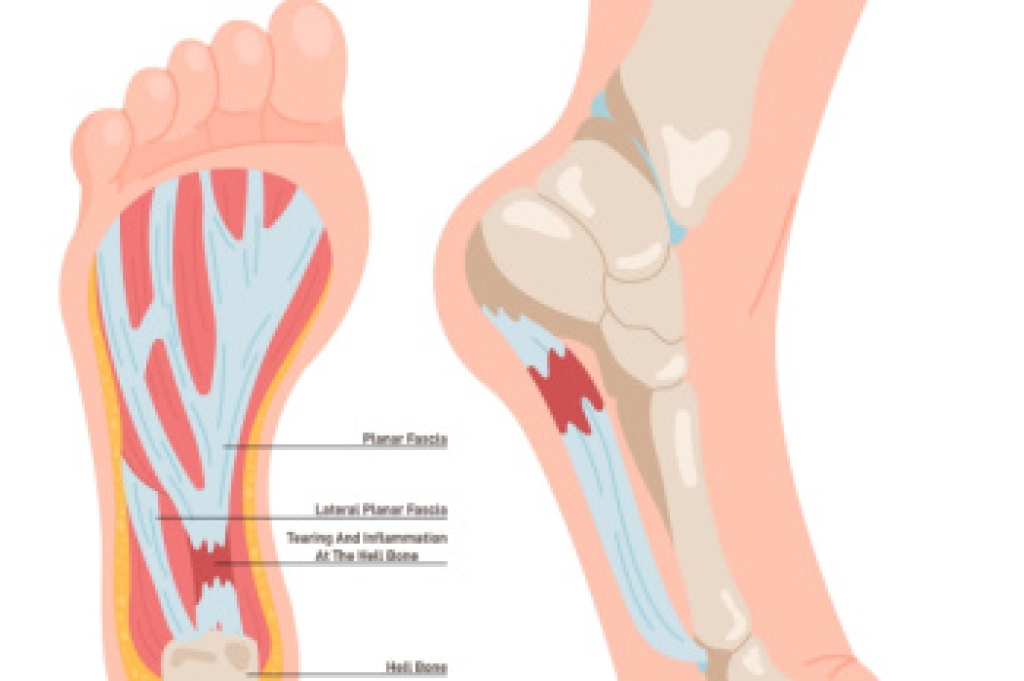
Plantar Fasciitis and How to Find Relief

Plantar fasciitis is a common condition that affects the thick band of tissue on the bottom of the foot that supports the arch. It often occurs when this tissue becomes irritated from overuse, wearing improper footwear, or standing for long periods of time. Risk factors include high arches, flat feet, tight calf muscles, and increased activity. Symptoms include heel pain, stiffness, and discomfort that is often worse in the morning or after rest. A podiatrist can identify the cause, provide targeted treatment, recommend supportive footwear, and guide stretching and strengthening routines to ease strain on the heel. Heel pain can be painful, and may affect daily activities. If this applies to you, it is suggested that you consult a podiatrist who can accurately diagnose and treat what may be going on.

Plantar fasciitis can be very painful and inconvenient. If you are experiencing heel pain or symptoms of plantar fasciitis, contact Charles Oehrlein, DPM  from Hoover Foot Care. Our practitioner can provide the care you need to keep you pain-free and on your feet.

What Is Plantar Fasciitis?

Plantar fasciitis is the inflammation of the thick band of tissue that runs along the bottom of your foot, known as the plantar fascia, and causes mild to severe heel pain.

What Causes Plantar Fasciitis?

  • Excessive running
  • Non-supportive shoes
  • Overpronation
  • Repeated stretching and tearing of the plantar fascia

How Can It Be Treated?

  • Conservative measures – anti-inflammatories, ice packs, stretching exercises, physical therapy, orthotic devices
  • Shockwave therapy – sound waves are sent to the affected area to facilitate healing and are usually used for chronic cases of plantar fasciitis
  • Surgery – usually only used as a last resort when all else fails. The plantar fascia can be surgically detached from the heel

While very treatable, plantar fasciitis is definitely not something that should be ignored. Especially in severe cases, speaking to your doctor right away is highly recommended to avoid complications and severe heel pain. Your podiatrist can work with you to provide the appropriate treatment options tailored to your condition.

If you have any questions, please feel free to contact our office located in Hoover, Oneonta, and Munford, AL . We offer the newest diagnostic and treatment technologies for all your foot care needs.
Read more about Plantar Fasciitis

When Toes Begin To Curl Out of Alignment

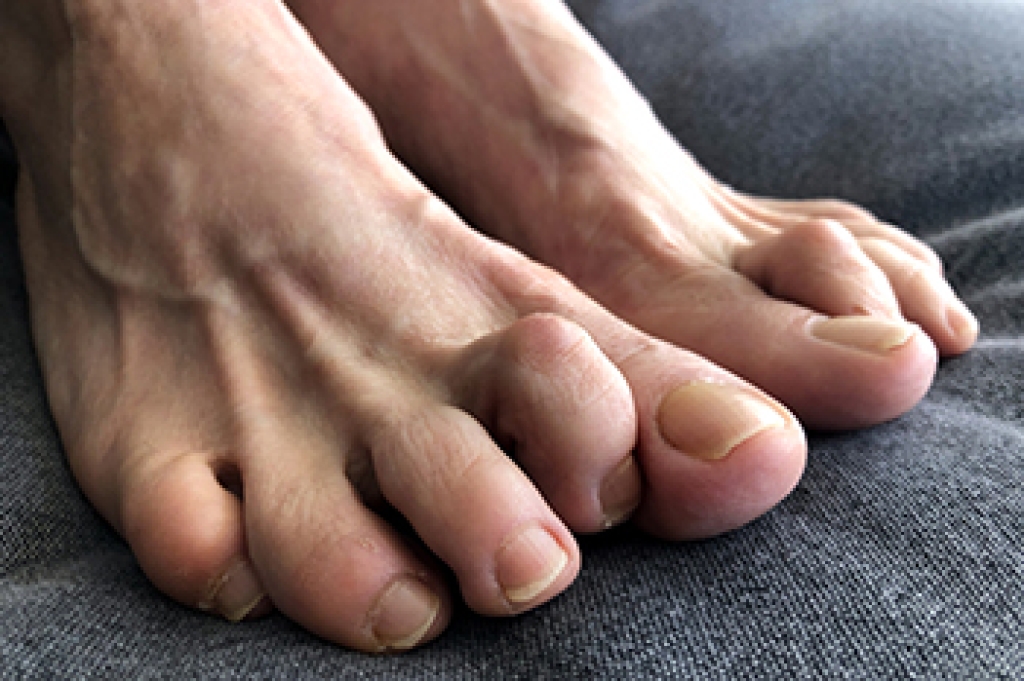
A hammertoe forms when a toe bends upward at one joint and downward at another, creating a curled or raised appearance that can make shoes feel tight or uncomfortable. This change often develops gradually as muscles and tendons lose their usual balance, sometimes due to genetics, arthritis, past injuries, or footwear that does not allow the toes enough room. Many people notice rubbing on the top of the toe, the formation of corns, or increasing stiffness that makes straightening the toe difficult. Walking may become uncomfortable as pressure shifts to areas that are not meant to carry extra weight. Early attention helps prevent the deformity from becoming rigid or more painful. If you see changes in toe shape, have difficulty moving a toe, or develop irritation from shoe pressure, it is suggested that you schedule an appointment with a podiatrist for a proper evaluation and appropriate treatment.

Hammertoe

Hammertoes can be a painful condition to live with. For more information, contact Charles Oehrlein, DPM from Hoover Foot Care. Our practitioner will answer any of your foot- and ankle-related questions.

Hammertoe is a foot deformity that affects the joints of the second, third, fourth, or fifth toes of your feet. It is a painful foot condition in which these toes curl and arch up, which can often lead to pain when wearing footwear.

Symptoms

  • Pain in the affected toes
  • Development of corns or calluses due to friction
  • Inflammation
  • Redness
  • Contracture of the toes

Causes

Genetics – People who are genetically predisposed to hammertoe are often more susceptible

Arthritis – Because arthritis affects the joints in your toes, further deformities stemming from arthritis can occur

Trauma – Direct trauma to the toes could potentially lead to hammertoe

Ill-fitting shoes – Undue pressure on the front of the toes from ill-fitting shoes can potentially lead to the development of hammertoe

Treatment

Orthotics – Custom made inserts can be used to help relieve pressure placed on the toes and therefore relieve some of the pain associated with it

Medications – Oral medications such as anti-inflammatories or NSAIDs could be used to treat the pain and inflammation hammertoes causes. Injections of corticosteroids are also sometimes used

Surgery – In more severe cases where the hammertoes have become more rigid, foot surgery is a potential option

If you have any questions, please feel free to contact our office located in Hoover, Oneonta, and Munford, AL . We offer the newest diagnostic and treatment technologies for all your foot care needs.

Read more about What Are Hammertoes?

Understanding Flat Feet and Fallen Arches

Flat feet and fallen arches can affect balance, comfort, and the way pressure moves across the feet with each step. Some people are born with low arches while others develop them over time, due to aging, injury, excess weight, or weakened tendons. When the arch flattens, the feet may feel tired, achy, or unstable, especially after long periods of standing or walking. Swelling along the inner side of the foot or ankle can appear, and shoes may wear down unevenly. Some individuals notice discomfort in the knees, hips, or lower back because the body begins to compensate for the altered foot structure. Paying attention to these changes supports long-term mobility and reduces strain on joints. If you have persistent foot fatigue, pain, or difficulty with stability, it is suggested that you see a podiatrist for effective management tips.

Flatfoot is a condition many people suffer from. If you have flat feet, contact Charles Oehrlein, DPM from Hoover Foot Care. Our practitioner will treat your foot and ankle needs.

What Are Flat Feet?

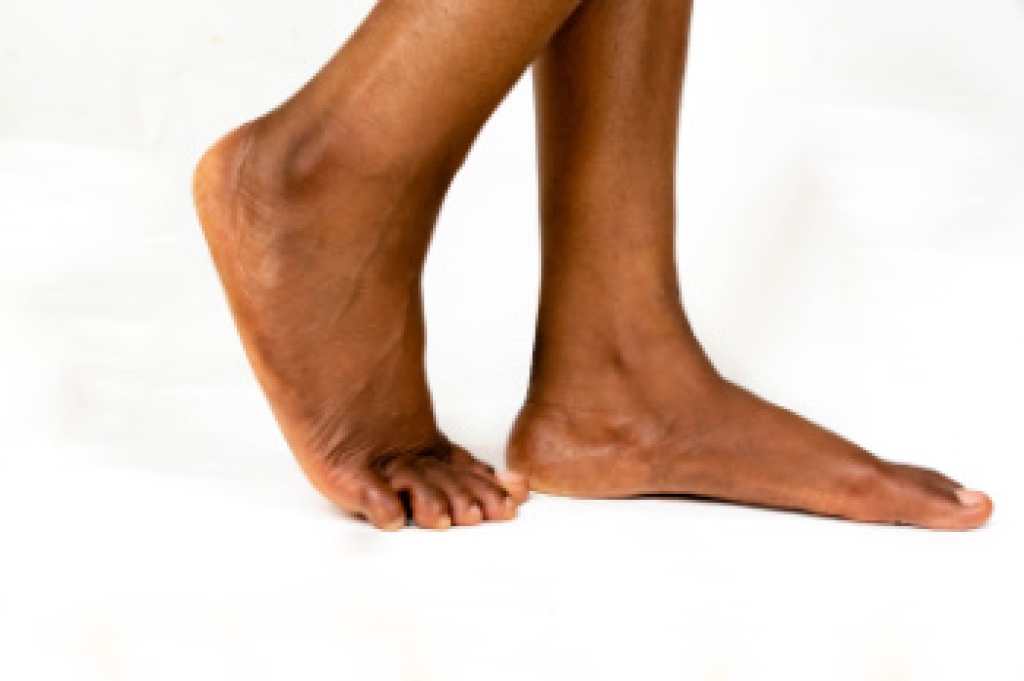
Flatfoot is a condition in which the arch of the foot is depressed and the sole of the foot is almost completely in contact with the ground. About 20-30% of the population generally has flat feet because their arches never formed during growth.

Conditions & Problems:

Having flat feet makes it difficult to run or walk because of the stress placed on the ankles.

Alignment – The general alignment of your legs can be disrupted, because the ankles move inward which can cause major discomfort.

Knees – If you have complications with your knees, flat feet can be a contributor to arthritis in that area.  

Symptoms

  • Pain around the heel or arch area
  • Trouble standing on the tip toe
  • Swelling around the inside of the ankle
  • Flat look to one or both feet
  • Having your shoes feel uneven when worn

Treatment

If you are experiencing pain and stress on the foot you may weaken the posterior tibial tendon, which runs around the inside of the ankle. 

If you have any questions, please feel free to contact our office located in Hoover, Oneonta, and Munford, AL . We offer the newest diagnostic and treatment technologies for all your foot care needs.

Read more about What is Flexible Flat Foot?

Preventing and Treating Ankle Sprains in Children

Ankle sprains in children are common injuries that occur when the ligaments supporting the ankle stretch or tear, often due to running, jumping, or sudden twists during sports and play. The ankle may look swollen, bruised, or slightly deformed, and the child may have difficulty putting weight on the affected foot. Many children describe sharp pain at the time of injury, followed by tenderness, stiffness, or a feeling of instability. Repeated ankle sprains in childhood can increase the risk of chronic ankle instability later in life if not properly treated. A podiatrist can begin by examining the ankle, assessing the range of motion, and using imaging if necessary to rule out fractures or growth plate injuries. Treatment may include elevation, supportive braces, targeted exercises, and guidance on safe return to activity. Early care supports proper healing, prevents recurring injuries, and maintains mobility. If your child experiences persistent pain, swelling, or difficulty walking after an ankle injury, it is suggested that you make an appointment with a podiatrist.

Ankle sprains are common but need immediate attention. If you need your feet checked, contact Charles Oehrlein, DPM from Hoover Foot Care. Our practitioner can provide the care you need to keep you pain-free and on your feet.

How Does an Ankle Sprain Occur?

Ankle sprains take place when the ligaments in your ankle are torn or stretched beyond their limits. There are multiple ways that the ankle can become injured, including twisting or rolling over onto your ankle, putting undue stress on it, or causing trauma to the ankle itself.

What Are the Symptoms?

  • Mild to moderate bruising
  • Limited mobility
  • Swelling
  • Discoloration of the skin (depending on severity)

Preventing a Sprain

  • Wearing appropriate shoes for the occasion
  • Stretching before exercises and sports
  • Knowing your limits

Treatment of a Sprain

Treatment of a sprain depends on the severity.  Many times, people are told to rest and remain off their feet completely, while others are given an air cast. If the sprain is very severe, surgery may be required.

If you have suffered an ankle sprain previously, you may want to consider additional support such as a brace and regular exercises to strengthen the ankle.

If you have any questions please feel free to contact our office located in Hoover, Oneonta, and Munford, AL . We offer the newest diagnostic tools and technology to treat your foot and ankle needs.

Read more about Ankle Sprains

Ankle Fracture? Don’t Wait for Treatment

If you're suffering from an ankle fracture, professional attention shouldn't wait. Fractures may worsen over time and can make completing everyday activities incredibly difficult. See your specialist for treatment and guidance through the healing process. 

Connect With Us

scroll to top