Facts About Achilles Tendinitis

Achilles tendinitis develops when the tendon connecting the calf muscles to the heel becomes irritated. This tendon helps lift the heel when walking, running, and climbing stairs. Pain can occur where the tendon attaches to the heel bone or higher along the back of the ankle. Symptoms include morning stiffness, tenderness, and swelling. Pain can worsen after activity or when pushing off the foot. A sudden increase in exercise, repeated hill running, or tight calf muscles placing extra strain on the tendon. Wearing shoes that lack proper support can also contribute to the problem.

A podiatrist can determine whether the pain comes from Achilles tendinitis or another foot or ankle problem. An examination includes checking the painful area, ankle motion, and tendon strength. The podiatrist may also watch how the patient stands and walks. X-rays can reveal bone changes near the heel, while ultrasound or MRI scans can show damage within the tendon. Accurate diagnosis matters because similar symptoms can result from bursitis, a partial tendon tear, or a heel-bone prominence. Severe pain, sudden weakness, or a popping sensation requires prompt evaluation because these signs can point to a tendon rupture.

Treatment focuses on reducing strain, controlling irritation, and helping the tendon work safely again. A podiatrist may recommend temporary activity changes, heel lifts, or custom orthotics. Supportive shoes can also reduce tension on the painful area. In some cases, a walking boot may protect the tendon while irritation settles. The podiatrist can monitor healing and guide a gradual return to activity. Persistent cases may benefit from treatments that stimulate tissue repair. Surgery is generally reserved for tendon damage or pain that does not improve with other care. Early evaluation can keep the problem from becoming harder to manage and can lower the risk of further tendon injury. If you have symptoms of Achilles tendinitis, it is suggested that you schedule an appointment with a podiatrist for a diagnosis and appropriate treatment.

Achilles tendon injuries need immediate attention to avoid future complications. If you have any concerns, contact Charles Oehrlein, DPM of Hoover Foot Care. Our practitioner can provide the care you need to keep you pain-free and on your feet.

What Is the Achilles Tendon?

The Achilles tendon is a tendon that connects the lower leg muscles and calf to the heel of the foot. It is the strongest tendon in the human body and is essential for making movement possible. Because this tendon is such an integral part of the body, any injuries to it can create immense difficulties and should immediately be presented to a doctor.

What Are the Symptoms of an Achilles Tendon Injury?

There are various types of injuries that can affect the Achilles tendon. The two most common injuries are Achilles tendinitis and ruptures of the tendon.

Achilles Tendinitis Symptoms

  • Inflammation
  • Dull to severe pain
  • Increased blood flow to the tendon
  • Thickening of the tendon

Rupture Symptoms

  • Extreme pain and swelling in the foot
  • Total immobility

Treatment and Prevention

Achilles tendon injuries are diagnosed by a thorough physical evaluation, which can include an MRI. Treatment involves rest, physical therapy, and in some cases, surgery. However, various preventative measures can be taken to avoid these injuries, such as:

  • Thorough stretching of the tendon before and after exercise
  • Strengthening exercises like calf raises, squats, leg curls, leg extensions, leg raises, lunges, and leg presses

If you have any questions please feel free to contact our office located in Hoover, Oneonta, and Munford, AL . We offer the newest diagnostic tools and technology to treat your foot and ankle needs.

Read more about Achilles Tendon Injuries

Benefits of Minimally Invasive Foot and Ankle Surgery

Minimally invasive foot and ankle surgery uses small incisions and instruments to treat certain conditions while limiting disruption to nearby tissues. Depending on the procedure, this type of surgery may be considered for bunions, hammertoes, and other problems that do not improve with conservative care. Symptoms leading to surgery can include pain, swelling, or difficulty walking. The goal is to correct the problem while helping the foot or ankle heal.

There are several potential benefits to minimally invasive surgery. Smaller incisions may create smaller, more pleasing scars than traditional surgical approaches. Less disruption to surrounding tissue may support a faster recovery for some patients. Patients may also experience reduced post-operative pain and decreased post-operative joint stiffness. However, results vary based on the condition, procedure, and individual health. Not every foot or ankle problem can be treated with a minimally invasive approach.

Risk factors for complications include diabetes, smoking, and medical conditions that affect healing. A podiatrist will review your health history and examine the affected area before recommending surgery. Imaging tests may be used to understand bone alignment or joint changes. If surgery is appropriate, the podiatrist explains the procedure, expected recovery, and aftercare. Treatment may also include protective footwear, wound care, and follow-up visits.

After surgery, following your podiatrist's instructions is an important part of recovery. The foot may need protection while tissues heal, and activity may need to increase gradually. Follow-up appointments allow the podiatrist to check the incision, swelling, and progress. Keeping the surgical area clean and reporting unusual drainage, increasing redness, or worsening pain can help address concerns. If you have a foot or ankle condition that could benefit from minimally invasive surgery, it is suggested that you consult a podiatrist who can determine if this type of foot surgery is right for you.

Foot surgery is sometimes necessary to treat a foot ailment. To learn more, contact Charles Oehrlein, DPM of Hoover Foot Care. Our practitioner will assist you with all of your foot and ankle needs.

When Is Surgery Necessary?

Foot and ankle surgery is generally reserved for cases in which less invasive, conservative procedures have failed to alleviate the problem. Some of the cases in which surgery may be necessary include:

  • Removing foot deformities like bunions and bone spurs
  • Severe arthritis that has caused bone issues
  • Cosmetic reconstruction

What Types of Surgery Are There?

The type of surgery you receive will depend on the nature of the problem you have. Some of the possible surgeries include:

  • Bunionectomy for painful bunions
  • Surgical fusion for realignment of bones
  • Neuropathy decompression surgery to treat nerve damage

Benefits of Surgery

Although surgery is usually a last resort, it can provide more complete pain relief compared to non-surgical methods and may allow you to finally resume full activity.

Surgical techniques have also become increasingly sophisticated. Techniques like endoscopic surgery allow for smaller incisions and faster recovery times.

If you have any questions, please feel free to contact our office located in Hoover, Oneonta, and Munford, AL . We offer the newest diagnostic and treatment technologies for all your foot care needs.

Read more about Foot Surgery

Signs You Should See a Podiatrist for a Broken Foot

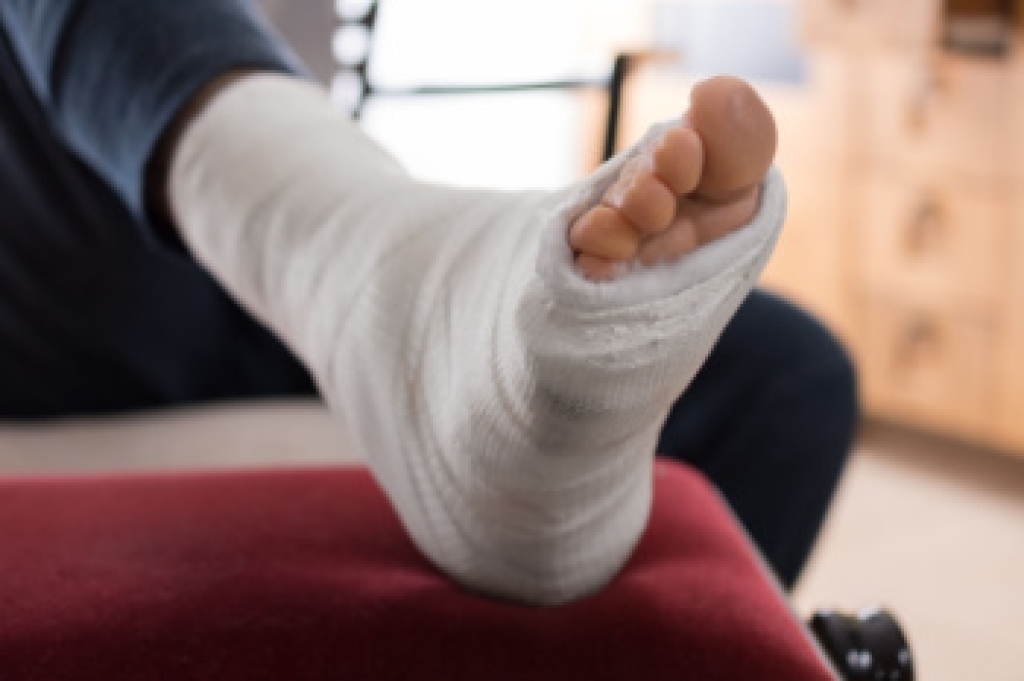
A broken foot can make standing and walking painful, but not every fracture looks severe. Foot fractures range from tiny cracks to complete breaks in a bone. Some can even break through the skin. Symptoms can include pain, swelling, and trouble moving the foot. Bruising or tenderness can also develop after an injury. A visible change in the shape of the foot strongly suggests a fracture. However, some small breaks cause little pain and no obvious deformity, which can make them difficult to recognize without a careful evaluation.

Foot bones can break after a fall, a direct blow, or an awkward twist. Stress fractures are small cracks that develop from repeated force rather than one sudden injury. They can affect athletes who take part in high-impact activities and can develop after a rapid increase in exercise intensity. A broken foot can sometimes resemble a sprain because both injuries can cause pain and swelling. Fractures, however, can produce more intense and continuous pain. Difficulty bearing weight can also occur. Proper diagnosis is important because untreated fractures can heal in poor alignment and lead to lasting mobility problems.

A podiatrist can examine an injured foot and determine whether a fracture is likely. Imaging can help confirm a break and show its location and severity. Treatment depends on the type of fracture and whether the bones remain properly aligned. A podiatrist can use a protective boot or cast to keep the injured area stable while it heals. A podiatrist can also monitor healing and determine when it is safe to increase activity. If you have symptoms of a broken foot, it is suggested that you schedule an appointment with a podiatrist for diagnosis and treatment.

A broken foot requires immediate medical attention and treatment. If you need your feet checked, contact Charles Oehrlein, DPM from Hoover Foot Care. Our practitioner can provide the care you need to keep you pain-free and on your feet.

Broken Foot Causes, Symptoms, and Treatment

A broken foot is caused by one of the bones in the foot typically breaking when bended, crushed, or stretched beyond its natural capabilities. Usually the location of the fracture indicates how the break occurred, whether it was through an object, fall, or any other type of injury. 

Common Symptoms of Broken Feet:

  • Bruising
  • Pain
  • Redness
  • Swelling
  • Blue in color
  • Numbness
  • Cold
  • Misshapen
  • Cuts
  • Deformities

Those that suspect they have a broken foot shoot seek urgent medical attention where a medical professional could diagnose the severity.

Treatment for broken bones varies depending on the cause, severity and location. Some will require the use of splints, casts or crutches while others could even involve surgery to repair the broken bones. Personal care includes the use of ice and keeping the foot stabilized and elevated.

If you have any questions, please feel free to contact our office located in Hoover, Oneonta, and Munford, AL . We offer the newest diagnostic and treatment technologies for all your foot care needs.

Read more about Causes, Symptoms, and Treatment for a Broken Foot

Gout Pain Can Be Managed

Gout is a painful, inflammatory form of arthritis. Those affected will typically feel an intense stiffness in the joints of their feet, particularly in the big toe. Schedule a visit to learn about how gout can be managed and treated.

Choosing Hiking Shoes That Protect Your Feet

Choosing the right hiking shoes can make every trail more comfortable, and help reduce foot problems. Hiking shoes support the feet during outdoor activity. Hiking boots provide more ankle coverage and offer added stability on rocky terrain. Symptoms of wearing poor footwear include foot pain, blisters, or sore toes. Risk factors include long hikes, steep trails, and shoes that fit poorly. The right footwear should match your trail and your foot shape.

Hikers may choose lightweight hiking shoes for easier trails or boots for rougher terrain. Look for a secure heel, enough toe room, and a sturdy and flexible sole. Protection matters because rocks and roots can stress the feet. Comfort is important because pressure can worsen during a long hike. Boots that are light weight can reduce fatigue, while breathability helps manage moisture. Try hiking footwear with your socks and walk around before buying.


Wearing the wrong hiking shoes can contribute to blisters, corns, and ankle discomfort. Shoes that squeeze the toes may create pressure and rubbing. Loose footwear can cause sliding and friction. Poor support may increase strain on the arches and heels. To prevent problems, trace your foot when ordering footwear online, and compare the outline with the shoe shape. Try on shoes later in the day when the feet are larger.


If hiking foot pain develops, a podiatrist can examine your feet, review your footwear, and identify the cause. Treatment may include activity changes, protective padding, or custom orthotics, when appropriate. A podiatrist may also treat blisters, corns, or inflammation, and monitor healing when symptoms persist. If you develop foot pain from wearing the wrong shoes while hiking, it is suggested that you consult a podiatrist for an accurate diagnosis and appropriate treatment solutions.

You should always make sure your running shoes fit properly in order to avoid injury. For more information, contact Charles Oehrlein, DPM from Hoover Foot Care. Our practitioner can provide the care you need to keep you pain-free and on your feet.

Choosing the Right Running Shoe for Your Foot Type

Improper shoe sizing can cause a myriad of problems for your feet. Shoes that don’t fit you properly can lead to muscular imbalances in your body, which can result in foot, knee, and hip injuries.

Tips for Finding the Right Running Shoe

  • Make sure you have a thumb’s width of wiggle room between the end of your longest toe and the front of the shoe.
  • There should be little to no slipping at the heel
  • Don’t assume your size in one shoe brand will be your size in another
  • Do not lace up your shoes too tightly
  • Walk around in the store with your new shoes before you buy them

If you have any questions, please feel free to contact our office located in Hoover, Oneonta, and Munford, AL . We offer the newest diagnostic and treatment technologies for all your foot care needs.

Read more about Choosing the Right Running Shoe

Connect With Us

scroll to top