
When Toenails Change Color and Texture

Fungal infections affect the appearance and health of the toenails. The toenail may become thickened, brittle, or distorted. It often turns yellow, white, or brown. In some cases, debris can build up under the nail, and it may lift slightly from the nail bed, causing discomfort or pressure while wearing shoes. This condition develops when fungi enter through small cracks in the nail or surrounding skin. This often occurs in warm, moist environments, such as sweaty shoes or public areas. A podiatrist can examine the nail, confirm the presence of an infection, and determine the most effective treatment. Care may include trimming and thinning of the nail, topical or oral antifungal medication, and guidance on proper foot hygiene to prevent recurrence. Early treatment can improve outcomes and reduce spread to other nails. If you have symptoms of fungal toenails, it is suggested that you make an appointment with a podiatrist.

If left untreated, toenail fungus may spread to other toenails, skin, or even fingernails. If you suspect you have toenail fungus it is important to seek treatment right away. For more information about treatment, contact Charles Oehrlein, DPM of Hoover Foot Care. Our practitioner can provide the care you need to keep you pain-free and on your feet.

Symptoms

  • Warped or oddly shaped nails
  • Yellowish nails
  • Loose/separated nail
  • Buildup of bits and pieces of nail fragments under the nail
  • Brittle, broken, thickened nail

Treatment

If self-care strategies and over-the-counter medications does not help your fungus, your podiatrist may give you a prescription drug instead. Even if you find relief from your toenail fungus symptoms, you may experience a repeat infection in the future.

Prevention

In order to prevent getting toenail fungus in the future, you should always make sure to wash your feet with soap and water. After washing, it is important to dry your feet thoroughly especially in between the toes. When trimming your toenails, be sure to trim straight across instead of in a rounded shape. It is crucial not to cover up discolored nails with nail polish because that will prevent your nail from being able to “breathe”.

In some cases, surgical procedure may be needed to remove the toenail fungus. Consult with your podiatrist about the best treatment options for your case of toenail fungus.  

If you have any questions please contact our office located in Hoover, Oneonta, and Munford, AL . We offer the newest diagnostic and treatment technologies for all your foot and ankle needs.

Read more about Toenail Fungus

We Can Treat Your Foot or Ankle Pain

Foot or ankle pain can negatively affect your day-to-day life and can occur due to several different conditions. Pain can also be an indicator of a more serious underlying condition, which is why you should seek professional help as soon as you notice any abnormalities in your feet.

Types of Ingrown Toenails and How They Are Treated

An ingrown toenail occurs when the edge of the nail grows or presses into the surrounding skin instead of resting above it, creating irritation, and, in some cases, a break in the skin. Mild cases may cause redness, tenderness, and slight swelling. As the condition worsens, moderate ingrown toenails can lead to increased pain, drainage, and discomfort in wearing closed-toe shoes. Severe or infected cases may include pus, warmth, and overgrown tissue along the nail border. Some people develop chronic ingrown toenails due to nail shape, repeated pressure, or injury. Treatment depends on severity. Early care includes warm soaks, keeping the area clean, and reducing pressure with proper footwear. A podiatrist may trim or lift the nail or place a small support. For persistent or severe cases, a simple in-office procedure can remove part of the nail and prevent regrowth. If you have a painful ingrown toenail, it is suggested that you see a podiatrist for a proper diagnosis and appropriate treatment.

Ingrown toenails can become painful if they are not treated properly. For more information about ingrown toenails, contact Charles Oehrlein, DPM of Hoover Foot Care. Our practitioner can provide the care you need to keep you pain-free and on your feet.

Ingrown Toenails

Ingrown toenails occur when a toenail grows sideways into the bed of the nail, causing pain, swelling, and possibly infection.

Causes

  • Bacterial infections
  • Improper nail cutting such as cutting it too short or not straight across
  • Trauma to the toe, such as stubbing, which causes the nail to grow back irregularly
  • Ill-fitting shoes that bunch the toes too close together
  • Genetic predisposition

Prevention

Wearing proper fitting shoes and using proper cutting techniques will also help decrease your risk of developing ingrown toenails.

Treatment

Ingrown toenails are a very treatable foot condition. In minor cases, soaking the affected area in salt or antibacterial soaps will not only help with the ingrown nail itself, but also help prevent any infections from occurring. In more severe cases, surgery is an option. In either case, speaking to your podiatrist about this condition will help you get a better understanding of specific treatment options that are right for you.

If you have any questions, please feel free to contact our office located in Hoover, Oneonta, and Munford, AL . We offer the newest diagnostic and treatment technologies for all your foot care needs.


Read more about Ingrown Toenails

Understanding Plantar Fasciitis

Plantar fasciitis causes heel pain that often makes the first steps in the morning feel sharp and uncomfortable. This condition occurs when the thick band of tissue along the bottom of the foot becomes inflamed or torn. The heel may feel tender, tight, or even slightly swollen, and pain can return after long periods of standing or walking. Contributing factors include overuse, wearing unsupportive shoes, or having flat feet or high arches that place added stress on the tissue. A podiatrist begins with a careful evaluation of symptoms and foot structure and orders imaging if needed. Treatment focuses on reducing pain and improving support through custom orthotics, footwear changes, and targeted exercises to improve flexibility and strength. Early care can help prevent the condition from becoming long-lasting. If you are dealing with painful plantar fasciitis, it is suggested that you make an appointment with a podiatrist.

Plantar fasciitis is a common foot condition that is often caused by a strain injury. If you are experiencing heel pain or symptoms of plantar fasciitis, contact Charles Oehrlein, DPM from Hoover Foot Care. Our practitioner can provide the care you need to keep you pain-free and on your feet.

What Is Plantar Fasciitis?

Plantar fasciitis is one of the most common causes of heel pain. The plantar fascia is a ligament that connects your heel to the front of your foot. When this ligament becomes inflamed, plantar fasciitis is the result. If you have plantar fasciitis you will have a stabbing pain that usually occurs with your first steps in the morning. As the day progresses and you walk around more, this pain will start to disappear, but it will return after long periods of standing or sitting.

What Causes Plantar Fasciitis?

  • Excessive running
  • Having high arches in your feet
  • Other foot issues such as flat feet
  • Pregnancy (due to the sudden weight gain)
  • Being on your feet very often

There are some risk factors that may make you more likely to develop plantar fasciitis compared to others. The condition most commonly affects adults between the ages of 40 and 60. It also tends to affect people who are obese because the extra pounds result in extra stress being placed on the plantar fascia.

Prevention

  • Take good care of your feet – Wear shoes that have good arch support and heel cushioning.
  • Maintain a healthy weight
  • If you are a runner, alternate running with other sports that won’t cause heel pain

There are a variety of treatment options available for plantar fasciitis along with the pain that accompanies it. Additionally, physical therapy is a very important component in the treatment process. It is important that you meet with your podiatrist to determine which treatment option is best for you.

If you have any questions, please feel free to contact our office located in Hoover, Oneonta, and Munford, AL . We offer the newest diagnostic and treatment technologies for all your foot care needs.
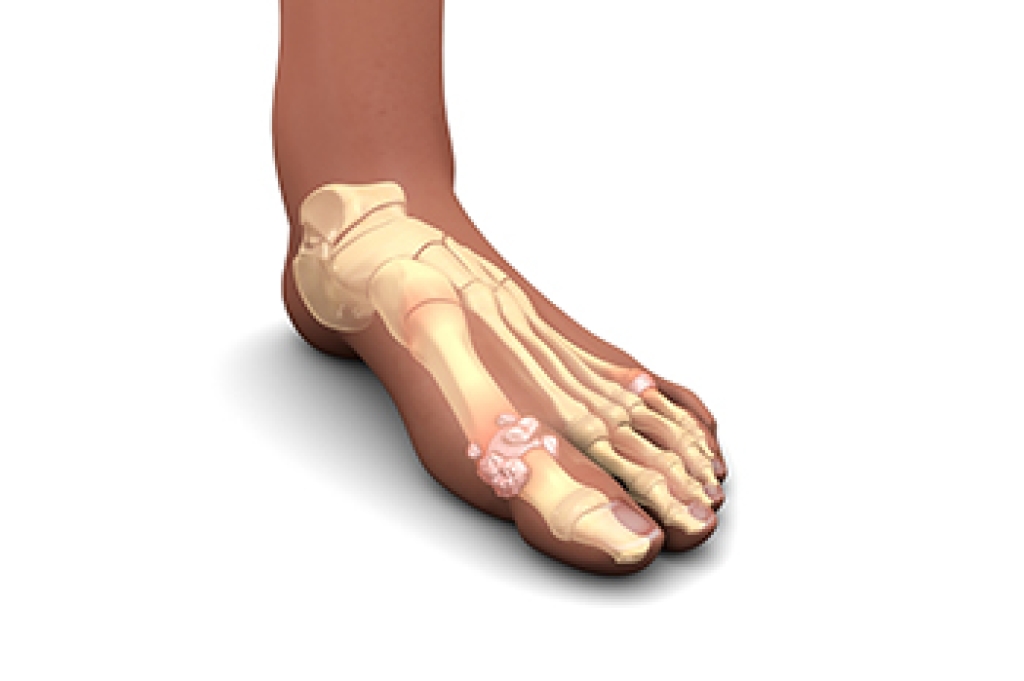
 

Read more about Plantar Fasciitis

Diagnosing and Treating a Broken Foot

A foot fracture is a break in one of the bones in the foot, and can happen from a fall, a sudden twist, or repeated stress over time. Common signs include pain, swelling, bruising, and trouble putting weight on the foot. Some fractures feel mild at first and are mistaken for a sprain, which can delay proper care. Diagnosis usually involves a physical exam and imaging, such as X-rays, to confirm the injury and guide treatment. Many fractures heal with rest, limited weight-bearing, and support from a boot or cast. More serious cases may need realignment or surgery to ensure proper healing. Early care helps prevent long-term pain or deformity. If you have ongoing foot pain after an injury or cannot walk comfortably, it is suggested that you see a podiatrist for a proper diagnosis and appropriate treatment.

A broken foot requires immediate medical attention and treatment. If you need your feet checked, contact Charles Oehrlein, DPM from Hoover Foot Care. Our practitioner can provide the care you need to keep you pain-free and on your feet.

Broken Foot Causes, Symptoms, and Treatment

A broken foot is caused by one of the bones in the foot typically breaking when bended, crushed, or stretched beyond its natural capabilities. Usually the location of the fracture indicates how the break occurred, whether it was through an object, fall, or any other type of injury. 

Common Symptoms of Broken Feet:

  • Bruising
  • Pain
  • Redness
  • Swelling
  • Blue in color
  • Numbness
  • Cold
  • Misshapen
  • Cuts
  • Deformities

Those that suspect they have a broken foot shoot seek urgent medical attention where a medical professional could diagnose the severity.

Treatment for broken bones varies depending on the cause, severity and location. Some will require the use of splints, casts or crutches while others could even involve surgery to repair the broken bones. Personal care includes the use of ice and keeping the foot stabilized and elevated.

If you have any questions, please feel free to contact our office located in Hoover, Oneonta, and Munford, AL . We offer the newest diagnostic and treatment technologies for all your foot care needs.
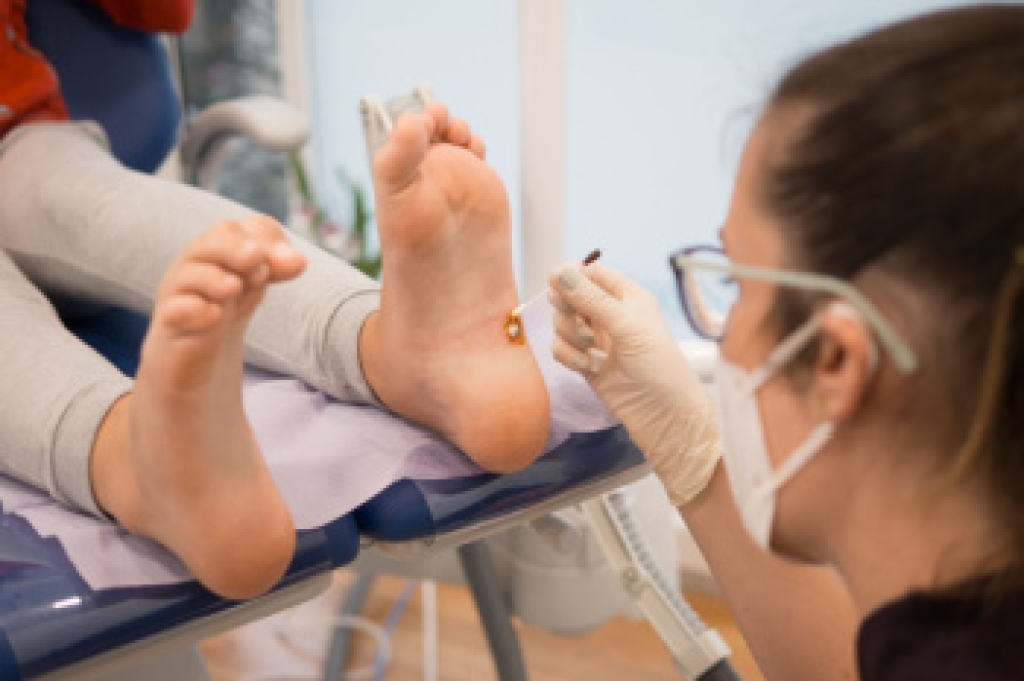
Read more about Causes, Symptoms, and Treatment for a Broken Foot

Connect With Us

scroll to top