
Heel pain can negatively affect your day-to-day life. Simple activities like walking can become incredibly uncomfortable or painful due to heel pain.
Don’t live with heel pain and get treated.
Heel pain can negatively affect your day-to-day life. Simple activities like walking can become incredibly uncomfortable or painful due to heel pain.
Don’t live with heel pain and get treated.
 Incorporating stretches into your daily routine can significantly enhance the health of your feet and legs, potentially mitigating aches and the risk of injury. For example, the seated calf stretch targets the muscles at the back of your lower leg, pivotal for walking and maintaining balance. To perform this stretch, sit with your legs extended forward and a towel looped around the foot's ball. Gently pull on the towel ends, drawing your toes towards you, feeling a deliberate stretch along your calf muscles. Another beneficial stretch, the toe spread, focuses on the intrinsic muscles of your feet, which support your arches and improve toe dexterity. While seated, place your feet flat on the ground and attempt to spread your toes apart without moving your feet, holding the position to enhance muscle strength and flexibility. Bring the toes back together, and repeat this exercise several times. Lastly, the standing calf stretch is performed by placing your hands on a wall and putting one foot behind the other. Gently leaning forward while keeping the back heel on the ground stretches both the calf muscles and the Achilles tendon. If you’re experiencing pain or aches in the feet, it is suggested you make an appointment with a podiatrist to diagnose any potential problems and get more information about beneficial stretches for the feet.
Exercising your feet regularly with the proper foot wear is a great way to prevent injuries and build strength. If you have any concerns about your feet, contact Charles Oehrlein, DPM from Hoover Foot Care. Our practitioner can provide the care you need to keep you pain-free and on your feet.
Exercise for Your Feet
Exercise for your feet can help you gain strength, mobility and flexibility in your feet. They say that strengthening your feet can be just as rewarding as strengthening another part of the body. Your feet are very important, and we often forget about them in our daily tasks. But it is because of our feet that are we able to get going and do what we need to. For those of us fortunate enough to not have any foot problems, it is an important gesture to take care of them to ensure good health in the long run.
Some foot health exercises can include ankle pumps, tip-toeing, toe rises, lifting off the floor doing reps and sets, and flexing the toes. It is best to speak with Our practitioner to determine an appropriate regimen for your needs. Everyone’s needs and bodies are different, and the activities required to maintain strength in the feet vary from individual to individual.
Once you get into a routine of doing regular exercise, you may notice a difference in your feet and how strong they may become.
If you have any questions, please feel free to contact our office located in Hoover, Oneonta, and Munford, AL . We offer the newest diagnostic and treatment technologies for all your foot care needs.
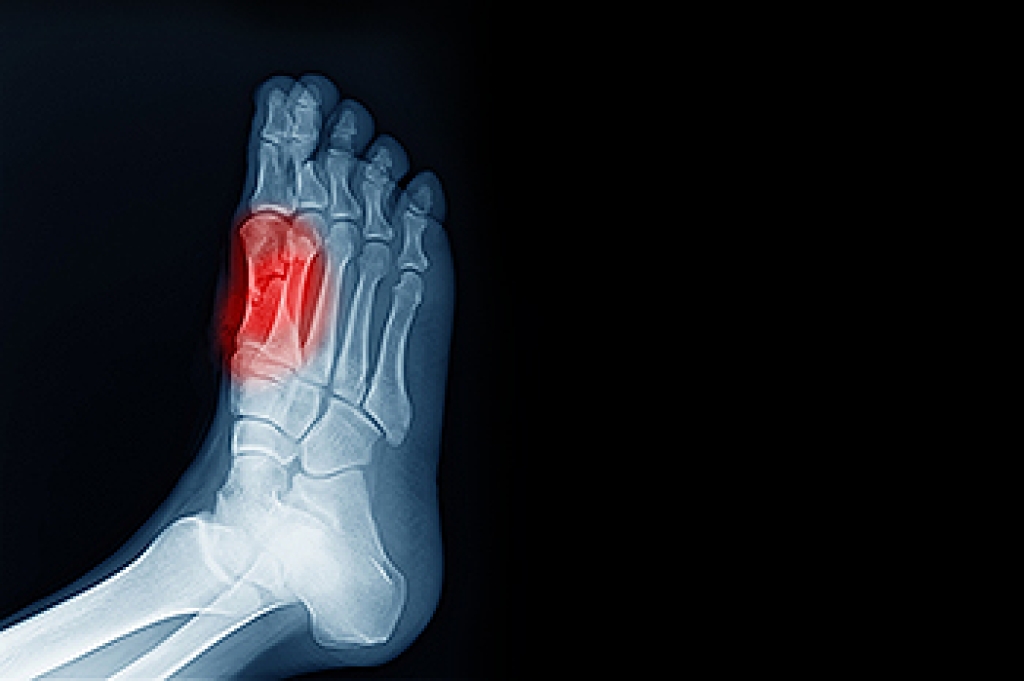
The sesamoid bones of the feet are small yet significant structures embedded within tendons under the big toe. They play a vital role in joint stabilization and the ability to raise the toe. Sesamoiditis usually results from post-traumatic or degenerative causes, causing localized pain and swelling, with tenderness over the affected bones. Factors contributing to sesamoiditis include osteoarthritis, foot deformities, and high-impact activities. Other potential causes of sesamoiditis include wearing high heels, increased body weight, running on the forefoot, and a larger size of sesamoids. Treatment may include footwear modifications and orthotic shoe inserts. In severe cases, steroid injections or surgery may be necessary to alleviate symptoms and prevent further complications. Seeking a prompt evaluation by a podiatrist is essential. If you are experiencing persistent toe pain or suspect sesamoiditis, it is suggested that you schedule an appointment with a podiatrist for an exam, a diagnosis, and appropriate treatment options.
Sesamoiditis is an unpleasant foot condition characterized by pain in the balls of the feet. If you think you’re struggling with sesamoiditis, contact Charles Oehrlein, DPM of Hoover Foot Care. Our practitioner will treat your condition thoroughly and effectively.
Sesamoiditis
Sesamoiditis is a condition of the foot that affects the ball of the foot. It is more common in younger people than it is in older people. It can also occur with people who have begun a new exercise program, since their bodies are adjusting to the new physical regimen. Pain may also be caused by the inflammation of tendons surrounding the bones. It is important to seek treatment in its early stages because if you ignore the pain, this condition can lead to more serious problems such as severe irritation and bone fractures.
Causes of Sesamoiditis
Treatment for sesamoiditis is non-invasive and simple. Doctors may recommend a strict rest period where the patient forgoes most physical activity. This will help give the patient time to heal their feet through limited activity. For serious cases, it is best to speak with your doctor to determine a treatment option that will help your specific needs.
If you have any questions, please feel free to contact our office located in Hoover, Oneonta, and Munford, AL . We offer the newest diagnostic and treatment technologies for all your foot care needs.
 Managing chronic ankle pain after spraining an ankle can be frustrating, but there are effective treatments that can help alleviate discomfort and enhance recovery. A podiatrist will typically conduct a thorough assessment to understand the specific issues contributing to the chronic pain. Treatment may involve targeted exercises to strengthen the ankle, improve flexibility, and enhance overall stability. Supportive interventions, like ankle braces or orthotic inserts, can provide additional support, promoting proper alignment and reducing strain on the affected area. Podiatrists may also recommend anti-inflammatory medications to manage pain. Rehabilitation plans are tailored toward the individual and their unique injury, addressing the root cause of the ankle pain. If you are experiencing pain after an ankle sprain, it is suggested you schedule an appointment with a podiatrist who can examine your ankle and create the right treatment plan for you.
Ankle pain can be caused by a number of problems and may be potentially serious. If you have ankle pain, consult with Charles Oehrlein, DPM from Hoover Foot Care. Our practitioner will assess your condition and provide you with quality foot and ankle treatment.
Ankle pain is any condition that causes pain in the ankle. Due to the fact that the ankle consists of tendons, muscles, bones, and ligaments, ankle pain can come from a number of different conditions.
Causes
The most common causes of ankle pain include:
Symptoms
Symptoms of ankle injury vary based upon the condition. Pain may include general pain and discomfort, swelling, aching, redness, bruising, burning or stabbing sensations, and/or loss of sensation.
Diagnosis
Due to the wide variety of potential causes of ankle pain, podiatrists will utilize a number of different methods to properly diagnose ankle pain. This can include asking for personal and family medical histories and of any recent injuries. Further diagnosis may include sensation tests, a physical examination, and potentially x-rays or other imaging tests.
Treatment
Just as the range of causes varies widely, so do treatments. Some more common treatments are rest, ice packs, keeping pressure off the foot, orthotics and braces, medication for inflammation and pain, and surgery.
If you have any questions please feel free to contact our office located in Hoover, Oneonta, and Munford, AL . We offer the newest diagnostic tools and technology to treat your foot and ankle needs.
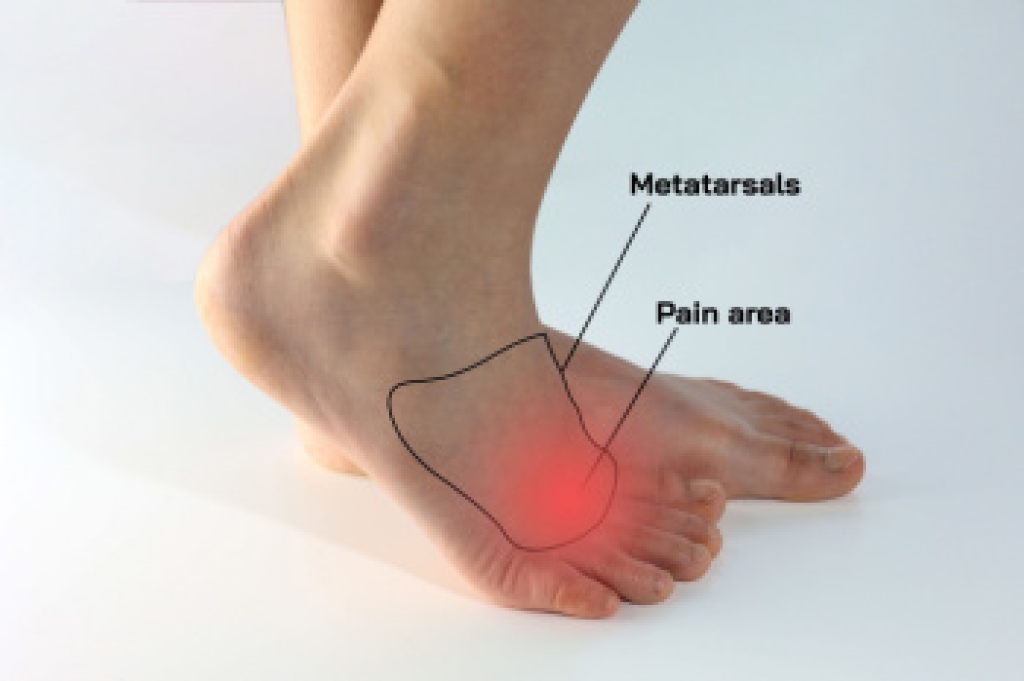
Plantar digital neuroma, also known as Morton's neuroma, is characterized by the thickening of the tissue surrounding the nerves that run between the toes, most often affecting the area between the third and fourth toes. This thickening can cause compression and irritation of the nerve, leading to pain and discomfort. Individuals with plantar digital neuroma typically experience sharp or burning pain in the ball of the foot, tingling or numbness in the toes, and the sensation of standing on a pebble or fold in a sock. Pain may worsen with walking, wearing tight or narrow shoes, or squeezing the forefoot. The discomfort associated with Morton’s neuroma can be disruptive to daily activities and may worsen over time if left untreated. Recognizing the symptoms of plantar digital neuroma is essential for seeking proper diagnosis and treatment to alleviate pain and restore foot health. If you have pain or discomfort between your third and fourth toes, it is suggested that you consult a podiatrist who can confirm Morton's neuroma, and offer correct treatment solutions.
Morton’s neuroma is a very uncomfortable condition to live with. If you think you have Morton’s neuroma, contact Charles Oehrlein, DPM of Hoover Foot Care. Our practitioner will attend to all of your foot care needs and answer any of your related questions.
Morton’s Neuroma
Morton's neuroma is a painful foot condition that commonly affects the areas between the second and third or third and fourth toe, although other areas of the foot are also susceptible. Morton’s neuroma is caused by an inflamed nerve in the foot that is being squeezed and aggravated by surrounding bones.
What Increases the Chances of Having Morton’s Neuroma?
Morton’s neuroma is a very treatable condition. Orthotics and shoe inserts can often be used to alleviate the pain on the forefront of the feet. In more severe cases, corticosteroids can also be prescribed. In order to figure out the best treatment for your neuroma, it’s recommended to seek the care of a podiatrist who can diagnose your condition and provide different treatment options.
If you have any questions, please feel free to contact our office located in Hoover, Oneonta, and Munford, AL . We offer the newest diagnostic and treatment technologies for all your foot care needs.
Connect With Us
