Essential Wound Care for Your Feet

Your feet are your constant companions, carrying you through life's journey. When injuries occur, proper wound care is vital to ensure a speedy recovery and prevent complications. The following are steps that can be taken for proper wound care. Begin by washing your hands thoroughly with soap and water to avoid introducing bacteria into the wound. Gently cleanse the affected area with mild soap and warm water, patting it dry with a clean towel. Bleeding can be controlled by applying gentle pressure with a clean cloth or sterile gauze. Using an antiseptic solution or ointment can help to disinfect the wound and minimize the risk of infection. This can be followed by applying an adhesive bandage or sterile dressing to shield the wound from dirt and friction. Change the dressing regularly and keep an eye on any signs of infection, such as increased redness, swelling, or discharge. By following these simple wound care steps, you can safeguard the health of your feet. If the bleeding persists or the wound is deep, it is suggested to seek prompt medical attention from a podiatrist.

Wound care is an important part in dealing with diabetes. If you have diabetes and a foot wound or would like more information about wound care for diabetics, consult with Charles Oehrlein, DPM from Hoover Foot Care. Our practitioner will assess your condition and provide you with quality foot and ankle treatment.

What Is Wound Care?

Wound care is the practice of taking proper care of a wound. This can range from the smallest to the largest of wounds. While everyone can benefit from proper wound care, it is much more important for diabetics. Diabetics often suffer from poor blood circulation which causes wounds to heal much slower than they would in a non-diabetic. 

What Is the Importance of Wound Care?

While it may not seem apparent with small ulcers on the foot, for diabetics, any size ulcer can become infected. Diabetics often also suffer from neuropathy, or nerve loss. This means they might not even feel when they have an ulcer on their foot. If the wound becomes severely infected, amputation may be necessary. Therefore, it is of the upmost importance to properly care for any and all foot wounds.

How to Care for Wounds

The best way to care for foot wounds is to prevent them. For diabetics, this means daily inspections of the feet for any signs of abnormalities or ulcers. It is also recommended to see a podiatrist several times a year for a foot inspection. If you do have an ulcer, run the wound under water to clear dirt from the wound; then apply antibiotic ointment to the wound and cover with a bandage. Bandages should be changed daily and keeping pressure off the wound is smart. It is advised to see a podiatrist, who can keep an eye on it.

If you have any questions please contact our office located in Hoover, Oneonta, and Munford, AL . We offer the newest diagnostic and treatment technologies for all your foot and ankle needs.
Read more about Wound Care

Definition and Causes of Heel Spurs

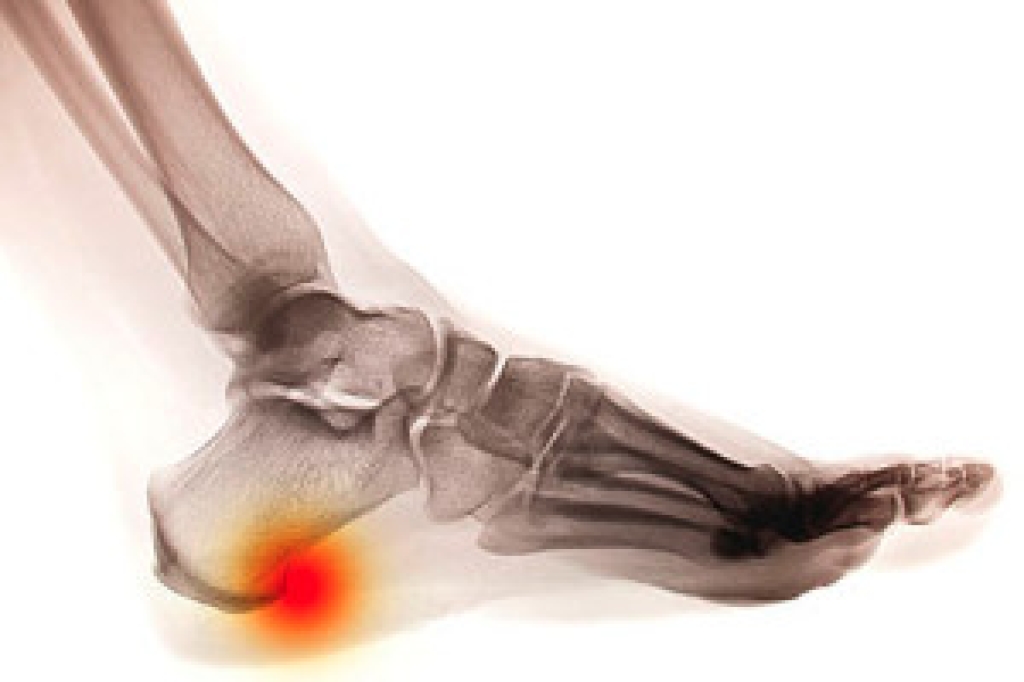
Many people think there is a mystery behind what heel spurs are and why they develop. Heel spurs form when our feet endure repeated stress and strain. A heel spur is defined as a small bone that protrudes from the underside of the heel. As we grow, our bones may develop bony growths that can be common around the heels. These growths are referred to as heel spurs and can be uncomfortable. Heel spurs seem to present as a warning sign the body provides to reduce excessive pressure on the heel. Activities such as running, dancing, or even wearing unsupportive shoes can contribute to the development of a heel spur. Certain factors can increase their likelihood, such as being overweight or having abnormal walking patterns. It is beneficial to be proactive in preventing heel spurs. Effective methods can include wearing supportive shoes and practicing proper foot stretching. If you have pain in your heel, it is suggested that you visit a podiatrist who can diagnose and treat heel spurs.

Heel spurs can be incredibly painful and sometimes may make you unable to participate in physical activities. To get medical care for your heel spurs, contact Charles Oehrlein, DPM from Hoover Foot Care. Our practitioner will do everything possible to treat your condition.

Heels Spurs

Heel spurs are formed by calcium deposits on the back of the foot where the heel is. This can also be caused by small fragments of bone breaking off one section of the foot, attaching onto the back of the foot. Heel spurs can also be bone growth on the back of the foot and may grow in the direction of the arch of the foot.

Older individuals usually suffer from heel spurs and pain sometimes intensifies with age. One of the main condition's spurs are related to is plantar fasciitis.

Pain

The pain associated with spurs is often because of weight placed on the feet. When someone is walking, their entire weight is concentrated on the feet. Bone spurs then have the tendency to affect other bones and tissues around the foot. As the pain continues, the feet will become tender and sensitive over time.

Treatments

There are many ways to treat heel spurs. If one is suffering from heel spurs in conjunction with pain, there are several methods for healing. Medication, surgery, and herbal care are some options.

If you have any questions, please feel free to contact our office located in Hoover, Oneonta, and Munford, AL . We offer the newest diagnostic and treatment technologies for all your foot care needs.

Read more about Heel Spurs

Stretches for Flat Feet

Flat feet are an abnormal foot structure the majority of babies are born with. The arch generally develops during the teenage years, and adults who have never developed an arch may have endured a foot injury, or it may have occurred from genetic reasons. There are some adults who have a consistent achy sensation with flat feet, and performing certain stretches may help to alleviate this. These exercises can help people who have full or partial flat feet, causing the arch to become stronger. A towel scrunch is done by sitting in a chair and having a towel lying at the feet. The towel is grabbed with the toes, inch by inch until it is completely under the foot. Stair raises are performed by standing on a step with the toes and balls of the feet. This is followed by pushing in and raising the heels into that air, and holding for several seconds. It is beneficial to repeat this as often as possible throughout the day. If you have flat feet and are looking for appropriate stretches to perform, it is suggested that you speak with a podiatrist who can help you with proper information.

Flatfoot is a condition many people suffer from. If you have flat feet, contact Charles Oehrlein, DPM from Hoover Foot Care. Our practitioner will treat your foot and ankle needs.

What Are Flat Feet?

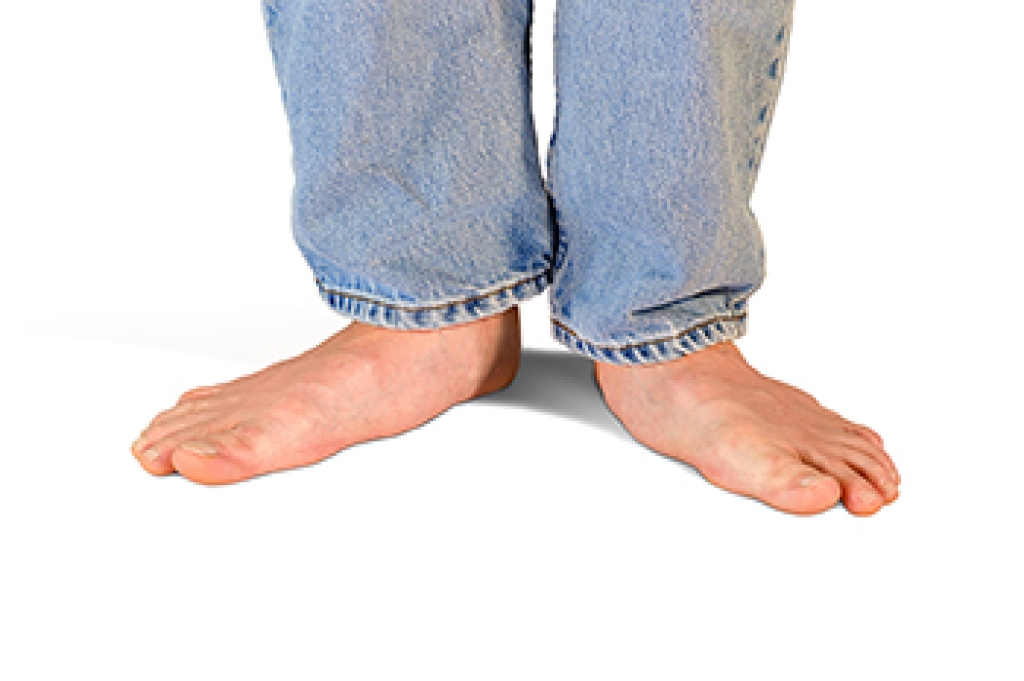
Flatfoot is a condition in which the arch of the foot is depressed and the sole of the foot is almost completely in contact with the ground. About 20-30% of the population generally has flat feet because their arches never formed during growth.

Conditions & Problems:

Having flat feet makes it difficult to run or walk because of the stress placed on the ankles.

Alignment – The general alignment of your legs can be disrupted, because the ankles move inward which can cause major discomfort.

Knees – If you have complications with your knees, flat feet can be a contributor to arthritis in that area.  

Symptoms

  • Pain around the heel or arch area
  • Trouble standing on the tip toe
  • Swelling around the inside of the ankle
  • Flat look to one or both feet
  • Having your shoes feel uneven when worn

Treatment

If you are experiencing pain and stress on the foot you may weaken the posterior tibial tendon, which runs around the inside of the ankle. 

If you have any questions, please feel free to contact our office located in Hoover, Oneonta, and Munford, AL . We offer the newest diagnostic and treatment technologies for all your foot care needs.

Read more about Flat Feet

Falling Has Increased Across the Globe

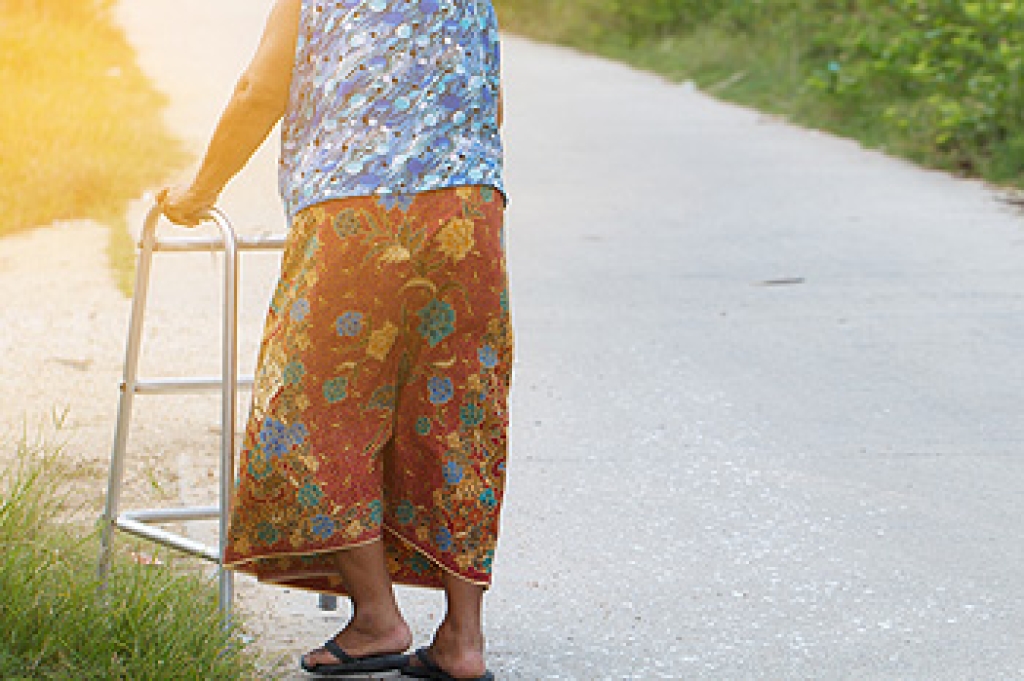
Research has shown millions of people fall every year, which could lead to disabilities or even death. Over the last 20 years the number of falls has increased more rapidly than any other type of injury, according to world health experts. It is beneficial to have programs in place that can teach balance and strength training to older individuals. Tai chi and yoga, which can fall into these categories, may improve overall health in addition to preventing falls. Many falls happen in the home, and installing grab bars in the toilet and shower areas may help to reduce these accidents. Additionally, it can help to replace worn rugs and improve lighting in the living areas. Falling can affect the feet, and it is crucial to avoid injuring the toes or feet. If you would like to learn more about effective fall prevention techniques, it is suggested that you speak with a podiatrist. 

Preventing falls among the elderly is very important. If you are older and have fallen or fear that you are prone to falling, consult with Charles Oehrlein, DPM from Hoover Foot Care. Our practitioner will assess your condition and provide you with quality advice and care.

Every 11 seconds, an elderly American is being treated in an emergency room for a fall related injury. Falls are the leading cause of head and hip injuries for those 65 and older. Due to decreases in strength, balance, senses, and lack of awareness, elderly persons are very susceptible to falling. Thankfully, there are a number of things older persons can do to prevent falls.

How to Prevent Falls

Some effective methods that older persons can do to prevent falls include:

  • Enrolling in strength and balance exercise program to increase balance and strength
  • Periodically having your sight and hearing checked
  • Discuss any medications you have with a doctor to see if it increases the risk of falling
  • Clearing the house of falling hazards and installing devices like grab bars and railings
  • Utilizing a walker or cane
  • Wearing shoes that provide good support and cushioning
  • Talking to family members about falling and increasing awareness

Falling can be a traumatic and embarrassing experience for elderly persons; this can make them less willing to leave the house, and less willing to talk to someone about their fears of falling. Doing such things, however, will increase the likelihood of tripping or losing one’s balance. Knowing the causes of falling and how to prevent them is the best way to mitigate the risk of serious injury.  

If you have any questions, please feel free to contact our office located in Hoover, Oneonta, and Munford, AL . We offer the newest diagnostic and treatment technologies for all your foot care needs.

Read more about Falls Prevention

Treat Your Feet to a Medical Pedicure

A medical pedicure is a specialized foot care treatment that combines traditional pedicure techniques with medical expertise to address various foot conditions. These treatments can help improve foot health, reduce pain, prevent infections, and promote relaxation.

Connect With Us

scroll to top