Complications From Athlete’s Foot Blisters

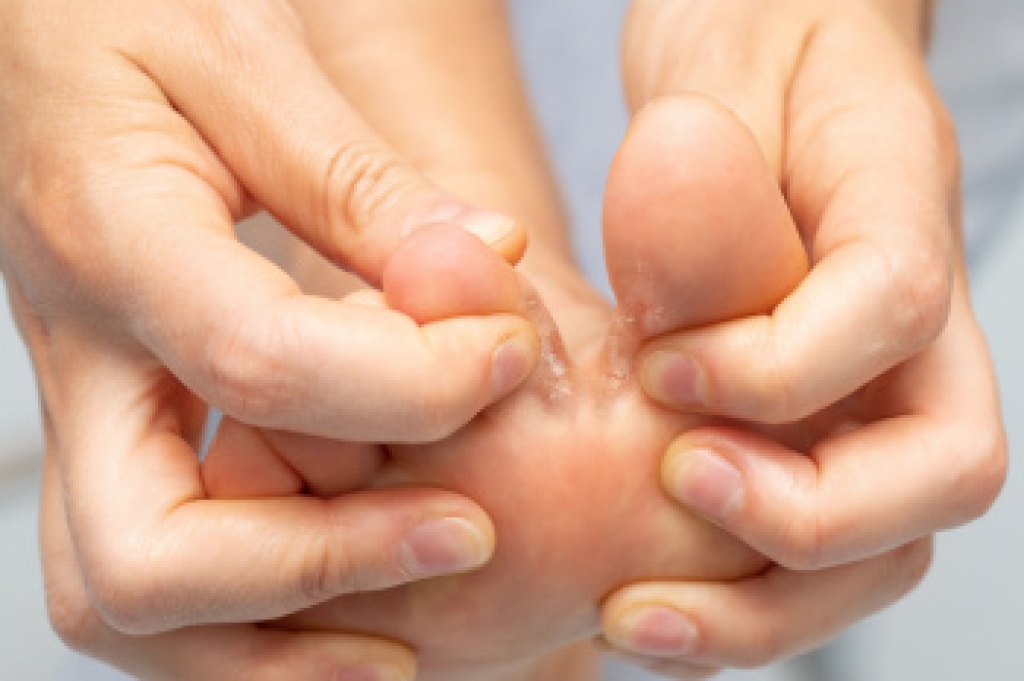
Athlete’s foot can lead to painful blisters that form on the soles of the feet or between the toes. These blisters, often filled with clear or yellowish fluid, may occur even in areas without friction and can become more than just a source of discomfort. When athlete's foot blisters break open, they expose the skin to bacteria, increasing the chance of infection. Signs of a developing bacterial infection may include redness, swelling, pus, or a sensation of warmth in the affected area. In more serious cases, the infection can spread deeper into the foot or affect nearby lymph nodes. These blisters should not be popped, as removing the protective layer increases the risk of complications. Ongoing exposure to moisture and fungi may also lead to repeat infections or allergic reactions, further irritating the skin. A podiatrist can assess blistering caused by athlete’s foot, identify signs of infection, and recommend appropriate treatment. If blisters from an athlete's foot infection are causing problems, it is suggested that you schedule an appointment with a podiatrist for appropriate treatment options.

Athlete’s Foot

Athlete’s foot is often an uncomfortable condition to experience. Thankfully, podiatrists specialize in treating athlete’s foot and offer the best treatment options. If you have any questions about athlete’s foot, consult with Charles Oehrlein, DPM from Hoover Foot Care. Our practitioner will assess your condition and provide you with quality treatment.

What Is Athlete’s Foot?

Tinea pedis, more commonly known as athlete’s foot, is a non-serious and common fungal infection of the foot. Athlete’s foot is contagious and can be contracted by touching someone who has it or infected surfaces. The most common places contaminated by it are public showers, locker rooms, and swimming pools. Once contracted, it grows on feet that are left inside moist, dark, and warm shoes and socks.

Prevention

The most effective ways to prevent athlete’s foot include:

  • Thoroughly washing and drying feet
  • Avoid going barefoot in locker rooms and public showers
  • Using shower shoes in public showers
  • Wearing socks that allow the feet to breathe
  • Changing socks and shoes frequently if you sweat a lot

Symptoms

Athlete’s foot initially occurs as a rash between the toes. However, if left undiagnosed, it can spread to the sides and bottom of the feet, toenails, and if touched by hand, the hands themselves. Symptoms include:

  • Redness
  • Burning
  • Itching
  • Scaly and peeling skin

Diagnosis and Treatment

Diagnosis is quick and easy. Skin samples will be taken and either viewed under a microscope or sent to a lab for testing. Sometimes, a podiatrist can diagnose it based on simply looking at it. Once confirmed, treatment options include oral and topical antifungal medications.

If you have any questions, please feel free to contact our office located in Hoover, Oneonta, and Munford, AL . We offer the newest diagnostic and treatment technologies for all your foot care needs.

Read more about How to Deal with Athlete's Foot

Do Your Child's Feet Hurt?

Have your child's feet been examined lately? Healthy feet are happy feet. If your child is complaining of foot pain, it may be a sign of underlying problems.

Pros and Cons of Ankle Replacement Surgery

Ankle replacement surgery involves removing damaged cartilage and bone from the ankle joint and replacing them with a metal and plastic implant to relieve pain and improve movement. This procedure is often recommended for people with severe arthritis, deformity, or joint damage that limits walking. A major benefit of ankle replacement surgery is the ability to maintain ankle flexibility, unlike ankle fusion which stiffens the joint. It can also improve balance and reduce stress on nearby foot joints. However, this type of surgery is not suitable for everyone. People with diabetes-related nerve damage, poor blood flow, or severe ankle instability may face a higher risk of complications. Possible risks include infection, nerve injury, implant loosening, and eventual need for revision surgery. Long-term success depends on proper healing and ongoing monitoring. A podiatrist can assess whether ankle replacement is appropriate based on foot structure, health history, and mobility goals. If you have ankle pain that may involve joint replacement, it is suggested that you schedule an appointment with a podiatrist for appropriate treatment options.

In certain cases, in which the patient suffers from extreme pain or damage in a joint, joint replacement surgery may be deemed useful. If you have constant pain in a foot joint, consult with Charles Oehrlein, DPM from Hoover Foot Care. Our practitioner will assess your condition and provide you with quality foot and ankle treatment.

What Is Joint Replacement Surgery?

Over time, joints wear down; this can be exacerbated by diseases and conditions. Joint replacement surgery, also known as arthroplasty, is when a damaged joint is surgically removed and replaced with a prosthesis. Prostheses, which can be made of ceramic, plastic, or metal, act as joints in lieu of an actual joint. One of the most prevalent causes for joint replacement is arthritis.

Arthritis in the Foot

Arthritis can occur in any joint in the body, including in the feet. Common types of arthritis in the foot are osteoarthritis, rheumatoid arthritis, and gout. The big toe is usually where arthritis occurs in the foot; this is known as hallux rigidus.

Joint Replacement Surgery in the Foot

The most common form of joint replacement in the foot is a first metatarsophalangeal (MTP) joint placement. MTP joint replacement surgery is designed to treat hallux rigidus. Surgery is not intensive, and recovery occurs within one to two months after the procedure has been done. Overall, joint replacement surgery is a safe and effective way to treat pain in the joint of the foot.

If you have any questions, please feel free to contact our office located in Hoover, Oneonta, and Munford, AL . We offer the newest diagnostic and treatment technologies for all your foot care needs.
Read more about Joint Replacement Surgery

High Heels and Foot Health

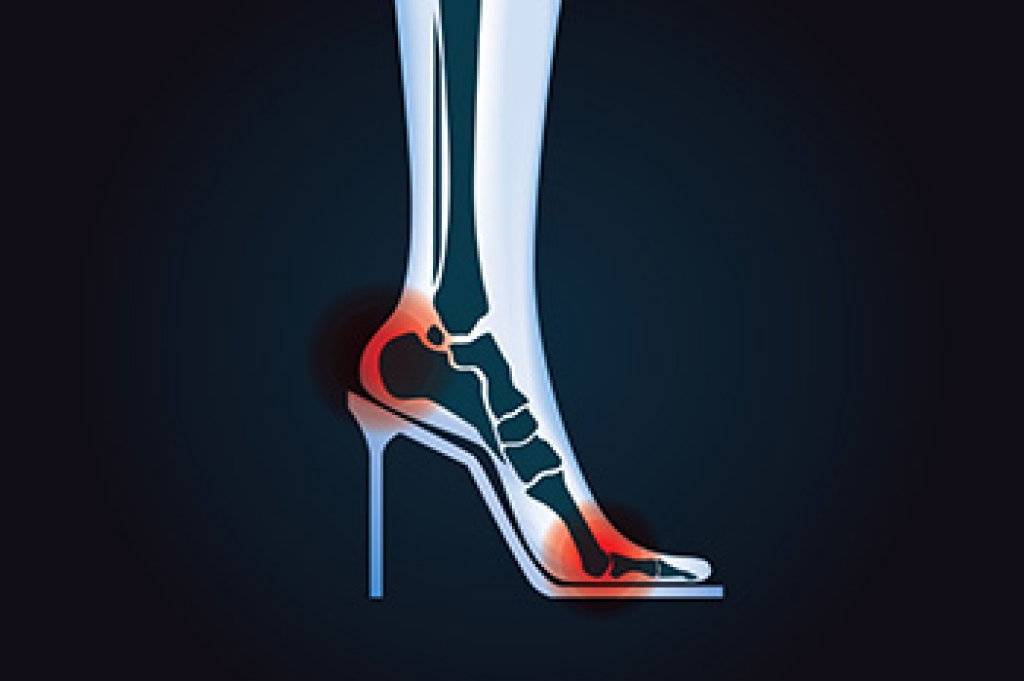
Wearing high heels alters the natural alignment of the foot and affects overall biomechanics. The elevated heel shifts body weight forward, placing excessive pressure on the forefoot and toes. This can lead to conditions such as bunions, hammertoes, and metatarsalgia, or ball of the foot pain. The gait cycle is also affected, as the shortened heel contact phase reduces shock absorption and stability. Over time, muscles and tendons may become strained, and posture may shift to compensate for the imbalance. These changes can lead to discomfort in the feet, knees, hips, and lower back. A podiatrist can assess these issues, provide supportive footwear recommendations, custom orthotics, and strategies to minimize long-term damage caused by frequent high heel use. If you have developed foot pain from wearing high heels, it is suggested that you contact a podiatrist who can provide relief tips.

High heels have a history of causing foot and ankle problems. If you have any concerns about your feet or ankles, contact Charles Oehrlein, DPM from Hoover Foot Care. Our practitioner can provide the care you need to keep you pain-free and on your feet.

Effects of High Heels on the Feet

High heels are popular shoes among women because of their many styles and societal appeal.  Despite this, high heels can still cause many health problems if worn too frequently.

Which Parts of My Body Will Be Affected by High Heels?

  • Ankle Joints
  • Achilles Tendon – May shorten and stiffen with prolonged wear
  • Balls of the Feet
  • Knees – Heels cause the knees to bend constantly, creating stress on them
  • Back – They decrease the spine’s ability to absorb shock, which may lead to back pain.  The vertebrae of the lower back may compress.

What Kinds of Foot Problems Can Develop from Wearing High Heels?

  • Corns
  • Calluses
  • Hammertoe
  • Bunions
  • Morton’s Neuroma
  • Plantar Fasciitis

How Can I Still Wear High Heels and Maintain Foot Health?

If you want to wear high heeled shoes, make sure that you are not wearing them every day, as this will help prevent long term physical problems.  Try wearing thicker heels as opposed to stilettos to distribute weight more evenly across the feet.  Always make sure you are wearing the proper shoes for the right occasion, such as sneakers for exercising.  If you walk to work, try carrying your heels with you and changing into them once you arrive at work.  Adding inserts to your heels can help cushion your feet and absorb shock. Full foot inserts or metatarsal pads are available. 

If you have any questions, please feel free to contact our office located in Hoover, Oneonta, and Munford, AL . We offer the newest diagnostic and treatment technologies for all your foot care needs.
Read more about Effect of High Heels on the Feet

Plantar Fasciitis and Common Risk Factors

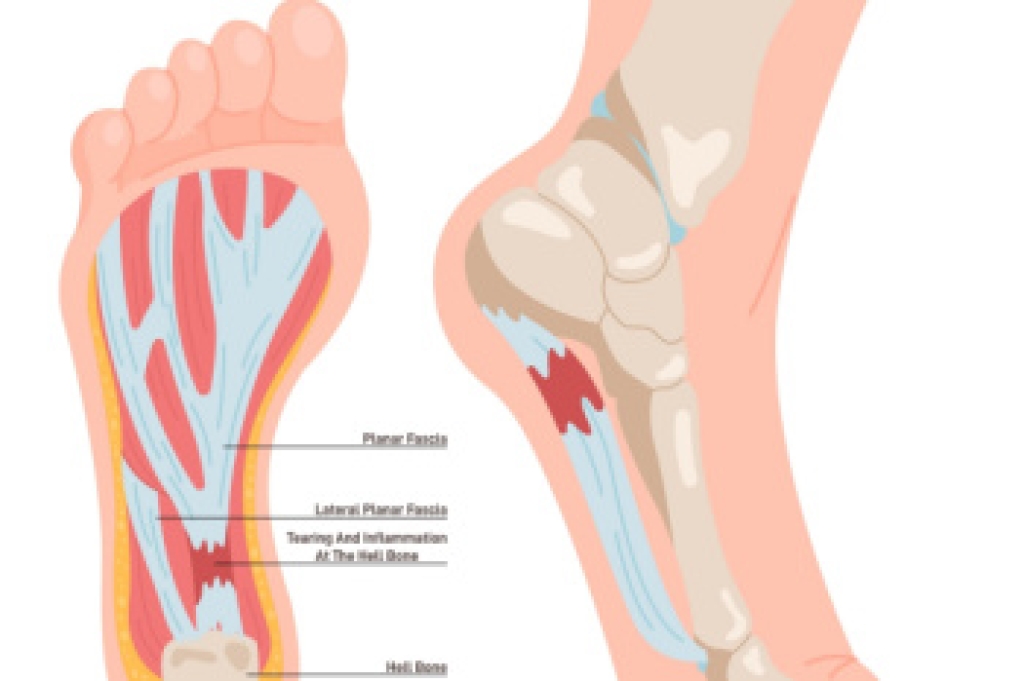
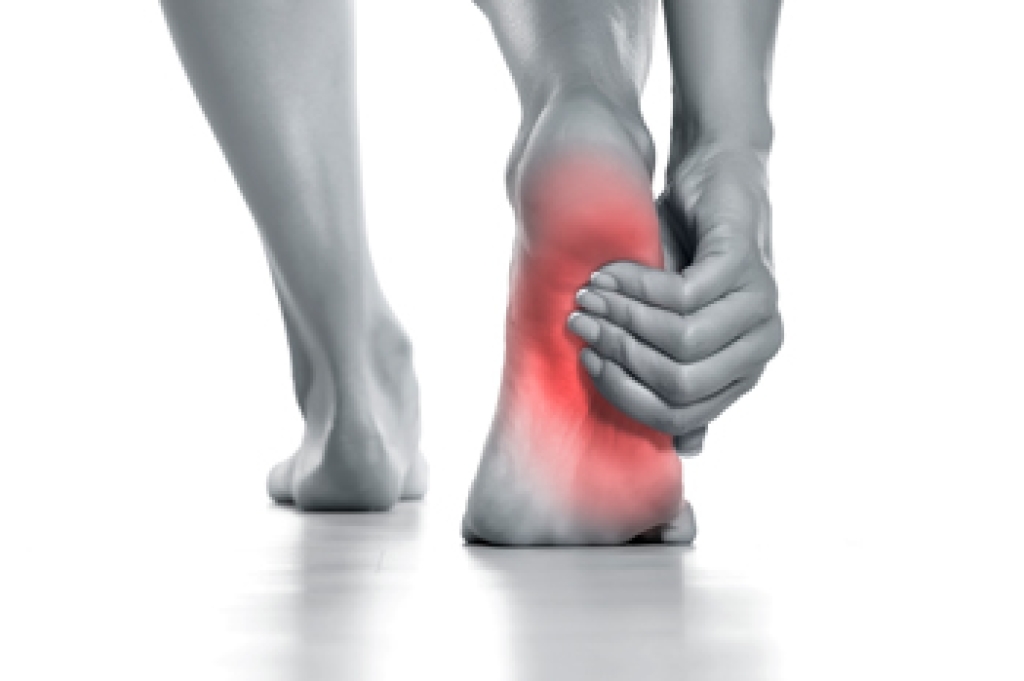
Plantar fasciitis is the inflammation of the plantar fascia, a thick band of tissue that connects the heel bone to the toes and supports the arch of the foot. This condition is a common source of heel pain, especially during the first steps in the morning or after long periods of rest. Symptoms may include sharp or aching pain in the heel or arch of the foot, often worsening with activity. Risk factors for developing plantar fasciitis include prolonged standing, high-impact activities, obesity, and wearing unsupportive footwear. Individuals with flat feet or high arches may also be more prone to this condition. If you have heel pain, it is suggested that you contact a podiatrist sooner rather than later who can accurately diagnose and treat plantar fasciitis.

Plantar fasciitis is a common foot condition that is often caused by a strain injury. If you are experiencing heel pain or symptoms of plantar fasciitis, contact Charles Oehrlein, DPM from Hoover Foot Care. Our practitioner can provide the care you need to keep you pain-free and on your feet.

What Is Plantar Fasciitis?

Plantar fasciitis is one of the most common causes of heel pain. The plantar fascia is a ligament that connects your heel to the front of your foot. When this ligament becomes inflamed, plantar fasciitis is the result. If you have plantar fasciitis you will have a stabbing pain that usually occurs with your first steps in the morning. As the day progresses and you walk around more, this pain will start to disappear, but it will return after long periods of standing or sitting.

What Causes Plantar Fasciitis?

  • Excessive running
  • Having high arches in your feet
  • Other foot issues such as flat feet
  • Pregnancy (due to the sudden weight gain)
  • Being on your feet very often

There are some risk factors that may make you more likely to develop plantar fasciitis compared to others. The condition most commonly affects adults between the ages of 40 and 60. It also tends to affect people who are obese because the extra pounds result in extra stress being placed on the plantar fascia.

Prevention

  • Take good care of your feet – Wear shoes that have good arch support and heel cushioning.
  • Maintain a healthy weight
  • If you are a runner, alternate running with other sports that won’t cause heel pain

There are a variety of treatment options available for plantar fasciitis along with the pain that accompanies it. Additionally, physical therapy is a very important component in the treatment process. It is important that you meet with your podiatrist to determine which treatment option is best for you.

If you have any questions, please feel free to contact our office located in Hoover, Oneonta, and Munford, AL . We offer the newest diagnostic and treatment technologies for all your foot care needs.
 

Read more about Plantar Fasciitis

What Is a Curled Toenail?

Curled toenails, also known as involuted or pincer nails, occur when the sides of the nail begin to curve inward, sometimes digging into the surrounding skin. This condition can be caused by genetics, wearing improper footwear that puts pressure on the toes, or fungal infections that can gradually distort nail shape. Other causes may include trauma or long-term neglect of proper nail care. Symptoms can range from mild discomfort to sharp pain, especially when walking or wearing tight shoes. The skin around the nail may become red, tender, or swollen, and, in some cases, an infection may develop. A podiatrist can assess the severity and underlying cause of the curled toenail. Treatment options include trimming and reshaping the nail, treating fungal infections, recommending proper footwear, or using special devices to gradually correct the nail’s shape. In more severe cases, partial nail removal or minor procedures may be necessary. If you are experiencing this condition, it is suggested that you schedule an appointment with a podiatrist for appropriate treatment.

Ingrown toenails may initially present themselves as a minor discomfort, but they may progress into an infection in the skin without proper treatment. For more information about ingrown toenails, contact Charles Oehrlein, DPM of Hoover Foot Care. Our practitioner can provide the care you need to keep you pain-free and on your feet.

Ingrown Toenails

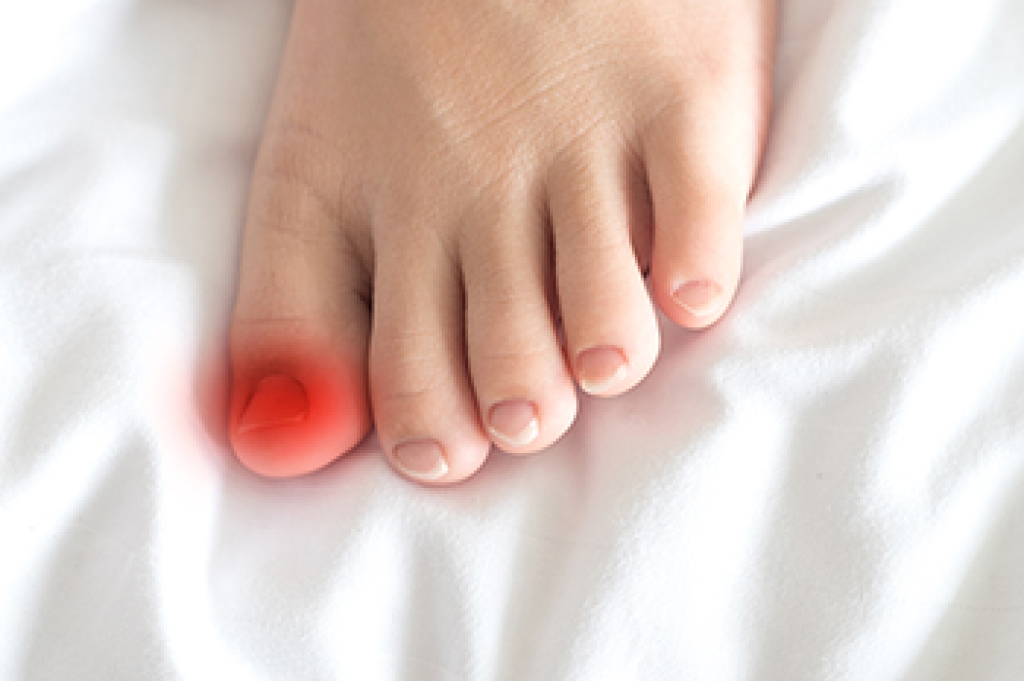
Ingrown toenails are caused when the corner or side of a toenail grows into the soft flesh surrounding it. They often result in redness, swelling, pain, and in some cases, infection. This condition typically affects the big toe and may recur if it is not treated properly.

Causes

  • Improper toenail trimming
  • Genetics
  • Improper shoe fitting
  • Injury from pedicures or nail picking
  • Abnormal gait
  • Poor hygiene

You are more likely to develop an ingrown toenail if you are obese, have diabetes, arthritis, or have any fungal infection in your nails. Additionally, people who have foot or toe deformities are at a higher risk of developing an ingrown toenail.

Symptoms

Some symptoms of ingrown toenails are redness, swelling, and pain. In rare cases, there may be a yellowish drainage coming from the nail.

Treatment

Ignoring an ingrown toenail can have serious complications. Infections of the nail border can progress to a deeper soft-tissue infection, which can then turn into a bone infection. You should always speak with your podiatrist if you suspect you have an ingrown toenail, especially if you have diabetes or poor circulation.

If you have any questions, please feel free to contact our office located in Hoover, Oneonta, and Munford, AL . We offer the newest diagnostic and treatment technologies for all your foot care needs.
Read more about Ingrown Toenails

Three Common Foot Disorders

Bunions, plantar fasciitis, and Morton’s neuroma are common foot disorders that cause pain and difficulty walking. A bunion occurs when the big toe deviates from  the smaller toes, creating a bony bump at the base of the joint. A podiatrist can recommend modifying footwear, using orthotic devices, or, in persistent cases, performing surgery to correct the deformity. Plantar fasciitis, a painful inflammation of the connective tissue along the bottom of the foot, often causes heel pain, especially after periods of rest. Treatment includes stretching, wearing supportive footwear, orthotic inserts, or surgery, if symptoms remain after more conservative care. Morton’s neuroma involves thickening of nerve tissue between the toes, often leading to burning pain or numbness in the ball of the foot. A podiatrist may suggest shoe modifications, metatarsal pads, or carefully considered injections. If necessary, surgery may be needed to remove the affected nerve. If you regularly experience foot pain, it is suggested that you schedule an appointment with a podiatrist for a diagnosis and appropriate treatment.

Foot Pain

Foot pain can be extremely painful and debilitating. If you have a foot pain, consult with Charles Oehrlein, DPM from Hoover Foot Care. Our practitioner will assess your condition and provide you with quality foot and ankle treatment.

Causes

Foot pain is a very broad condition that could be caused by one or more ailments. The most common include:

  • Bunions
  • Hammertoes
  • Plantar Fasciitis
  • Bone Spurs
  • Corns
  • Tarsal Tunnel Syndrome
  • Ingrown Toenails
  • Arthritis (such as Gout, Rheumatoid, and Osteoarthritis)
  • Flat Feet
  • Injury (from stress fractures, broken toe, foot, ankle, Achilles tendon ruptures, and sprains)
  • And more

Diagnosis

To figure out the cause of foot pain, podiatrists utilize several different methods. This can range from simple visual inspections and sensation tests to X-rays and MRI scans. Prior medical history, family medical history, and any recent physical traumatic events will all be taken into consideration for a proper diagnosis.

Treatment

Treatment depends upon the cause of the foot pain. Whether it is resting, staying off the foot, or having surgery; podiatrists have a number of treatment options available for foot pain.

If you have any questions, please feel free to contact our office located in Hoover, Oneonta, and Munford, AL . We offer the newest diagnostic and treatment technologies for all your foot care needs.

Read more about Foot Pain

Why Live with Pain and Numbness in Your Feet?

Suffering from this type of pain? You may have the foot condition known as Morton's neuroma. Morton's neuroma may develop as a result of ill-fitting footwear and existing foot deformities. We can help.

Common Causes of Foot Pain Among Elderly People

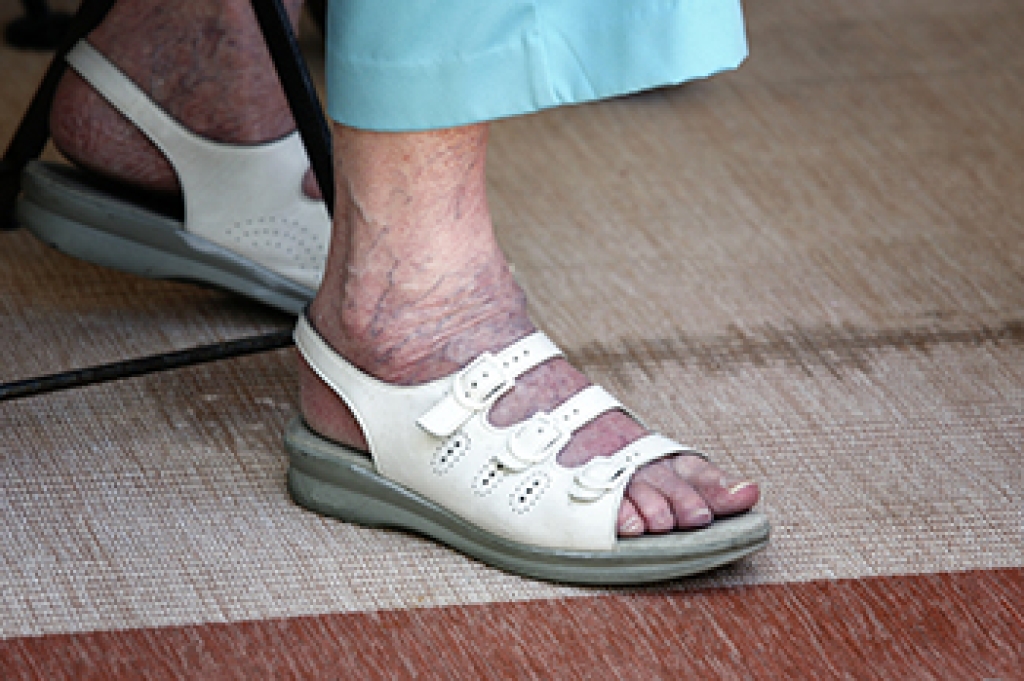
Foot pain is a frequent complaint among elderly individuals and can significantly affect mobility and independence. One common cause is hallux valgus, a deformity of the big toe joint that often leads to bunions, swelling, and discomfort when walking. Abnormal structure of the medial arch can also contribute to pain, especially if the arch is excessively high or collapsed, placing extra strain on other parts of the foot. Neurological disorders, such as peripheral neuropathy or spinal issues, can lead to altered sensation, burning pain, or muscle weakness in the feet. These conditions often interfere with balance and walking. If you are a senior or caring for an older person and have foot pain, it is suggested that you visit a podiatrist who can treat various foot conditions.

If you need your feet checked, contact Charles Oehrlein, DPM of Hoover Foot Care. Our practitioner will attend to all of your foot and ankle needs and provide you with quality treatment.

Geriatrics and Podiatry
When people age, some common issues that may occur are bone density loss, dry skin, poor circulation, and rough brittle nails. These issues may also affect your foot health if the necessary steps are not taken to alleviate the problems.

It is important to take care of your feet because feet that are injured or diseased can affect your overall health. Having painful feet hinders your ability to do daily activities or may decrease your willingness to do the things that you need to do.

Visiting Your Geriatrician
As we age, health problems become more likely, so it is essential to visit your doctor for check-ups to ensure that you are doing the best you can to take care of your health. It is recommended to check your feet frequently for any possible cuts, bruises, swelling, corns or any other irregularities. 

Taking Care of Elderly Feet
Cracked or dry feet can be treated by applying moisturizer often. It is also important not to wear old socks because the older the sock is, the higher the possibility there will be that there is bacteria there. Wear fresh socks and make sure they fit properly.

Proper foot health means that you can have a more active lifestyle and you will not be bogged down by pain. Foot health also leads to good circulation, which is paramount for overall health.

If you have any questions, please feel free to contact our office located in Hoover, Oneonta, and Munford, AL . We offer the newest diagnostic and treatment technologies for all your foot care needs.
Read more about Geriatrics and Podiatry

Morton’s Neuroma Facts

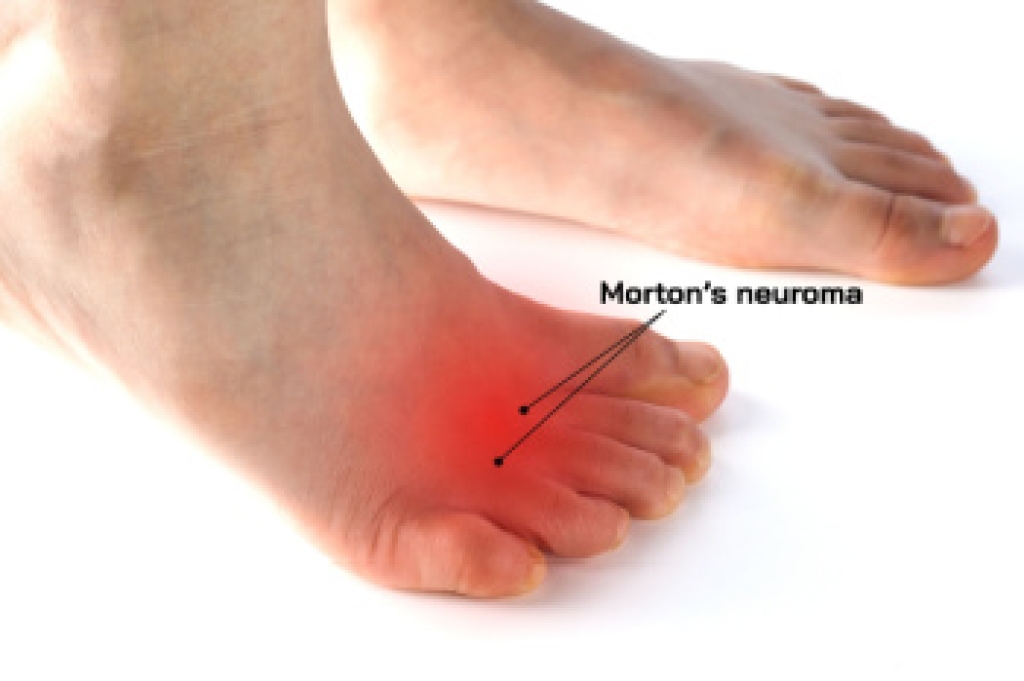
Morton's neuroma is a painful condition involving the thickening of tissue surrounding one of the nerves leading to the toes, most commonly between the third and fourth toes. This irritation causes nerve compression, often resulting in a sharp, burning pain in the ball of the foot, as well as numbness or tingling in the toes. The condition can be triggered by repetitive stress, improper footwear, or foot deformities like flat feet or high arches. Wearing tight shoes or high heels can place added pressure on the forefoot, increasing the risk of developing this condition. Athletes who engage in high-impact sports may also be more vulnerable. If you have pain in this part of your foot, it is suggested that you promptly contact a podiatrist who can provide an accurate diagnosis and treatment.

Morton’s neuroma is a very uncomfortable condition to live with. If you think you have Morton’s neuroma, contact Charles Oehrlein, DPM of Hoover Foot Care. Our practitioner will attend to all of your foot care needs and answer any of your related questions.  

Morton’s Neuroma

Morton's neuroma is a painful foot condition that commonly affects the areas between the second and third or third and fourth toe, although other areas of the foot are also susceptible. Morton’s neuroma is caused by an inflamed nerve in the foot that is being squeezed and aggravated by surrounding bones.

What Increases the Chances of Having Morton’s Neuroma?

  • Ill-fitting high heels or shoes that add pressure to the toe or foot
  • Jogging, running or any sport that involves constant impact to the foot
  • Flat feet, bunions, and any other foot deformities

Morton’s neuroma is a very treatable condition. Orthotics and shoe inserts can often be used to alleviate the pain on the forefront of the feet. In more severe cases, corticosteroids can also be prescribed. In order to figure out the best treatment for your neuroma, it’s recommended to seek the care of a podiatrist who can diagnose your condition and provide different treatment options.

If you have any questions, please feel free to contact our office located in Hoover, Oneonta, and Munford, AL . We offer the newest diagnostic and treatment technologies for all your foot care needs.
Read more about Morton's Neuroma

Connect With Us

scroll to top