Foot or ankle pain can negatively affect your day-to-day life and can occur due to several different conditions. Pain can also be an indicator of a more serious underlying condition, which is why you should seek professional help as soon as you notice any abnormalities in your feet.
Toenail fungus, medically termed onychomycosis or tinea unguium, is a common fungal infection that affects approximately 14 percent of people, as reported by the Centers for Disease Control and Prevention. While typically not a serious health concern, toenail fungus can cause cosmetic issues as well as discomfort. There are various types of toenail fungus, each with distinct characteristics in symptoms and appearance. The most prevalent form is subungual onychomycosis, characterized by nail lifting, discoloration, and crumbling of the toenail. White superficial onychomycosis causes white, flaky patches on the nail surface, potentially progressing to rough and crumbly nails. Candida onychomycosis, caused by yeast, is more common in individuals with conditions like diabetes or compromised immune systems. This type of toenail fungus shows symptoms such as rough nails, surface breakdown, and soft tissue infection. An accurate diagnosis by a podiatrist is essential to determine the type of toenail fungus you may have incurred. With proper care and timely intervention, toenail fungus can be effectively managed. If you suspect you have a toenail fungus, it is suggested that you schedule an appointment with a podiatrist for an exam and treatment options appropriate to the cause.
If left untreated, toenail fungus may spread to other toenails, skin, or even fingernails. If you suspect you have toenail fungus it is important to seek treatment right away. For more information about treatment, contact Charles Oehrlein, DPM of Hoover Foot Care. Our practitioner can provide the care you need to keep you pain-free and on your feet.
Symptoms
Warped or oddly shaped nails
Yellowish nails
Loose/separated nail
Buildup of bits and pieces of nail fragments under the nail
Brittle, broken, thickened nail
Treatment
If self-care strategies and over-the-counter medications does not help your fungus, your podiatrist may give you a prescription drug instead. Even if you find relief from your toenail fungus symptoms, you may experience a repeat infection in the future.
Prevention
In order to prevent getting toenail fungus in the future, you should always make sure to wash your feet with soap and water. After washing, it is important to dry your feet thoroughly especially in between the toes. When trimming your toenails, be sure to trim straight across instead of in a rounded shape. It is crucial not to cover up discolored nails with nail polish because that will prevent your nail from being able to “breathe”.
In some cases, surgical procedure may be needed to remove the toenail fungus. Consult with your podiatrist about the best treatment options for your case of toenail fungus.
If you have any questions please contact our office located in Hoover,Oneonta, and Munford, AL. We offer the newest diagnostic and treatment technologies for all your foot and ankle needs.
Heel bone spurs, medically known as osteophytes, are abnormal growths that can result in pain and restricted movement. Often unnoticed until visible on an X-ray, heel bone spurs are associated with degenerative joint diseases, such as osteoarthritis, where the breakdown of joint cartilage prompts the body to form new bone as a reparative measure. This process leads to the development of bone spurs along the edges of affected joints, particularly in the heel region. Besides aging, various factors contribute to heel bone spurs, including injuries and overuse, common among runners and dancers. Other factors are hereditary predisposition, obesity, and congenital bone issues. Many people may have heel bone spurs without symptoms, but others can experience pain and loss of joint mobility if the spur rubs against bones or presses on a nerve. If you suspect you have a heel bone spur or are experiencing unexplained heel pain, it is suggested that you schedule an appointment with a podiatrist for a comprehensive evaluation and the appropriate treatment plan.
Heel spurs can be incredibly painful and sometimes may make you unable to participate in physical activities. To get medical care for your heel spurs, contact Charles Oehrlein, DPM from Hoover Foot Care. Our practitioner will do everything possible to treat your condition.
Heels Spurs
Heel spurs are formed by calcium deposits on the back of the foot where the heel is. This can also be caused by small fragments of bone breaking off one section of the foot, attaching onto the back of the foot. Heel spurs can also be bone growth on the back of the foot and may grow in the direction of the arch of the foot.
Older individuals usually suffer from heel spurs and pain sometimes intensifies with age. One of the main condition's spurs are related to is plantar fasciitis.
Pain
The pain associated with spurs is often because of weight placed on the feet. When someone is walking, their entire weight is concentrated on the feet. Bone spurs then have the tendency to affect other bones and tissues around the foot. As the pain continues, the feet will become tender and sensitive over time.
Treatments
There are many ways to treat heel spurs. If one is suffering from heel spurs in conjunction with pain, there are several methods for healing. Medication, surgery, and herbal care are some options.
If you have any questions, please feel free to contact our office located in Hoover,Oneonta, and Munford, AL. We offer the newest diagnostic and treatment technologies for all your foot care needs.
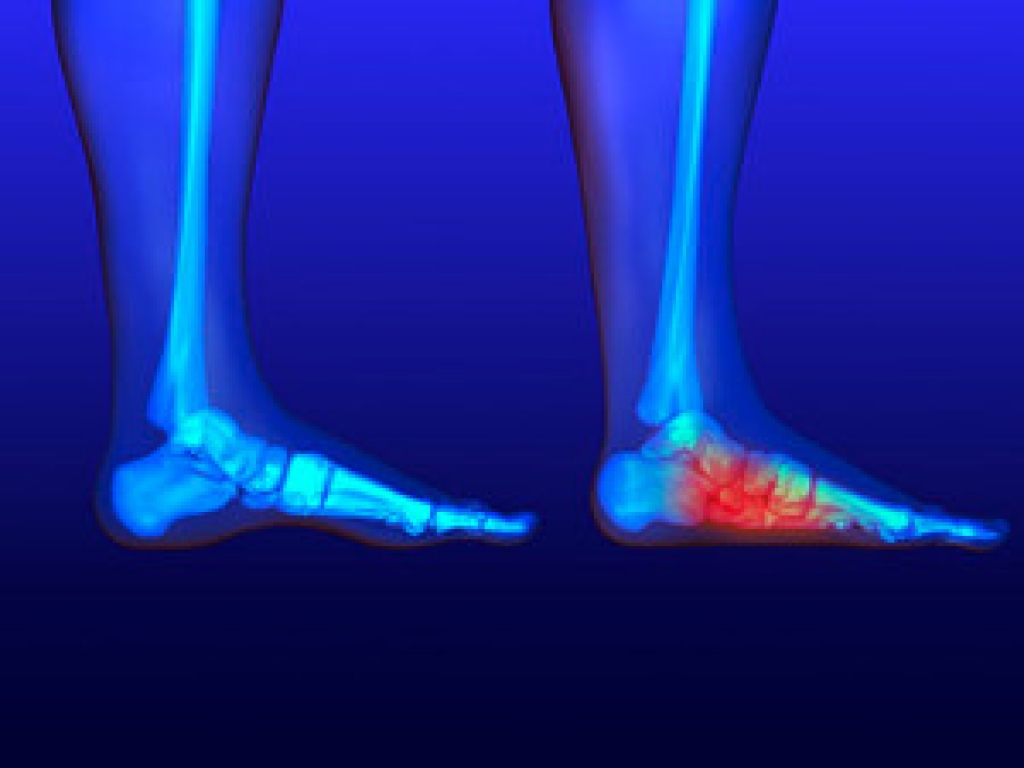
Pes planus, commonly known as flat foot, is a condition where the arch of the foot is lower or in contact with the ground when compared to the typical foot structure. It is important to note that infants are born with flexible flat feet. Arch development usually begins at approximately 3 years of age, and reaches adult levels in arch height between 7 and 10 years old. Flexible flat feet can be developmental in infants and toddlers but may be considered true flat feet by age 8 to 10. On the other hand, rigid flat feet are associated with underlying pathology and lack the longitudinal arches both in heel elevation and weight bearing. Acquired flat feet can develop from various factors, particularly diabetes, which can affect the structure and functionality of the feet. Additionally, foot and ankle injuries can lead to the development of flat feet. Certain medical conditions, including arthritis, spina bifida, cerebral palsy, and muscular dystrophy, are also associated with acquired pes planus. Interestingly, pregnancy can be a factor in the development of flat feet due to the changes that occur in the body during this period. Regardless of the reason for your flat feet, if they are causing you problems, it is suggested that you schedule an appointment with a podiatrist who can help you to find relief.
Flatfoot is a condition many people suffer from. If you have flat feet, contact Charles Oehrlein, DPM from Hoover Foot Care. Our practitioner will treat your foot and ankle needs.
What Are Flat Feet?
Flatfoot is a condition in which the arch of the foot is depressed and the sole of the foot is almost completely in contact with the ground. About 20-30% of the population generally has flat feet because their arches never formed during growth.
Conditions & Problems:
Having flat feet makes it difficult to run or walk because of the stress placed on the ankles.
Alignment – The general alignment of your legs can be disrupted, because the ankles move inward which can cause major discomfort.
Knees – If you have complications with your knees, flat feet can be a contributor to arthritis in that area.
Symptoms
Pain around the heel or arch area
Trouble standing on the tip toe
Swelling around the inside of the ankle
Flat look to one or both feet
Having your shoes feel uneven when worn
Treatment
If you are experiencing pain and stress on the foot you may weaken the posterior tibial tendon, which runs around the inside of the ankle.
If you have any questions, please feel free to contact our office located in Hoover,Oneonta, and Munford, AL. We offer the newest diagnostic and treatment technologies for all your foot care needs.
Plantar fasciitis is prevalent in manufacturing environments, with several factors influencing its occurrence. These can include forefoot pronation during physical examination, high metatarsal pressure in gait assessments, and prolonged standing on hard surfaces. The rotation of footwear during the workweek appears to reduce the likelihood of developing plantar fasciitis. Using shoe orthoses with medial longitudinal arch and metatarsal pads can serve as a preventive or treatment approach. Implementing workstations that reduce the time spent walking or standing on hard surfaces, such as offering cushioning mats or alternating sitting and standing postures, may help lower the risk of plantar fasciitis. If you work in manufacturing and have developed heel pain, it is suggested that you schedule an appointment with a podiatrist for a proper diagnosis, treatment, and additional preventative advice.
Plantar fasciitis is a common foot condition that is often caused by a strain injury. If you are experiencing heel pain or symptoms of plantar fasciitis, contact Charles Oehrlein, DPM from Hoover Foot Care. Our practitioner can provide the care you need to keep you pain-free and on your feet.
What Is Plantar Fasciitis?
Plantar fasciitis is one of the most common causes of heel pain. The plantar fascia is a ligament that connects your heel to the front of your foot. When this ligament becomes inflamed, plantar fasciitis is the result. If you have plantar fasciitis you will have a stabbing pain that usually occurs with your first steps in the morning. As the day progresses and you walk around more, this pain will start to disappear, but it will return after long periods of standing or sitting.
What Causes Plantar Fasciitis?
Excessive running
Having high arches in your feet
Other foot issues such as flat feet
Pregnancy (due to the sudden weight gain)
Being on your feet very often
There are some risk factors that may make you more likely to develop plantar fasciitis compared to others. The condition most commonly affects adults between the ages of 40 and 60. It also tends to affect people who are obese because the extra pounds result in extra stress being placed on the plantar fascia.
Prevention
Take good care of your feet – Wear shoes that have good arch support and heel cushioning.
Maintain a healthy weight
If you are a runner, alternate running with other sports that won’t cause heel pain
There are a variety of treatment options available for plantar fasciitis along with the pain that accompanies it. Additionally, physical therapy is a very important component in the treatment process. It is important that you meet with your podiatrist to determine which treatment option is best for you.
If you have any questions, please feel free to contact our office located in Hoover,Oneonta, and Munford, AL. We offer the newest diagnostic and treatment technologies for all your foot care needs.