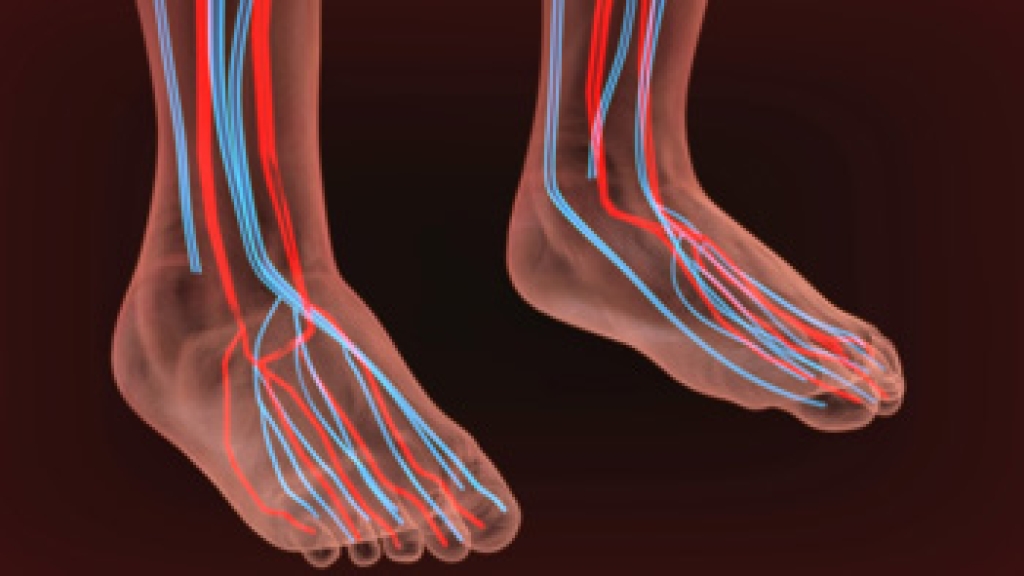
Causes of Poor Foot Circulation

Poor circulation in the feet occurs when blood flow is reduced, preventing tissues from receiving enough oxygen and nutrients. This condition can lead to discomfort and complications, if left untreated. Causes include peripheral artery disease, diabetes, smoking, and sitting for long periods of time. Symptoms may involve numbness, tingling, cold feet, swelling, or slow healing wounds. Risk factors include age, high cholesterol, obesity, and a sedentary lifestyle. A podiatrist can evaluate circulation, identify underlying issues, and recommend treatments such as lifestyle changes, footwear guidance, or medical treatments to improve blood flow. If you are experiencing signs of poor circulation in your feet, it is suggested that you consult a podiatrist who can help you to manage this condition.

While poor circulation itself isn’t a condition; it is a symptom of another underlying health condition you may have. If you have any concerns with poor circulation in your feet contact Charles Oehrlein, DPM of Hoover Foot Care. Our practitioner will treat your foot and ankle needs.

Poor Circulation in the Feet

Peripheral artery disease (PAD) can potentially lead to poor circulation in the lower extremities. PAD is a condition that causes the blood vessels and arteries to narrow. In a linked condition called atherosclerosis, the arteries stiffen up due to a buildup of plaque in the arteries and blood vessels. These two conditions can cause a decrease in the amount of blood that flows to your extremities, therefore resulting in pain.

Symptoms

Some of the most common symptoms of poor circulation are:

  • Numbness
  • Tingling
  • Throbbing or stinging pain in limbs
  • Pain
  • Muscle Cramps

Treatment for poor circulation often depends on the underlying condition that causes it. Methods for treatment may include insulin for diabetes, special exercise programs, surgery for varicose veins, or compression socks for swollen legs.

As always, see a podiatrist as he or she will assist in finding a regimen that suits you. A podiatrist can also prescribe you any needed medication. 

If you have any questions, please feel free to contact our office located in Hoover, Oneonta, and Munford, AL . We offer the newest diagnostic and treatment technologies for all your foot care needs.
Read more about Causes Symptoms and Treatment for Poor Circulation in the Feet

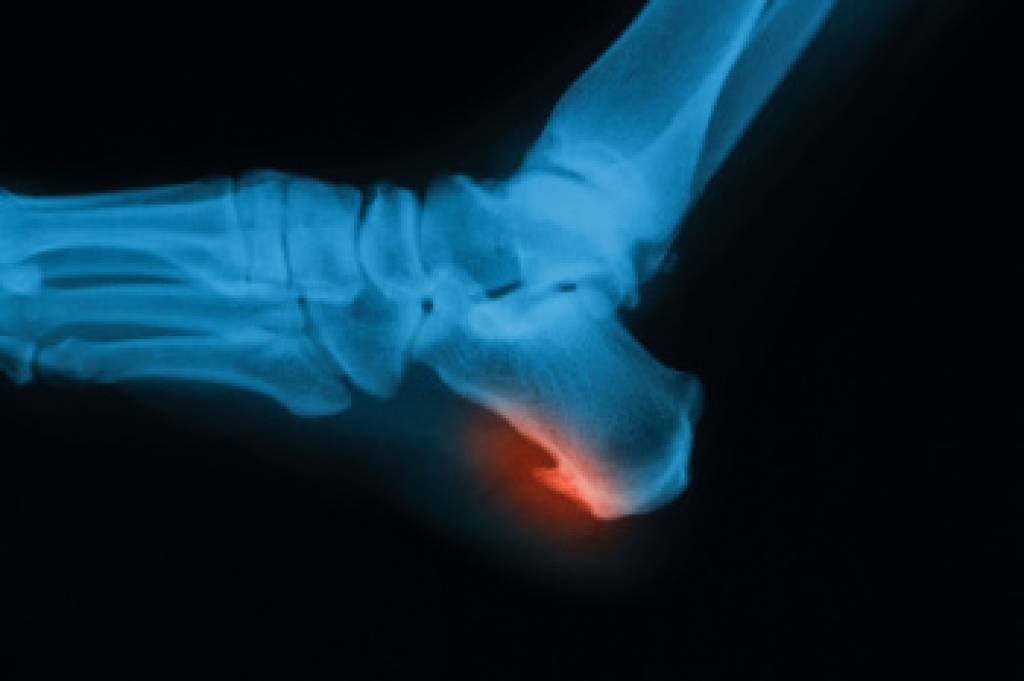
What Causes Heel Spurs?

Heel spurs are bony growths that develop on the underside of the heel bone, often forming in response to long-term strain on foot muscles and ligaments. They can be caused by weakened muscles that fail to properly support the foot, joint stiffness that alters walking patterns, and repeated forced impact from walking or standing on hard floors. These factors place extra stress on the heel, leading to inflammation and pain. A podiatrist can diagnose heel spurs through examination and imaging, then recommend treatments like custom orthotics, stretching exercises, and supportive footwear. If heel pain is affecting your daily life, it is suggested that you consult a podiatrist who can accurately diagnose and treat heel spurs.

Heel spurs can be incredibly painful and sometimes may make you unable to participate in physical activities. To get medical care for your heel spurs, contact Charles Oehrlein, DPM from Hoover Foot Care. Our practitioner will do everything possible to treat your condition.

Heels Spurs

Heel spurs are formed by calcium deposits on the back of the foot where the heel is. This can also be caused by small fragments of bone breaking off one section of the foot, attaching onto the back of the foot. Heel spurs can also be bone growth on the back of the foot and may grow in the direction of the arch of the foot.

Older individuals usually suffer from heel spurs and pain sometimes intensifies with age. One of the main condition's spurs are related to is plantar fasciitis.

Pain

The pain associated with spurs is often because of weight placed on the feet. When someone is walking, their entire weight is concentrated on the feet. Bone spurs then have the tendency to affect other bones and tissues around the foot. As the pain continues, the feet will become tender and sensitive over time.

Treatments

There are many ways to treat heel spurs. If one is suffering from heel spurs in conjunction with pain, there are several methods for healing. Medication, surgery, and herbal care are some options.

If you have any questions, please feel free to contact our office located in Hoover, Oneonta, and Munford, AL . We offer the newest diagnostic and treatment technologies for all your foot care needs.
Read more about Heel Spurs

Stop Your Toenail Fungus

Have you noticed discoloration of your toenails? Have they become thickened or brittle? If so, you may be experiencing symptoms of a fungal nail infection. For some, having a fungal nail can be embarrassing. Overcome your embarrassment, and get treated.

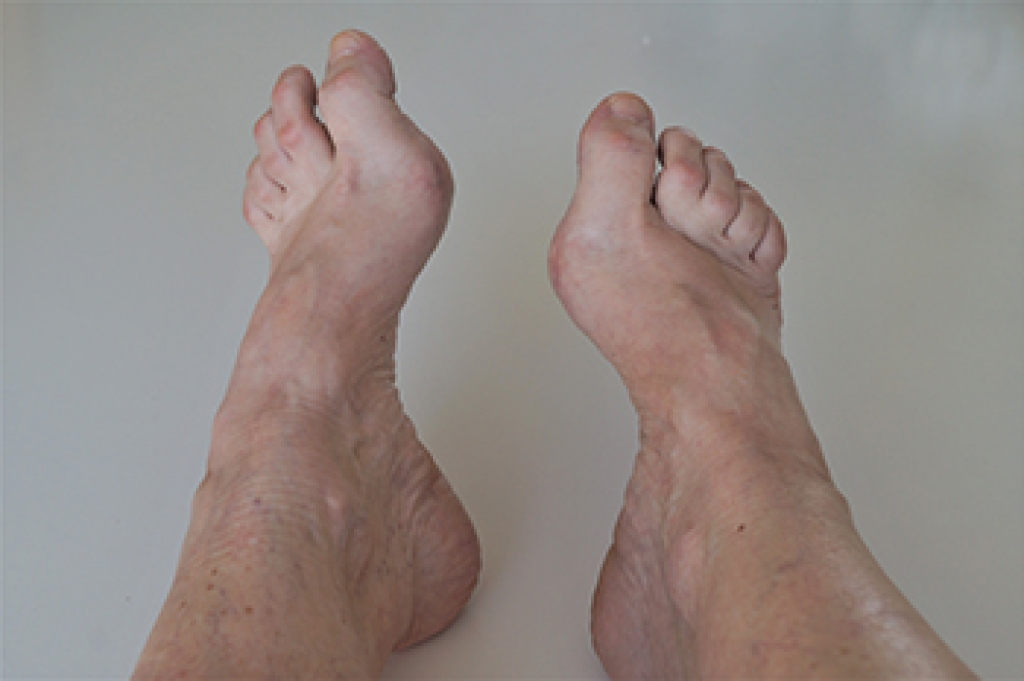
Symptoms and Treatment of High Arch Pain

High arch pain, or pes cavus, occurs when the foot has an unusually high arch. This puts extra stress on the ball and heel of the foot. Common symptoms include pain, instability, and difficulty walking. Other issues include metatarsalgia, calluses, ankle arthritis, and Achilles tendonitis. High arch pain can be caused by neurological disorders, muscle imbalances, or previous injuries. A podiatrist can help by assessing the foot’s structure and offering treatments, such as custom orthotics and specialized footwear. In more severe cases, surgery may be needed to relieve pain and improve foot function. If you are experiencing pain in the arch of the foot, it is suggested that you schedule an appointment with a podiatrist for a diagnosis and appropriate treatment options.

If you have any concerns about your feet, contact Charles Oehrlein, DPM from Hoover Foot Care. Our practitioner can provide the care you need to keep you pain-free and on your feet.

Biomechanics in Podiatry

Podiatric biomechanics is a particular sector of specialty podiatry with licensed practitioners who are trained to diagnose and treat conditions affecting the foot, ankle and lower leg. Biomechanics deals with the forces that act against the body, causing an interference with the biological structures. It focuses on the movement of the ankle, the foot and the forces that interact with them.

A History of Biomechanics

  • Biomechanics dates back to the BC era in Egypt where evidence of professional foot care has been recorded.
  • In 1974, biomechanics gained a higher profile from the studies of Merton Root, who claimed that by changing or controlling the forces between the ankle and the foot, corrections or conditions could be implemented to gain strength and coordination in the area.

Modern technological improvements are based on past theories and therapeutic processes that provide a better understanding of podiatric concepts for biomechanics. Computers can provide accurate information about the forces and patterns of the feet and lower legs.

Understanding biomechanics of the feet can help improve and eliminate pain, stopping further stress to the foot.

If you have any questions please feel free to contact our office located in Hoover, Oneonta, and Munford, AL . We offer the newest diagnostic and treatment technologies for all your foot and ankle needs.

Read more about Biomechanics in Podiatry

What Does Plantar Fasciitis Feel Like?

Plantar fasciitis is a foot condition that causes pain and stiffness in the heel and arch. Symptoms include heel pain, aching arches, foot discomfort, and stiffness that is worse in the morning or after long periods of standing. Causes include wearing improper footwear, biomechanical issues, weight gain, aging, or repetitive strain on the plantar fascia, which is the ligament that supports the arch of the foot. If left untreated, plantar fasciitis can interfere with daily activities and mobility. A podiatrist can diagnose the condition, provide custom orthotics, recommend stretching and strengthening exercises, and develop a treatment plan to relieve pain. If you have heel pain, it is suggested that you consult a podiatrist who can provide an accurate diagnosis and treatment. 

Plantar fasciitis can be very painful and inconvenient. If you are experiencing heel pain or symptoms of plantar fasciitis, contact Charles Oehrlein, DPM  from Hoover Foot Care. Our practitioner can provide the care you need to keep you pain-free and on your feet.

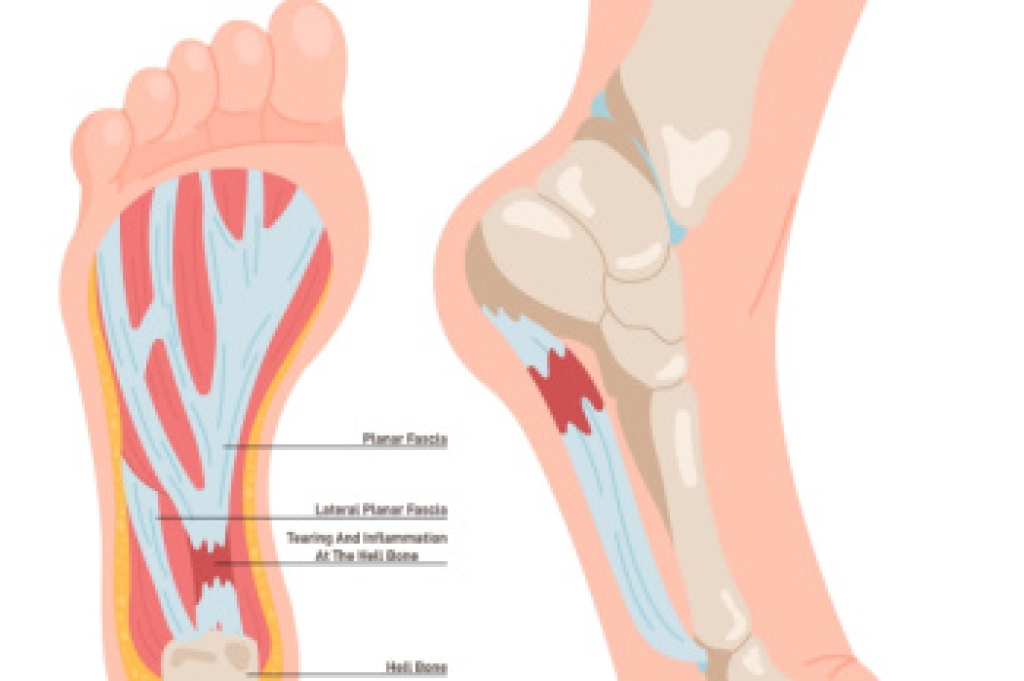
What Is Plantar Fasciitis?

Plantar fasciitis is the inflammation of the thick band of tissue that runs along the bottom of your foot, known as the plantar fascia, and causes mild to severe heel pain.

What Causes Plantar Fasciitis?

  • Excessive running
  • Non-supportive shoes
  • Overpronation
  • Repeated stretching and tearing of the plantar fascia

How Can It Be Treated?

  • Conservative measures – anti-inflammatories, ice packs, stretching exercises, physical therapy, orthotic devices
  • Shockwave therapy – sound waves are sent to the affected area to facilitate healing and are usually used for chronic cases of plantar fasciitis
  • Surgery – usually only used as a last resort when all else fails. The plantar fascia can be surgically detached from the heel

While very treatable, plantar fasciitis is definitely not something that should be ignored. Especially in severe cases, speaking to your doctor right away is highly recommended to avoid complications and severe heel pain. Your podiatrist can work with you to provide the appropriate treatment options tailored to your condition.

If you have any questions, please feel free to contact our office located in Hoover, Oneonta, and Munford, AL . We offer the newest diagnostic and treatment technologies for all your foot care needs.
Read more about Plantar Fasciitis

Connect With Us

scroll to top