
How Running Surfaces Affect the Feet

Different running surfaces affect your feet in distinct ways, and understanding these differences can help prevent injuries. Running on concrete, a common surface, is challenging for the feet due to its hardness, which leads to more stress on the joints. Asphalt is a bit more forgiving but still causes significant impact. Dirt trails provide a softer experience, but uneven terrain increases the risk of falls or ankle injuries. Sand strengthens muscles but also can strain the ankles, while grass is gentler on joints but is often uneven. Tracks and treadmills offer cushioned, consistent surfaces, which reduce stress but may lack variety. Runners can benefit from alternating between these surfaces to avoid overuse injuries and improve overall foot health. A podiatrist can help evaluate foot pain caused by running and recommend strategies to avoid injury. If you are a runner who has foot pain, it is suggested that you schedule an appointment with a podiatrist for a diagnosis and treatment.

Exercising your feet regularly with the proper foot wear is a great way to prevent injuries. If you have any concerns about your feet, contact Charles Oehrlein, DPM of Hoover Foot Care. Our practitioner will treat your foot and ankle needs.

How to Prevent Running Injuries

Many common running injuries are caused by overuse and overtraining. When the back of the kneecap starts wearing out and starts causing pain in your knee, this is commonly referred to as runner’s knee. Runner’s knee is a decrease in strength in your quadriceps and can occur if you’re not wearing properly fitted or supporting shoes. To prevent runner’s knee, focusing on hip strengthening is a good idea, as well as strengthening your quads to keep the kneecaps aligned.

What Are Some Causes of Running Injuries? 
- One cause of a common running injury is called iliotibial band syndrome.
- Plantar fasciitis is also another common injury.
- Stress fractures can occur from overtraining, lack of calcium, or even your running style.

Best Ways to Prevent Running Injuries
- Wear footwear that fits properly and suits your running needs.
- Running shoes are the only protective gear that runners have to safeguard them from injury.
- Make a training schedule. Adding strengthening exercises as well as regular stretching can help keep you strong and limber and can lessen the possibility of injuries.
- Stretching keeps muscles limber; this will help you gain better flexibility.

If you have any questions, please feel free to contact our office located in Hoover, Oneonta, and Munford, AL . We offer the newest diagnostic and treatment technologies for all your foot care needs.

Read more about How to Prevent Running Injuries

Deciding on Bunion Surgery

A bunion is a bony bump that develops on the side of the foot, near the base of the big toe. Bunions often cause pain and present challenges when wearing shoes. Bunion surgery may become necessary if non-surgical treatments, such as wearing wider shoes, padding, or toe spacers are not effective in relieving pain. The goal of bunion surgery is to realign the bones, remove the bony lump, and restore the normal function of the toe. Without surgery, bunions tend to worsen over time and may lead to further complications, like joint pain or inflammation. A podiatrist can guide you through both surgical and non-surgical options to help manage the condition and improve your comfort. Deciding on surgery depends on factors like pain levels, activity limitations, and the progression of the bunion. If you are uncertain about bunion surgery, it is suggested that you make an appointment with a podiatrist for an exam, diagnosis, and treatment options.

If you are suffering from bunions, contact Charles Oehrlein, DPM of Hoover Foot Care. Our practitioner can provide the care you need to keep you pain-free and on your feet.

What Is a Bunion?

A bunion is formed of swollen tissue or an enlargement of boney growth, usually located at the base joint of the toe that connects to the foot. The swelling occurs due to the bones in the big toe shifting inward, which impacts the other toes of the foot. This causes the area around the base of the big toe to become inflamed and painful.

Why Do Bunions Form?

Genetics – Susceptibility to bunions are often hereditary

Stress on the feet – Poorly fitted and uncomfortable footwear that places stress on feet, such as heels, can worsen existing bunions

How Are Bunions Diagnosed?

Doctors often perform two tests – blood tests and x-rays – when trying to diagnose bunions, especially in the early stages of development. Blood tests help determine if the foot pain is being caused by something else, such as arthritis, while x-rays provide a clear picture of your bone structure to your doctor.

How Are Bunions Treated?

  • Refrain from wearing heels or similar shoes that cause discomfort
  • Select wider shoes that can provide more comfort and reduce pain
  • Anti-inflammatory and pain management drugs
  • Orthotics or foot inserts
  • Surgery

If you have any questions, please feel free to contact our office located in Hoover, Oneonta, and Munford, AL . We offer the newest diagnostic and treatment technologies for all your foot care needs.

Read more about Bunions

Causes and Symptoms of Toe Burning Sensation

A burning sensation in the toes can be both uncomfortable and alarming. This symptom often results from nerve damage or irritation from conditions like neuropathy or peripheral artery disease. Common causes include wearing ill-fitting shoes, prolonged standing, or medical issues like diabetes. In addition to burning, you might experience additional symptoms such as bleeding or blistering from friction or injury, numbness from nerve involvement, and swelling from inflammation. Properly addressing the root cause, whether it involves changing footwear, or managing underlying health ailments is essential for relief. If you have this condition, it is suggested that you consult a podiatrist who can effectively treat this condition.


Toe pain can disrupt your daily activities. If you have any concerns, contact Charles Oehrlein, DPM of Hoover Foot Care. Our practitioner can provide the care you need to keep you pain-free and on your feet.

What Causes Toe Pain?

Most severe toe pain is caused due to a sports injury, trauma from dropping something heavy on the toe, or bumping into something rigid. Other problems can develop over time for various reasons.

Toe pain can be caused by one or more ailments. The most common include:

  • Trauma
  • Sports injury
  • Wearing shoes that are too tight
  • Arthritis
  • Gout
  • Corns and calluses
  • Hammertoe
  • Bunions
  • Blisters
  • Ingrown toenails
  • Sprains
  • Fractures (broken bones)
  • Dislocations

When to See a Podiatrist

  • Severe pain
  • Persistent pain that lasts more than a week
  • Signs of infection
  • Continued swelling
  • Pain that prevents walking

Diagnosis

In many cases the cause of toe pain is obvious, but in others, a podiatrist may want to use more advanced methods to determine the problem. These can range from simple visual inspections and sensation tests to X-rays and MRI scans. Prior medical history, family medical history, and any recent physical traumatic events will all be taken into consideration for a proper diagnosis.

Treatment

Treatments for toe pain and injuries vary and may include shoe inserts, padding, taping, medicines, injections, and in some cases, surgery. If you believe that you have broken a toe, please see a podiatrist as soon as possible.

If you have any questions please contact our office located in Hoover, Oneonta, and Munford, AL . We offer the newest diagnostic and treatment technologies for all your foot and ankle needs.

Read more about Toe Pain

Managing Gout Pain

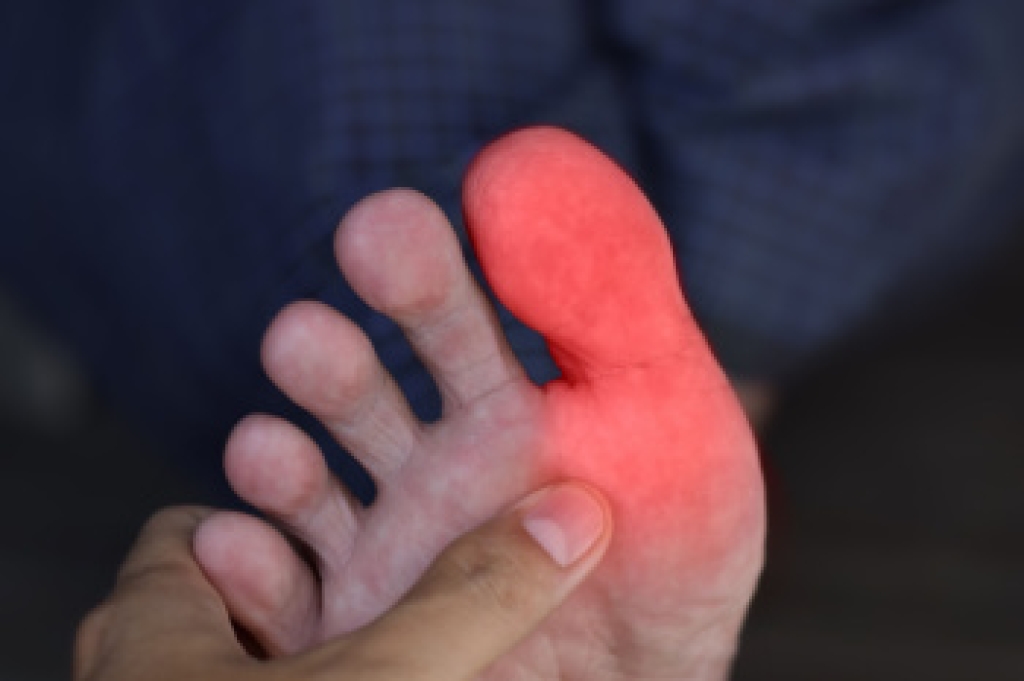
Gout is a form of arthritis that often targets the big toe, causing sudden, intense pain, swelling, and redness in the joint. This happens when uric acid crystals build up in the joints, leading to inflammation. During a gout attack, the affected joint, especially the big toe, can become extremely painful, making even light contact unbearable. Treatment focuses on relieving the pain and inflammation quickly, usually with medications like NSAIDs, colchicine, or steroids. These are most effective when taken as soon as the attack begins. To prevent future flare-ups, a podiatrist may prescribe medication that lowers uric acid levels in the blood, helping to dissolve the crystals and prevent new ones from forming. Restricting intake of certain foods that contribute to uric acid build up is also important. A podiatrist can diagnose gout and offer effective treatments to manage both the immediate pain and long-term prevention. If you are experiencing pain from gout, it is suggested that you schedule an appointment with a podiatrist.

Gout is a foot condition that requires certain treatment and care. If you are seeking treatment, contact Charles Oehrlein, DPM from Hoover Foot Care. Our practitioner will treat your foot and ankle needs.

What Is Gout?

Gout is a type of arthritis caused by a buildup of uric acid in the bloodstream. It often develops in the foot, especially the big toe area, although it can manifest in other parts of the body as well. Gout can make walking and standing very painful and is especially common in diabetics and the obese.

People typically get gout because of a poor diet. Genetic predisposition is also a factor. The children of parents who have had gout frequently have a chance of developing it themselves.

Gout can easily be identified by redness and inflammation of the big toe and the surrounding areas of the foot. Other symptoms include extreme fatigue, joint pain, and running high fevers. Sometimes corticosteroid drugs can be prescribed to treat gout, but the best way to combat this disease is to get more exercise and eat a better diet.

If you have any questions, please feel free to contact our office located in Hoover, Oneonta, and Munford, AL . We offer the newest diagnostic and treatment technologies for all your foot care needs.

Read more about Everything You Need to Know About Gout

Plantar Warts Can Be Treated!

Plantar warts are small growths that develop on parts of the feet that bear weight. They're typically found on the bottom of the foot. Don't live with plantar warts, and call us today!

Connect With Us

scroll to top