
Gout is a painful, inflammatory form of arthritis. Those affected will typically feel an intense stiffness in the joints of their feet, particularly in the big toe. Schedule a visit to learn about how gout can be managed and treated.
Gout is a painful, inflammatory form of arthritis. Those affected will typically feel an intense stiffness in the joints of their feet, particularly in the big toe. Schedule a visit to learn about how gout can be managed and treated.

A foot stress fracture manifests as a small crack or severe bruising within a bone, typically caused by repetitive force or overuse, such as high-impact activities like running or jumping. This injury often results from sudden increases in activity intensity or duration, wearing inadequate footwear support, or changes in training surfaces. Symptoms can include localized pain and tenderness, swelling, and difficulty bearing weight on the affected foot. The pain associated with a stress fracture is often described as dull and achy initially, worsening with activity and subsiding with rest. In some cases, there may be a noticeable tenderness or throbbing sensation at the fracture site. Prompt diagnosis through imaging techniques like X-rays or MRI scans is essential to differentiate a stress fracture from other foot injuries and initiate appropriate treatment. If you have foot pain, and believe it may be a stress fracture, it is suggested that you visit a podiatrist who can determine what the most appropriate course of treatment is for you.
Stress fractures occur when there is a tiny crack within a bone. To learn more, contact Charles Oehrlein, DPM from Hoover Foot Care. Our practitioner can provide the care you need to keep you pain free and on your feet.
How Are They Caused?
Stress fractures are the result of repetitive force being placed on the bone. Since the lower leg and feet often carry most of the body’s weight, stress fractures are likely to occur in these areas. If you rush into a new exercise, you are more likely to develop a stress fracture since you are starting too much, too soon. Pain resulting from stress fractures may go unnoticed at first, however it may start to worsen over time.
Risk Factors
Stress fractures do not always heal properly, so it is important that you seek help from a podiatrist if you suspect you may have one. Ignoring your stress fracture may cause it to worsen, and you may develop chronic pain as well as additional fractures.
If you have any questions please contact our office located in Hoover, Oneonta, and Munford, AL . We offer the newest diagnostic and treatment technologies for all your foot and ankle needs.

Non-diabetic foot infections can arise from various sources, including cuts, puncture wounds, or fungal infections. Symptoms often include redness, swelling, and pain, potentially accompanied by drainage or fever if severe. Causes range from minor injuries to exposure in moist environments. Immediate treatment involves cleaning the affected area with mild soap and water, applying an antibiotic ointment, and covering with a clean bandage. Keeping weight off the affected foot and elevating it can aid healing. It is important to monitor for worsening symptoms or signs of infection. For persistent infections, particularly those spreading or not responding to initial care, seeking prompt evaluation by a podiatrist is key. This type of doctor can assess the infection's severity, provide stronger antibiotics or drainage procedures if necessary, and ensure comprehensive care to promote healing and prevent complications. If you are experiencing these symptoms, it is suggested you schedule an appointment with a podiatrist for specialized treatment.
Wound care is an important part in dealing with diabetes. If you have diabetes and a foot wound or would like more information about wound care for diabetics, consult with Charles Oehrlein, DPM from Hoover Foot Care. Our practitioner will assess your condition and provide you with quality foot and ankle treatment.
What Is Wound Care?
Wound care is the practice of taking proper care of a wound. This can range from the smallest to the largest of wounds. While everyone can benefit from proper wound care, it is much more important for diabetics. Diabetics often suffer from poor blood circulation which causes wounds to heal much slower than they would in a non-diabetic.
What Is the Importance of Wound Care?
While it may not seem apparent with small ulcers on the foot, for diabetics, any size ulcer can become infected. Diabetics often also suffer from neuropathy, or nerve loss. This means they might not even feel when they have an ulcer on their foot. If the wound becomes severely infected, amputation may be necessary. Therefore, it is of the upmost importance to properly care for any and all foot wounds.
How to Care for Wounds
The best way to care for foot wounds is to prevent them. For diabetics, this means daily inspections of the feet for any signs of abnormalities or ulcers. It is also recommended to see a podiatrist several times a year for a foot inspection. If you do have an ulcer, run the wound under water to clear dirt from the wound; then apply antibiotic ointment to the wound and cover with a bandage. Bandages should be changed daily and keeping pressure off the wound is smart. It is advised to see a podiatrist, who can keep an eye on it.
If you have any questions please contact our office located in Hoover, Oneonta, and Munford, AL . We offer the newest diagnostic and treatment technologies for all your foot and ankle needs.

Tarsal tunnel syndrome causes significant ankle pain, resulting from the compression of the posterior tibial nerve within the tarsal tunnel. This narrow space on the inside of the ankle acts as a passageway for nerves, tendons, and blood vessels between the foot and the back of the leg. Compression of the tarsal tunnel can lead to burning or tingling sensations, numbness, and sharp, shooting pain along the path of the tibial nerve. Causes of tarsal tunnel syndrome include trauma, systemic diseases, or other factors, though in many cases, the exact cause remains unknown. Diagnosis by a podiatrist typically involves a combination of patient history, clinical examination, nerve conduction studies, and imaging techniques to accurately assess the extent and origin of the nerve entrapment. Conservative treatment options include anti-inflammatory medications and rest. In more severe cases, surgery may be suggested as a way to alleviate the symptoms. Early treatment can help to prevent the progression of tarsal tunnel syndrome and avoid permanent nerve damage. If you are experiencing pain on the inside of the ankle, it is suggested that you schedule an appointment with a podiatrist for a diagnosis and treatment options.
Tarsal tunnel syndrome can be very uncomfortable to live with. If you are experiencing tarsal tunnel syndrome, contact Charles Oehrlein, DPM of Hoover Foot Care. Our practitioner can provide the care you need to keep you pain-free and on your feet.
Tarsal Tunnel Syndrome
Tarsal tunnel syndrome, which can also be called tibial nerve dysfunction, is an uncommon condition of misfiring peripheral nerves in the foot. The tibial nerve is the peripheral nerve in the leg responsible for sensation and movement of the foot and calf muscles. In tarsal tunnel syndrome, the tibial nerve is damaged, causing problems with movement and feeling in the foot of the affected leg.
Common Cause of Tarsal Tunnel Syndrome
The Effects of Tarsal Tunnel Syndrome
A physical exam of the leg can help identify the presence of tarsal tunnel syndrome. Medical tests, such as a nerve biopsy, are also used to diagnose the condition. Patients may receive physical therapy and prescriptive medication. In extreme cases, some may require surgery.
If you have any questions please contact our office located in Hoover, Oneonta, and Munford, AL . We offer the newest diagnostic and treatment technologies for all your foot and ankle needs.
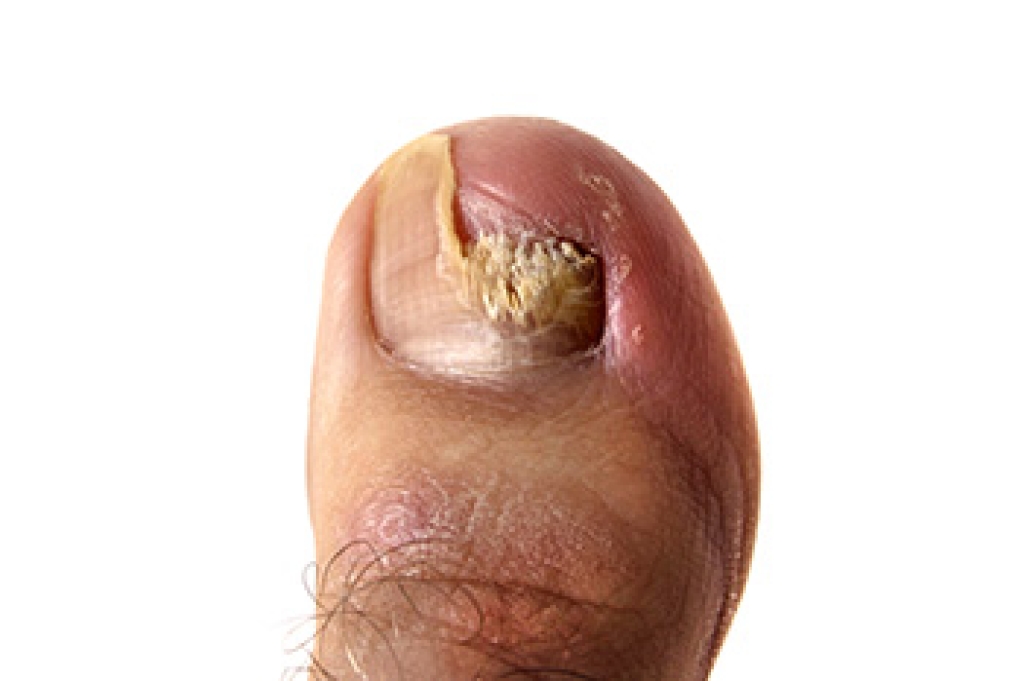 Toenail fungus, medically known as onychomycosis, is a common infection affecting the nails. It is caused by fungi, such as dermatophytes, which thrive in warm, moist environments. Symptoms include thickened, discolored nails that may become brittle or crumbly. The infection often starts as a white or yellow spot under the nail and can spread, leading to nail distortion and possible separation from the nail bed. Causes include frequent exposure to damp conditions, such as sweaty shoes or communal showers. Risk factors include older age, a history of athlete's foot, weakened immune systems, and poor circulation. Preventative measures include keeping feet dry, wearing breathable footwear, and avoiding walking barefoot in public areas. If you have developed toenail fungus, it is suggested that you consult a podiatrist who can offer you effective treatment solutions, which often include prescribed medication.
For more information about treatment, contact Charles Oehrlein, DPM of Hoover Foot Care. Our practitioner can provide the care you need to keep you pain-free and on your feet.
Toenail Fungus Treatment
Toenail fungus is a condition that affects many people and can be especially hard to get rid of. Fortunately, there are several methods to go about treating and avoiding it.
Antifungals & Deterrence
Oral antifungal medicine has been shown to be effective in many cases. It is important to consult with a podiatrist to determine the proper regiment for you, or potentially explore other options.
Applying foot powder on the feet and shoes helps keep the feet free of moisture and sweat.
Sandals or open toed shoes – Wearing these will allow air movement and help keep feet dry. They also expose your feet to light, which fungus cannot tolerate. Socks with moisture wicking material also help as well.
If you have any questions please contact our office located in Hoover, Oneonta, and Munford, AL . We offer the newest diagnostic and treatment technologies for all your foot and ankle needs.
Connect With Us
