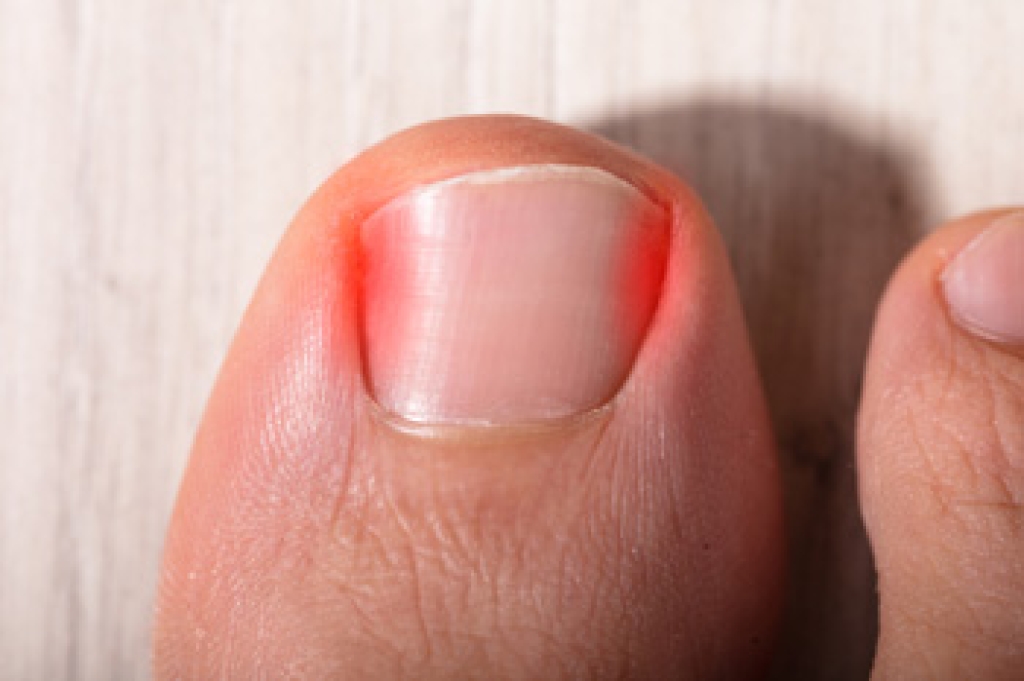
Causes and Signs of Ingrown Toenails

Ingrown toenails, a discomfort that can disrupt the rhythm of your daily life, often stem from a combination of factors. The primary cause lies in the toenail's edge growing into the surrounding skin, triggering inflammation and pain. Improper toenail trimming, wearing tight shoes, or sustaining injuries to the toe can contribute to this unwelcome development. Recognizing the signs of an ingrown toenail is vital for timely intervention. Persistent pain, redness, and swelling around the toenail, coupled with potential drainage of pus, signify the onset. If left untreated, ingrown toenails can escalate into infections, posing greater challenges. Understanding the causes and recognizing early signs empowers individuals to address ingrown toenails promptly, restoring comfort and preserving the health of their feet. Ingrown toenails can be a serious foot condition. If you have symptoms of this ailment, it is suggested that you schedule an appointment with a podiatrist as quickly as possible who can offer you correct treatment options.

Ingrown toenails may initially present themselves as a minor discomfort, but they may progress into an infection in the skin without proper treatment. For more information about ingrown toenails, contact Charles Oehrlein, DPM of Hoover Foot Care. Our practitioner can provide the care you need to keep you pain-free and on your feet.

Ingrown Toenails

Ingrown toenails are caused when the corner or side of a toenail grows into the soft flesh surrounding it. They often result in redness, swelling, pain, and in some cases, infection. This condition typically affects the big toe and may recur if it is not treated properly.

Causes

  • Improper toenail trimming
  • Genetics
  • Improper shoe fitting
  • Injury from pedicures or nail picking
  • Abnormal gait
  • Poor hygiene

You are more likely to develop an ingrown toenail if you are obese, have diabetes, arthritis, or have any fungal infection in your nails. Additionally, people who have foot or toe deformities are at a higher risk of developing an ingrown toenail.

Symptoms

Some symptoms of ingrown toenails are redness, swelling, and pain. In rare cases, there may be a yellowish drainage coming from the nail.

Treatment

Ignoring an ingrown toenail can have serious complications. Infections of the nail border can progress to a deeper soft-tissue infection, which can then turn into a bone infection. You should always speak with your podiatrist if you suspect you have an ingrown toenail, especially if you have diabetes or poor circulation.

If you have any questions, please feel free to contact our office located in Hoover, Oneonta, and Munford, AL . We offer the newest diagnostic and treatment technologies for all your foot care needs.

Read more about Ingrown Toenail Care

Complications of Gout

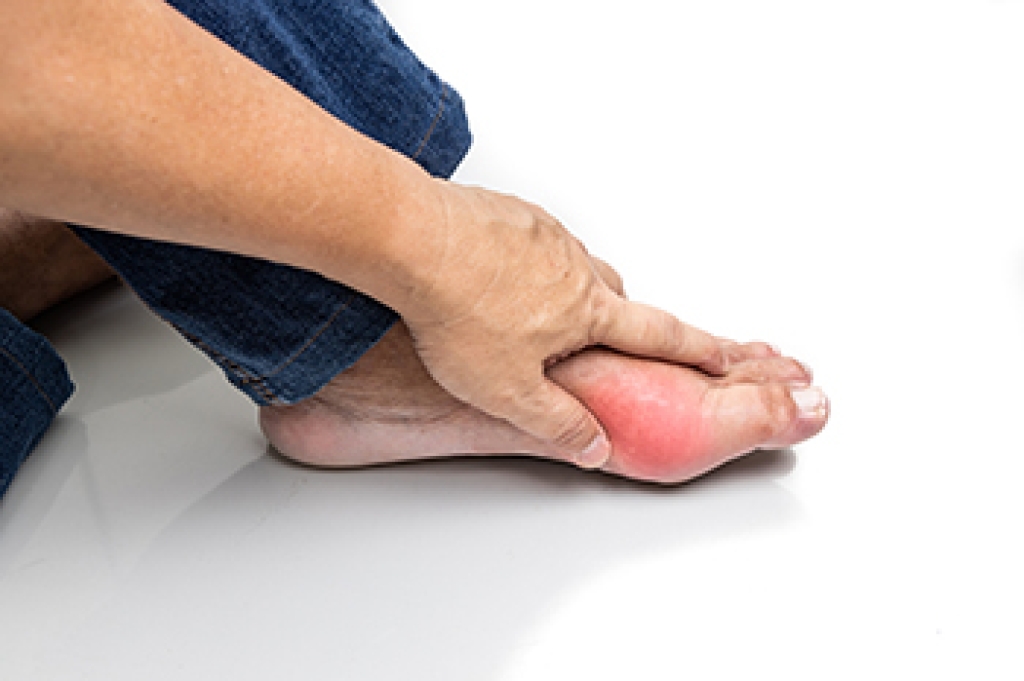
Gout is not only about discomfort. If not addressed, especially when it is ongoing, it can evolve into major health challenges over the years. There are formations called tophi, which essentially are hardened clusters of urate crystals. These can emerge in various areas, including the feet. Even though they might not always be painful, neglecting them can harm your bones, cartilage, and joints. With prolonged gout, individuals often experience regular joint inflammation. This consistent swelling, combined with tophi, can result in permanent joint alterations and rigidity. In extreme situations, surgical intervention might be necessary to rectify or even replace damaged joints. Additionally, gout raises the likelihood of kidney stone formation. This happens because urate crystals can accumulate in the urinary system. Over time, if these stones block your kidneys, it can lead to scarring and damage. There's a belief that this kind of kidney damage, if not treated, can progress to chronic kidney ailments. Moreover, the persistent pain due to chronic gout can be mentally taxing. It can hinder daily activities like walking and working, leading to emotional strain. If you have gout, it is strongly suggested that you make a n appointment with a podiatrist to get treatment for this painful affliction before it takes more of a toll on your body and mind.

Gout is a painful condition that can be treated. If you are seeking treatment, contact Charles Oehrlein, DPM from Hoover Foot Care. Our practitioner will treat your foot and ankle needs.

What Is Gout?

Gout is a form of arthritis that is characterized by sudden, severe attacks of pain, redness, and tenderness in the joints. The condition usually affects the joint at the base of the big toe. A gout attack can occur at any random time, such as the middle of the night while you are asleep.

Symptoms

  • Intense Joint Pain - Usually around the large joint of your big toe, and it most severe within the first four to twelve hours
  • Lingering Discomfort - Joint discomfort may last from a few days to a few weeks
  • Inflammation and Redness -Affected joints may become swollen, tender, warm and red
  • Limited Range of Motion - May experience a decrease in joint mobility

Risk Factors

  • Genetics - If family members have gout, you’re more likely to have it
  • Medications - Diuretic medications can raise uric acid levels
  • Gender/Age - Gout is more common in men until the age of 60. It is believed that estrogen protects women until that point
  • Diet - Eating red meat and shellfish increases your risk
  • Alcohol - Having more than two alcoholic drinks per day increases your risk
  • Obesity - Obese people are at a higher risk for gout

Prior to visiting your podiatrist to receive treatment for gout, there are a few things you should do beforehand. If you have gout you should write down your symptoms--including when they started and how often you experience them, important medical information you may have, and any questions you may have. Writing down these three things will help your podiatrist in assessing your specific situation so that he or she may provide the best route of treatment for you.

If you have any questions, please feel free to contact our office located in Hoover, Oneonta, and Munford, AL . We offer the newest diagnostic and treatment technologies for all your foot care needs.

Read more about Gout

Common Foot Problems

Foot pain is a widespread issue affecting millions of Americans daily. It can hinder your ability to work, socialize, and function effectively. The most commonly reported complaints of foot pain are bunions, flat feet, hammertoes, ingrown toenails, and plantar fasciitis. Bunions are characterized by a painful bump at the base of the big toe. Conservative approaches include wearing roomy shoes, using toe sleeves, and employing toe spacers. In severe cases, minimally invasive surgical options are available. Fallen arches, commonly known as flat feet, can cause chronic pain in the arch, ankle, and leg due to the loss of tendon elasticity. Hammertoes present as claw-like deformities in the toe joint, leading to discomfort, especially when the toe rubs against the shoe. Ingrown toenails occur when a toenail grows into the flesh surrounding it. This can cause extreme pain and can easily become infected, which requires prescribed antibiotic cream or possible nail removal. Plantar fasciitis is known for causing excessive heel pain from tears in the plantar fascia tissue that runs beneath the foot. Addressing foot pain is important for maintaining a high quality of life. Whether opting for conservative or surgical interventions, it is suggested that you make an appointment with a podiatrist to determine the most appropriate treatment plan for your specific foot condition. 

Foot Pain

Foot pain can be extremely painful and debilitating. If you have a foot pain, consult with Charles Oehrlein, DPM from Hoover Foot Care. Our practitioner will assess your condition and provide you with quality foot and ankle treatment.

Causes

Foot pain is a very broad condition that could be caused by one or more ailments. The most common include:

  • Bunions
  • Hammertoes
  • Plantar Fasciitis
  • Bone Spurs
  • Corns
  • Tarsal Tunnel Syndrome
  • Ingrown Toenails
  • Arthritis (such as Gout, Rheumatoid, and Osteoarthritis)
  • Flat Feet
  • Injury (from stress fractures, broken toe, foot, ankle, Achilles tendon ruptures, and sprains)
  • And more

Diagnosis

To figure out the cause of foot pain, podiatrists utilize several different methods. This can range from simple visual inspections and sensation tests to X-rays and MRI scans. Prior medical history, family medical history, and any recent physical traumatic events will all be taken into consideration for a proper diagnosis.

Treatment

Treatment depends upon the cause of the foot pain. Whether it is resting, staying off the foot, or having surgery; podiatrists have a number of treatment options available for foot pain.

If you have any questions, please feel free to contact our office located in Hoover, Oneonta, and Munford, AL . We offer the newest diagnostic and treatment technologies for all your foot care needs.

Read more about Foot Pain

Choosing Socks for Sweaty Feet

Sweaty feet can be more than just an inconvenience. They can lead to a host of problems, ranging from blisters and fungal infections to bacterial growth. With approximately 4.8 percent of the population dealing with hyperhidrosis, it is clear that many individuals are searching for solutions to keep their feet dry and comfortable. One effective way to manage this situation is by choosing the right socks, which can play an important role in keeping your feet moisture free and safer from infection. The soles of your feet have more sweat glands than any other part of your body. These sweat glands are essential for temperature regulation, but for those with hyperhidrosis, they can become overactive and lead to excessive perspiration. This not only causes discomfort, but also poses various health risks. A number of issues need to be taken into consideration when choosing socks for hyperhidrosis, including materials, breathability, construction, fit, and safety. If you are unsure about the best sock choices for your feet, it is suggested that you speak with a podiatrist, who can offer expert advice tailored to your needs.

If you are suffering from hyperhidrosis contact Charles Oehrlein, DPM of Hoover Foot Care. Our practitioner can provide the care you need to attend to all of your foot and ankle needs.

Hyperhidrosis of the Feet

Hyperhidrosis is a rare disorder that can cause people to have excessive sweating of their feet. This can usually occur all on its own without rigorous activity involved. People who suffer from hyperhidrosis may also experience sweaty palms.

Although it is said that sweating is a healthy process meant to cool down the body temperature and to maintain a proper internal temperature, hyperhidrosis may prove to be a huge hindrance on a person’s everyday life.

Plantar hyperhidrosis is considered to be the main form of hyperhidrosis. Secondary hyperhidrosis can refer to sweating that occurs in areas other than the feet or hands and armpits. Often this may be a sign of it being related to another medical condition such as menopause, hyperthyroidism and even Parkinson’s disease.

In order to alleviate this condition, it is important to see your doctor so that they may prescribe the necessary medications so that you can begin to live a normal life again. If this is left untreated, it is said that it will persist throughout an individual’s life.

A last resort approach would be surgery, but it is best to speak with your doctor to find out what may be the best treatment for you.

If you have any questions, please feel free to contact our office located in Hoover, Oneonta, and Munford, AL . We offer the newest diagnostic and treatment technologies for all your foot care needs.

Read more about Hyperhidrosis of the Feet

Connect With Us

scroll to top