Have you noticed discoloration of your toenails? Have they become thickened or brittle? If so, you may be experiencing symptoms of a fungal nail infection. For some, having a fungal nail can be embarrassing. Overcome your embarrassment, and get treated.
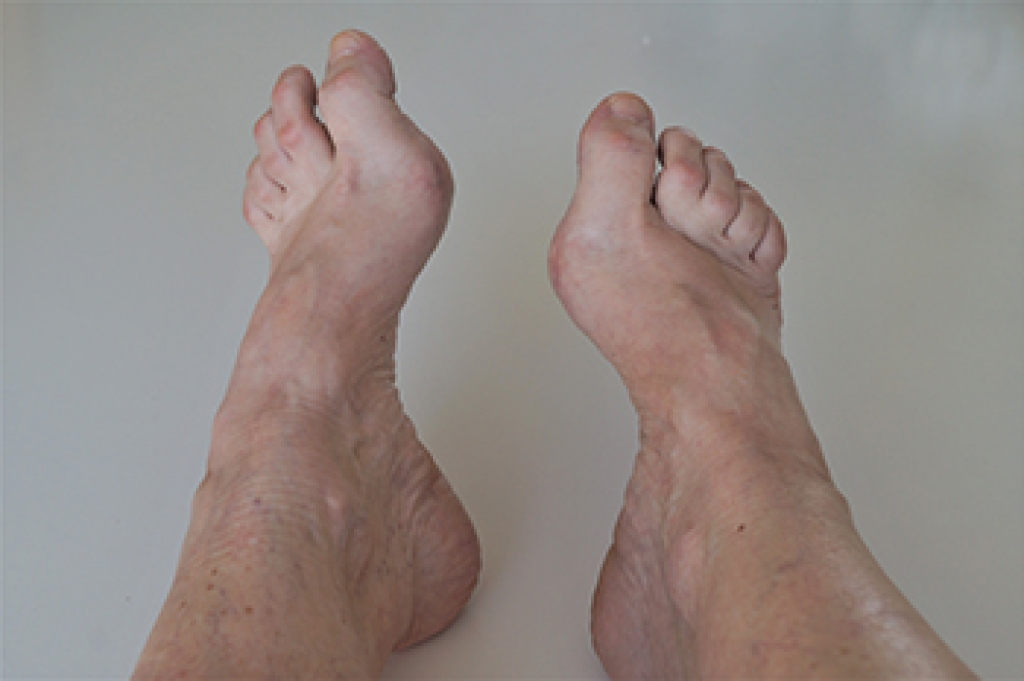
High arch pain, or pes cavus, occurs when the foot has an unusually high arch. This puts extra stress on the ball and heel of the foot. Common symptoms include pain, instability, and difficulty walking. Other issues include metatarsalgia, calluses, ankle arthritis, and Achilles tendonitis. High arch pain can be caused by neurological disorders, muscle imbalances, or previous injuries. A podiatrist can help by assessing the foot’s structure and offering treatments, such as custom orthotics and specialized footwear. In more severe cases, surgery may be needed to relieve pain and improve foot function. If you are experiencing pain in the arch of the foot, it is suggested that you schedule an appointment with a podiatrist for a diagnosis and appropriate treatment options.
If you have any concerns about your feet, contact Charles Oehrlein, DPM from Hoover Foot Care. Our practitioner can provide the care you need to keep you pain-free and on your feet.
Biomechanics in Podiatry
Podiatric biomechanics is a particular sector of specialty podiatry with licensed practitioners who are trained to diagnose and treat conditions affecting the foot, ankle and lower leg. Biomechanics deals with the forces that act against the body, causing an interference with the biological structures. It focuses on the movement of the ankle, the foot and the forces that interact with them.
A History of Biomechanics
Biomechanics dates back to the BC era in Egypt where evidence of professional foot care has been recorded.
In 1974, biomechanics gained a higher profile from the studies of Merton Root, who claimed that by changing or controlling the forces between the ankle and the foot, corrections or conditions could be implemented to gain strength and coordination in the area.
Modern technological improvements are based on past theories and therapeutic processes that provide a better understanding of podiatric concepts for biomechanics. Computers can provide accurate information about the forces and patterns of the feet and lower legs.
Understanding biomechanics of the feet can help improve and eliminate pain, stopping further stress to the foot.
If you have any questions please feel free to contact our office located in Hoover,Oneonta, and Munford, AL. We offer the newest diagnostic and treatment technologies for all your foot and ankle needs.
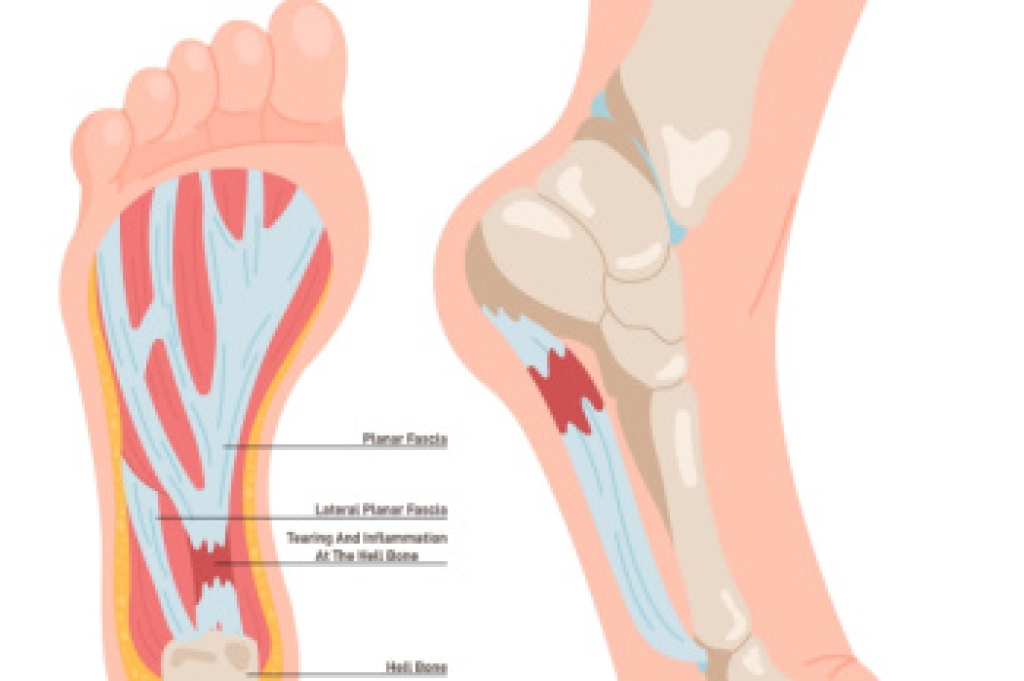
Plantar fasciitis is a foot condition that causes pain and stiffness in the heel and arch. Symptoms include heel pain, aching arches, foot discomfort, and stiffness that is worse in the morning or after long periods of standing. Causes include wearing improper footwear, biomechanical issues, weight gain, aging, or repetitive strain on the plantar fascia, which is the ligament that supports the arch of the foot. If left untreated, plantar fasciitis can interfere with daily activities and mobility. A podiatrist can diagnose the condition, provide custom orthotics, recommend stretching and strengthening exercises, and develop a treatment plan to relieve pain. If you have heel pain, it is suggested that you consult a podiatrist who can provide an accurate diagnosis and treatment.
Plantar fasciitis can be very painful and inconvenient. If you are experiencing heel pain or symptoms of plantar fasciitis, contact Charles Oehrlein, DPM from Hoover Foot Care. Our practitioner can provide the care you need to keep you pain-free and on your feet.
What Is Plantar Fasciitis?
Plantar fasciitis is the inflammation of the thick band of tissue that runs along the bottom of your foot, known as the plantar fascia, and causes mild to severe heel pain.
What Causes Plantar Fasciitis?
Excessive running
Non-supportive shoes
Overpronation
Repeated stretching and tearing of the plantar fascia
Shockwave therapy – sound waves are sent to the affected area to facilitate healing and are usually used for chronic cases of plantar fasciitis
Surgery – usually only used as a last resort when all else fails. The plantar fascia can be surgically detached from the heel
While very treatable, plantar fasciitis is definitely not something that should be ignored. Especially in severe cases, speaking to your doctor right away is highly recommended to avoid complications and severe heel pain. Your podiatrist can work with you to provide the appropriate treatment options tailored to your condition.
If you have any questions, please feel free to contact our office located in Hoover,Oneonta, and Munford, AL. We offer the newest diagnostic and treatment technologies for all your foot care needs.
Walking shoes and running shoes are designed with different purposes in mind. Walking shoes typically offer firmer soles, greater arch support, and a focus on heel-to-toe movement. Running shoes, on the other hand, provide more cushioning, flexibility, and shock absorption to handle the higher impact of running. Wearing the wrong type of shoe can lead to discomfort or injury, over time. A podiatrist can assess your gait, foot structure, and activity level to help you select the most appropriate footwear. If you experience foot pain or need guidance on proper shoes for walking or running, it is suggested that you schedule a visit with a podiatrist who can treat various foot conditions, and guide you on what type of shoes to wear for your desired activity.
For more information about walking shoes versus running shoes, consult with Charles Oehrlein, DPM from Hoover Foot Care. Our practitioner can measure your feet to determine what your needs are and help you find an appropriate pair of footwear.
Foot Health: The Differences between Walking & Running Shoes
There are great ways to stay in shape: running and walking are two great exercises to a healthy lifestyle. It is important to know that running shoes and walking shoes are not interchangeable. There is a key difference on how the feet hit the ground when someone is running or walking. This is why one should be aware that a shoe is designed differently for each activity.
You may be asking yourself what the real differences are between walking and running shoes and the answers may shock you.
Differences
Walking doesn’t involve as much stress or impact on the feet as running does. However, this doesn’t mean that you should be any less prepared. When you’re walking, you land on your heels and have your foot roll forward. This rolling motion requires additional support to the feet.
Flexibility – Walking shoes are designed to have soft, flexible soles. This allows the walker to push off easily with each step.
If you have any questions, please feel free to contact our office located in Hoover,Oneonta, and Munford, AL. We offer the newest diagnostic and treatment technologies for all your foot care needs.
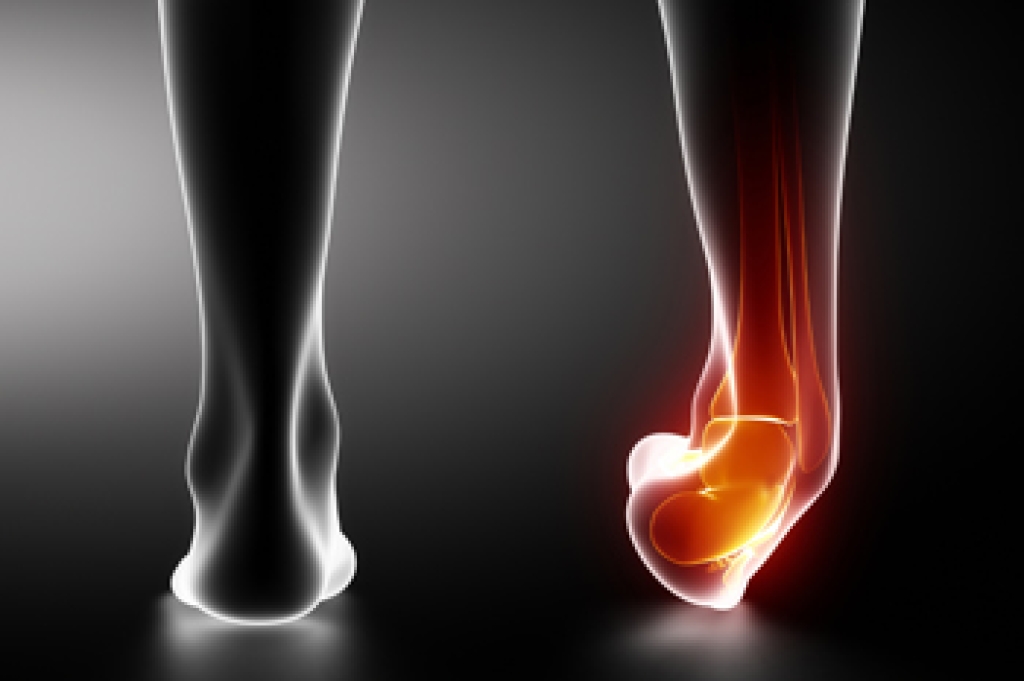
A broken ankle often brings thoughts of rest and staying off your feet completely. However, getting back to walking as soon as your podiatrist says it is safe can actually help your ankle heal better. Walking helps improve blood flow to the injury, reduces swelling, and encourages the bones to heal in the correct position. Avoiding movement for too long can cause muscles to weaken and joints to stiffen, which can make recovery take longer. Your podiatrist may recommend starting with a walking boot to protect the ankle as you slowly begin to bear weight. Controlled movement helps prevent complications like joint stiffness and blood clots. Gentle walking also helps restore strength and balance, especially when combined with targeted exercises designed to support your recovery. If you have broken your ankle, it is suggested you schedule a visit with a podiatrist to create a safe and effective healing plan.
Broken ankles need immediate treatment. If you are seeking treatment, contact Charles Oehrlein, DPM from Hoover Foot Care. Our practitioner can provide the care you need to keep you pain-free and on your feet.
Broken Ankles A broken ankle is experienced when a person fractures their tibia or fibula in the lower leg and ankle area. Both of these bones are attached at the bottom of the leg and combine to form what we know to be our ankle.
When a physician is referring to a break of the ankle, he or she is usually referring to a break in the area where the tibia and fibula are joined to create our ankle joint. Ankles are more prone to fractures because the ankle is an area that suffers a lot of pressure and stress. There are some obvious signs when a person experiences a fractured ankle, and the following symptoms may be present.
Symptoms of a Fractured Ankle
Excessive pain when the area is touched or when any pressure is placed on the ankle
Swelling around the area
Bruising of the area
Area appears to be deformed
If you suspect an ankle fracture, it is recommended to seek treatment as soon as possible. The sooner you have your podiatrist diagnose the fracture, the quicker you’ll be on the way towards recovery.
If you have any questions, please feel free to contact our office located in Hoover,Oneonta, and Munford, AL. We offer the newest diagnostic and treatment technologies for all your foot care needs.
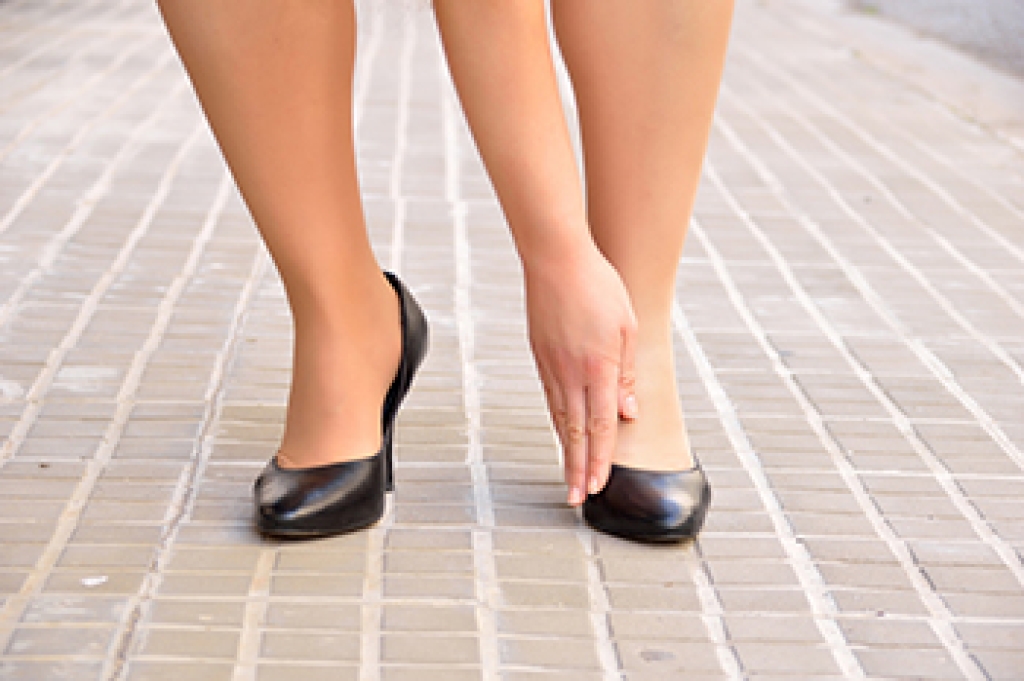
Many women love high heels for the way they enhance posture, style, and confidence. However, frequent wear can take a serious toll on foot health. High heels shift weight forward, placing excessive pressure on the toes and the balls of the feet. This can lead to bunions, hammertoes, nerve pain, and even long-term joint damage. Wearing heels regularly may also affect balance and cause strain in the ankles and lower back. A podiatrist can identify early signs of damage, provide relief, and suggest supportive alternatives or custom inserts. If you enjoy wearing high heels but notice foot pain or discomfort, it is suggested that you consult a podiatrist who can treat various foot conditions, and guide you on types of heels that might be easier on your feet.
High heels have a history of causing foot and ankle problems. If you have any concerns about your feet or ankles, contact Charles Oehrlein, DPM from Hoover Foot Care. Our practitioner can provide the care you need to keep you pain-free and on your feet.
Effects of High Heels on the Feet
High heels are popular shoes among women because of their many styles and societal appeal. Despite this, high heels can still cause many health problems if worn too frequently.
Which Parts of My Body Will Be Affected by High Heels?
Ankle Joints
Achilles Tendon – May shorten and stiffen with prolonged wear
Balls of the Feet
Knees – Heels cause the knees to bend constantly, creating stress on them
Back – They decrease the spine’s ability to absorb shock, which may lead to back pain. The vertebrae of the lower back may compress.
What Kinds of Foot Problems Can Develop from Wearing High Heels?
Corns
Calluses
Hammertoe
Bunions
Morton’s Neuroma
Plantar Fasciitis
How Can I Still Wear High Heels and Maintain Foot Health?
If you want to wear high heeled shoes, make sure that you are not wearing them every day, as this will help prevent long term physical problems. Try wearing thicker heels as opposed to stilettos to distribute weight more evenly across the feet. Always make sure you are wearing the proper shoes for the right occasion, such as sneakers for exercising. If you walk to work, try carrying your heels with you and changing into them once you arrive at work. Adding inserts to your heels can help cushion your feet and absorb shock. Full foot inserts or metatarsal pads are available.
If you have any questions, please feel free to contact our office located in Hoover,Oneonta, and Munford, AL. We offer the newest diagnostic and treatment technologies for all your foot care needs.
If left untreated, an ingrown toenail can lead to more serious concerns, such as an infection. Knowing proper nail care can help in the prevention of an ingrown toenail. Give us a call, and get treated!
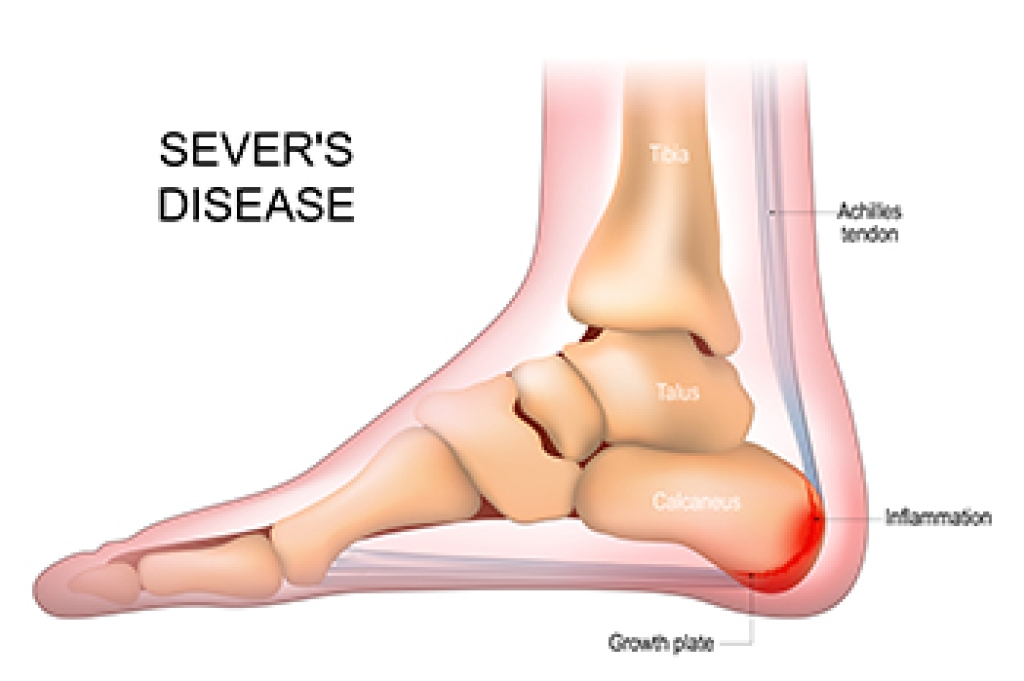
Sever's disease, also known as calcaneal apophysitis, is a common cause of heel pain in growing children. It occurs when the growth plate in the heel becomes inflamed due to repetitive stress or pressure. This condition often affects active children between 8 and 14 years old who are involved in sports that include running or jumping. Risk factors include rapid growth, flat feet, poor footwear, and intense physical activity. Symptoms may include heel pain, limping, stiffness, and tenderness in the back of the foot. A podiatrist can diagnose Sever's disease through a physical exam and recommend treatments, such as rest, stretching, proper footwear, and custom inserts. If your active child has heel pain, it is suggested that you visit a podiatrist for an accurate diagnosis and treatment plan.
Sever's disease often occurs in children and teens. If your child is experiencing foot or ankle pain, see Charles Oehrlein, DPM from Hoover Foot Care. Our practitioner can treat your child’s foot and ankle needs.
Sever’s Disease
Sever’s disease is also known as calcaneal apophysitis, which is a medical condition that causes heel pain I none or both feet. The disease is known to affect children between the ages of 8 and 14.
Sever’s disease occurs when part of the child’s heel known as the growth plate (calcaneal epiphysis) is attached to the Achilles tendon. This area can suffer injury when the muscles and tendons of the growing foot do not keep pace with bone growth. Therefore, the constant pain which one experiences at the back of the heel will make the child unable to put any weight on the heel. The child is then forced to walk on their toes.
Symptoms
Acute pain – Pain associated with Sever’s disease is usually felt in the heel when the child engages in physical activity such as walking, jumping and or running.
Highly active – Children who are very active are among the most susceptible in experiencing Sever’s disease, because of the stress and tension placed on their feet.
If you have any questions, please feel free to contact our office located in Hoover,Oneonta, and Munford, AL. We offer the newest diagnostic and treatment technologies for all your foot care needs.
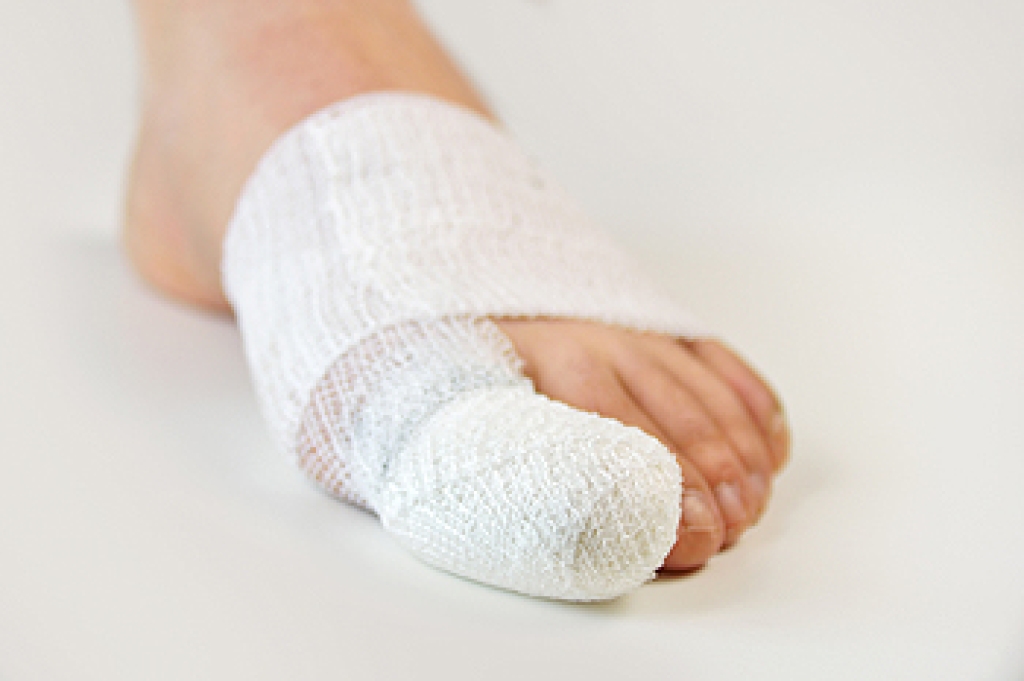
A broken toe may result from a direct hit, such as stubbing the toe, dropping something heavy on it, or from repeated stress like running or jumping. Pain, swelling, bruising, and difficulty walking are common signs of a toe fracture. Some breaks can cause the bone to shift out of place, while others stay aligned but still cause discomfort. A broken toe may be open, with a wound that exposes the bone, or closed, where the skin remains unbroken. Ignoring the injury can lead to long-term problems, such as poor healing or joint stiffness. A podiatrist can check for bone displacement or hidden fractures using an X-ray or other imaging, as well as assess any risks of infection or complications. Depending on the type and severity of the break, a podiatrist may stabilize the toe with a cast, special shoe, or taping method. Surgery may be needed to realign the bone. If you have broken a toe, it is suggested that you promptly schedule an appointment with a podiatrist for an exam and appropriate treatment options.
Broken toes may cause a lot of pain and should be treated as soon as possible. If you have any concerns about your feet, contact Charles Oehrlein, DPM from Hoover Foot Care. Our practitioner will treat your foot and ankle needs.
What Is a Broken Toe?
A broken toe occurs when one or more of the toe bones of the foot are broken after an injury. Injuries such as stubbing your toe or dropping a heavy object on it may cause a toe fracture.
Symptoms of a Broken Toe
Swelling
Pain (with/without wearing shoes)
Stiffness
Nail Injury
Although the injured toe should be monitored daily, it is especially important to have a podiatrist look at your toe if you have severe symptoms. Some of these symptoms include worsening or new pain that is not relieved with medication, sores, redness, or open wounds near the toe.
If you have any questions please feel free to contact our office located in Hoover,Oneonta, and Munford, AL. We offer the newest diagnostic tools and technology to treat your foot and ankle needs.
Achilles tendonitis refers to inflammation of the tendon that connects the calf muscles to the heel bone, often resulting from repetitive strain on the lower leg and heel. Athletes and runners frequently experience Achilles tendonitis when sudden increases in training intensity, sprinting movements, or overuse place excessive pressure on the tendon fibers. There are two primary forms of this injury. Insertional Achilles tendonitis affects the area where the tendon attaches to the heel bone. Non-insertional Achilles tendonitis involves fibers in the midportion of the tendon, more common among younger and more active individuals. Common signs of Achilles tendonitis include pain at the back of the heel worsened by activity or after rest, or swelling and thickening near the tendon. If nonoperative measures do not reduce inflammation or if damage is severe, surgery may be considered. If you have injured your Achilles tendon, it is suggested that you schedule an appointment with a podiatrist for a diagnosis and appropriate treatment.
Achilles tendon injuries need immediate attention to avoid future complications. If you have any concerns, contact Charles Oehrlein, DPM of Hoover Foot Care. Our practitioner can provide the care you need to keep you pain-free and on your feet.
What Is the Achilles Tendon?
The Achilles tendon is a tendon that connects the lower leg muscles and calf to the heel of the foot. It is the strongest tendon in the human body and is essential for making movement possible. Because this tendon is such an integral part of the body, any injuries to it can create immense difficulties and should immediately be presented to a doctor.
What Are the Symptoms of an Achilles Tendon Injury?
There are various types of injuries that can affect the Achilles tendon. The two most common injuries are Achilles tendinitis and ruptures of the tendon.
Achilles Tendinitis Symptoms
Inflammation
Dull to severe pain
Increased blood flow to the tendon
Thickening of the tendon
Rupture Symptoms
Extreme pain and swelling in the foot
Total immobility
Treatment and Prevention
Achilles tendon injuries are diagnosed by a thorough physical evaluation, which can include an MRI. Treatment involves rest, physical therapy, and in some cases, surgery. However, various preventative measures can be taken to avoid these injuries, such as:
Thorough stretching of the tendon before and after exercise
Strengthening exercises like calf raises, squats, leg curls, leg extensions, leg raises, lunges, and leg presses
If you have any questions please feel free to contact our office located in Hoover,Oneonta, and Munford, AL. We offer the newest diagnostic tools and technology to treat your foot and ankle needs.