Connect With Us

Puncture wounds on the foot occur when a sharp object, such as a nail or splinter, penetrates the skin and underlying tissues. These injuries can lead to localized pain, swelling, and redness at the site of the puncture. In some cases, infection can develop, resulting in increased pain, pus, and fever. The presence of a foreign object may not always be visible, making proper diagnosis important. A podiatrist will typically perform a thorough examination, possibly including X-rays or other imaging tests, to determine the extent of the injury and whether any debris remains embedded. Timely treatment is essential to prevent complications. If you have sustained a puncture wound on your foot, it is suggested that you consult a podiatrist who can successfully treat this condition.
Wound care is an important part in dealing with diabetes. If you have diabetes and a foot wound or would like more information about wound care for diabetics, consult with Charles Oehrlein, DPM from Hoover Foot Care. Our practitioner will assess your condition and provide you with quality foot and ankle treatment.
What Is Wound Care?
Wound care is the practice of taking proper care of a wound. This can range from the smallest to the largest of wounds. While everyone can benefit from proper wound care, it is much more important for diabetics. Diabetics often suffer from poor blood circulation which causes wounds to heal much slower than they would in a non-diabetic.
What Is the Importance of Wound Care?
While it may not seem apparent with small ulcers on the foot, for diabetics, any size ulcer can become infected. Diabetics often also suffer from neuropathy, or nerve loss. This means they might not even feel when they have an ulcer on their foot. If the wound becomes severely infected, amputation may be necessary. Therefore, it is of the upmost importance to properly care for any and all foot wounds.
How to Care for Wounds
The best way to care for foot wounds is to prevent them. For diabetics, this means daily inspections of the feet for any signs of abnormalities or ulcers. It is also recommended to see a podiatrist several times a year for a foot inspection. If you do have an ulcer, run the wound under water to clear dirt from the wound; then apply antibiotic ointment to the wound and cover with a bandage. Bandages should be changed daily and keeping pressure off the wound is smart. It is advised to see a podiatrist, who can keep an eye on it.
If you have any questions please contact our office located in Hoover, Oneonta, and Munford, AL . We offer the newest diagnostic and treatment technologies for all your foot and ankle needs.

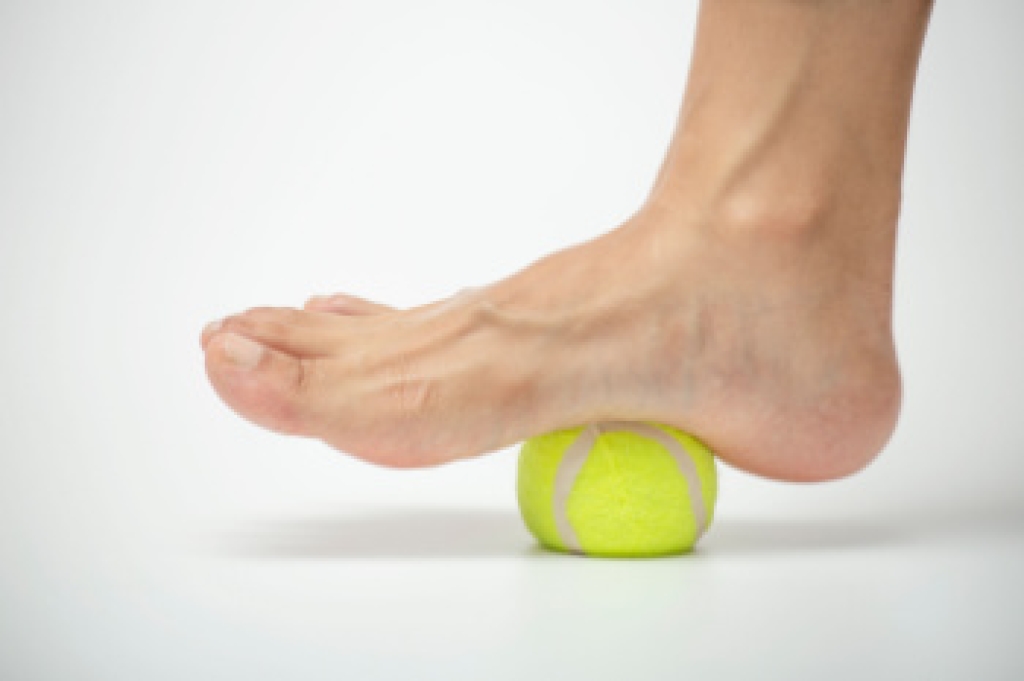
Flat feet, or fallen arches, occur when the arches of the feet collapse, leading to potential discomfort and alignment issues. To alleviate symptoms and strengthen the feet, several exercises can be beneficial. Heel stretches involve gently pulling the heel and calf muscles to increase flexibility and reduce tension. Rolling a tennis ball under the foot helps massage the arch, improve circulation, and relieve pain. Arch lifts, performed by lifting the arch while keeping the toes and heel on the ground, strengthen the muscles supporting the arch. Calf raises, where you rise onto the toes and slowly lower back down, enhance calf strength and support the foot’s structure. Flat feet may cause pain and discomfort. If this applies to you, it is suggested that you are under the care of a podiatrist who can help you find the relief you are seeking.
Flatfoot is a condition many people suffer from. If you have flat feet, contact Charles Oehrlein, DPM from Hoover Foot Care. Our practitioner will treat your foot and ankle needs.
What Are Flat Feet?
Flatfoot is a condition in which the arch of the foot is depressed and the sole of the foot is almost completely in contact with the ground. About 20-30% of the population generally has flat feet because their arches never formed during growth.
Conditions & Problems:
Having flat feet makes it difficult to run or walk because of the stress placed on the ankles.
Alignment – The general alignment of your legs can be disrupted, because the ankles move inward which can cause major discomfort.
Knees – If you have complications with your knees, flat feet can be a contributor to arthritis in that area.
Symptoms
Treatment
If you are experiencing pain and stress on the foot you may weaken the posterior tibial tendon, which runs around the inside of the ankle.
If you have any questions, please feel free to contact our office located in Hoover, Oneonta, and Munford, AL . We offer the newest diagnostic and treatment technologies for all your foot care needs.

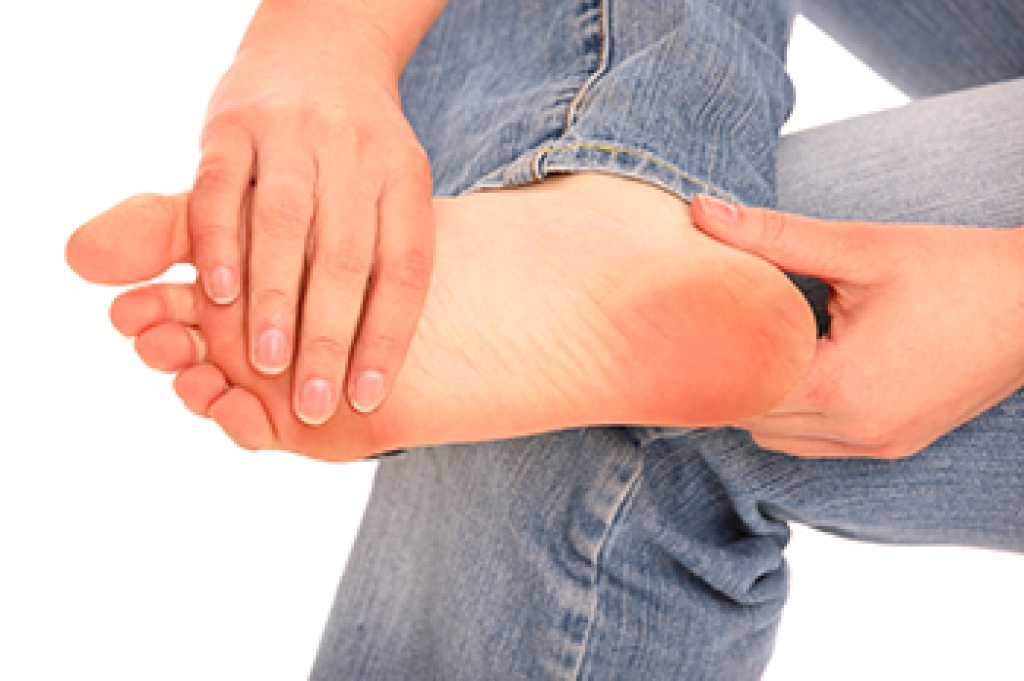
If you experience pain under your feet, incorporating specific exercises into your routine can help alleviate it, particularly if you have plantar fasciitis. Stretching and strengthening exercises focus on the plantar fascia, a thick connective tissue in the sole of the foot, and can be done without special equipment. For instance, one exercise involves sitting in a chair, placing the painful foot on your opposite thigh, and pulling your toes towards your shin to stretch the fascia. Another effective exercise requires standing near a wall, raising your toes against it while keeping your heel on the floor, and leaning forward to deepen the stretch. A third exercise involves getting on all fours with toes bent and sliding your bottom back towards your heels to stretch the fascia. While some exercises may cause mild discomfort, they are beneficial once acute pain subsides. A podiatrist can offer specific exercises according to your particular needs. If you have foot pain on the bottom of your feet, it is suggested that you schedule an appointment with a podiatrist for treatment.
Exercising your feet regularly with the proper foot wear is a great way to prevent injuries and build strength. If you have any concerns about your feet, contact Charles Oehrlein, DPM from Hoover Foot Care. Our practitioner can provide the care you need to keep you pain-free and on your feet.
Exercise for Your Feet
Exercise for your feet can help you gain strength, mobility and flexibility in your feet. They say that strengthening your feet can be just as rewarding as strengthening another part of the body. Your feet are very important, and we often forget about them in our daily tasks. But it is because of our feet that are we able to get going and do what we need to. For those of us fortunate enough to not have any foot problems, it is an important gesture to take care of them to ensure good health in the long run.
Some foot health exercises can include ankle pumps, tip-toeing, toe rises, lifting off the floor doing reps and sets, and flexing the toes. It is best to speak with Our practitioner to determine an appropriate regimen for your needs. Everyone’s needs and bodies are different, and the activities required to maintain strength in the feet vary from individual to individual.
Once you get into a routine of doing regular exercise, you may notice a difference in your feet and how strong they may become.
If you have any questions, please feel free to contact our office located in Hoover, Oneonta, and Munford, AL . We offer the newest diagnostic and treatment technologies for all your foot care needs.
Using a treadmill can lead to various foot injuries due to repetitive stress and improper use. One common injury is plantar fasciitis, which causes heel pain from inflammation of the tissue connecting the heel to the toes. Another frequent issue is metatarsalgia, characterized by pain in the ball of the foot, often caused by excessive impact or poor foot alignment. Achilles tendinitis, an inflammation of the tendon at the back of the ankle, can also occur from overuse or wearing improper footwear. Ankle sprains may result from sudden changes in direction or loss of balance. To prevent these injuries, ensure proper treadmill use with a suitable speed and incline, wear supportive and well-fitted shoes, and incorporate stretching and strengthening exercises into your routine. If you have sustained a foot injury from running on the treadmill, it is suggested that you contact a podiatrist who can treat your foot condition and educate you on specific running injury prevention methods.
All runners should take extra precaution when trying to avoid injury. If you have any concerns about your feet, contact Charles Oehrlein, DPM of Hoover Foot Care. Our practitioner will treat your foot and ankle needs.
How to Prevent Running Injuries
There are a lot of mistakes a runner can make prior to a workout that can induce injury. A lot of athletes tend to overstretch before running, instead of saving those workouts for a post-run routine. Deep lunges and hand-to-toe hamstring pulls should be performed after a workout instead of during a warmup. Another common mistake is jumping into an intense routine before your body is physically prepared for it. You should try to ease your way into long-distance running instead of forcing yourself to rush into it.
More Tips for Preventing Injury
If you have any questions, please feel free to contact our office located in Hoover, Oneonta, and Munford, AL . We offer the newest diagnostic and treatment technologies for all your foot care needs.
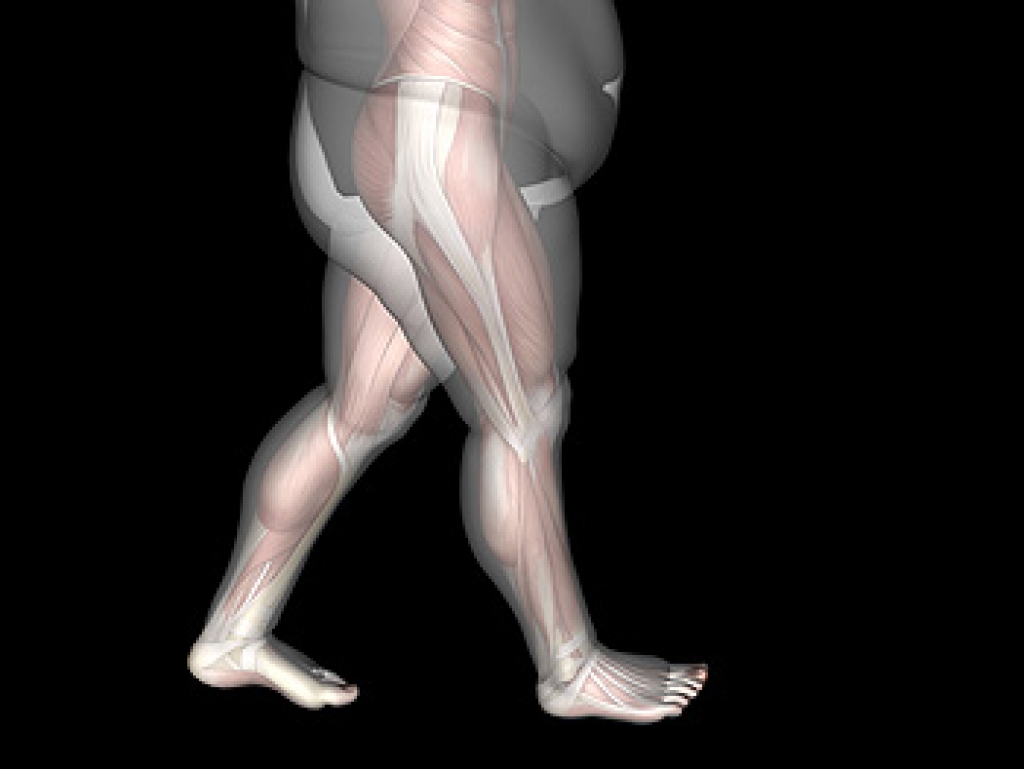
Obesity significantly impacts foot health, often leading to chronic foot pain due to the excessive weight exerting pressure on the feet. This added strain can result in conditions like plantar fasciitis, where the thick band of tissue running across the bottom of the foot becomes inflamed, causing intense heel pain. Additionally, the excess weight can contribute to flat feet, where the arches collapse, leading to further discomfort and instability. To manage foot pain associated with obesity, weight reduction through a balanced diet and regular exercise is important. Low-impact activities like swimming or cycling can help shed pounds without placing additional stress on the feet. Supportive footwear that provides adequate arch support and cushioning is also essential. If you carry excess weight and have persistent foot pain, it is suggested that you seek advice from a podiatrist. This medical professional can offer custom orthotics, recommend specific exercises to strengthen foot muscles, and provide guidance on managing foot health, ultimately enhancing mobility and quality of life.
Obesity has become very problematic at this point in time and can have extremely negative effects on the feet. If you’re an obese individual and are concerned about your feet, contact Charles Oehrlein, DPM from Hoover Foot Care. Our practitioner can provide the care you need to keep you pain-free and on your feet.
Obesity and Your Feet
Since your feet are what support your entire weight when standing, any additional weight can result in pain and swelling. Being overweight is one of the main contributors to foot complications.
Problems & Complications
Extra Weight – Even putting on just a few extra pounds could create serious complications for your feet. As your weight increases, your balance and body will shift, creating new stresses on your feet. This uneven weight distribution can cause pain, even while doing the simplest tasks, such as walking.
Diabetes – People who are overweight are at serious risk of developing type-2 diabetes, which has a drastic impact on the health of your feet. As you get older, your diabetes might worsen, which could lead to loss of feeling in your feet, sores, and bruises. You could also become more prone to various infections.
Plantar fasciitis – Pressure and stress that is placed on muscles, joints, and tendons can trigger plantar fasciitis, which is an inflammation of tissue that forms along the bottom of the foot.
If you have any questions, please feel free to contact our office located in Hoover, Oneonta, and Munford, AL . We offer the newest diagnostic and treatment technologies for all your foot care needs.

A foot stress fracture manifests as a small crack or severe bruising within a bone, typically caused by repetitive force or overuse, such as high-impact activities like running or jumping. This injury often results from sudden increases in activity intensity or duration, wearing inadequate footwear support, or changes in training surfaces. Symptoms can include localized pain and tenderness, swelling, and difficulty bearing weight on the affected foot. The pain associated with a stress fracture is often described as dull and achy initially, worsening with activity and subsiding with rest. In some cases, there may be a noticeable tenderness or throbbing sensation at the fracture site. Prompt diagnosis through imaging techniques like X-rays or MRI scans is essential to differentiate a stress fracture from other foot injuries and initiate appropriate treatment. If you have foot pain, and believe it may be a stress fracture, it is suggested that you visit a podiatrist who can determine what the most appropriate course of treatment is for you.
Stress fractures occur when there is a tiny crack within a bone. To learn more, contact Charles Oehrlein, DPM from Hoover Foot Care. Our practitioner can provide the care you need to keep you pain free and on your feet.
How Are They Caused?
Stress fractures are the result of repetitive force being placed on the bone. Since the lower leg and feet often carry most of the body’s weight, stress fractures are likely to occur in these areas. If you rush into a new exercise, you are more likely to develop a stress fracture since you are starting too much, too soon. Pain resulting from stress fractures may go unnoticed at first, however it may start to worsen over time.
Risk Factors
Stress fractures do not always heal properly, so it is important that you seek help from a podiatrist if you suspect you may have one. Ignoring your stress fracture may cause it to worsen, and you may develop chronic pain as well as additional fractures.
If you have any questions please contact our office located in Hoover, Oneonta, and Munford, AL . We offer the newest diagnostic and treatment technologies for all your foot and ankle needs.

Non-diabetic foot infections can arise from various sources, including cuts, puncture wounds, or fungal infections. Symptoms often include redness, swelling, and pain, potentially accompanied by drainage or fever if severe. Causes range from minor injuries to exposure in moist environments. Immediate treatment involves cleaning the affected area with mild soap and water, applying an antibiotic ointment, and covering with a clean bandage. Keeping weight off the affected foot and elevating it can aid healing. It is important to monitor for worsening symptoms or signs of infection. For persistent infections, particularly those spreading or not responding to initial care, seeking prompt evaluation by a podiatrist is key. This type of doctor can assess the infection's severity, provide stronger antibiotics or drainage procedures if necessary, and ensure comprehensive care to promote healing and prevent complications. If you are experiencing these symptoms, it is suggested you schedule an appointment with a podiatrist for specialized treatment.
Wound care is an important part in dealing with diabetes. If you have diabetes and a foot wound or would like more information about wound care for diabetics, consult with Charles Oehrlein, DPM from Hoover Foot Care. Our practitioner will assess your condition and provide you with quality foot and ankle treatment.
What Is Wound Care?
Wound care is the practice of taking proper care of a wound. This can range from the smallest to the largest of wounds. While everyone can benefit from proper wound care, it is much more important for diabetics. Diabetics often suffer from poor blood circulation which causes wounds to heal much slower than they would in a non-diabetic.
What Is the Importance of Wound Care?
While it may not seem apparent with small ulcers on the foot, for diabetics, any size ulcer can become infected. Diabetics often also suffer from neuropathy, or nerve loss. This means they might not even feel when they have an ulcer on their foot. If the wound becomes severely infected, amputation may be necessary. Therefore, it is of the upmost importance to properly care for any and all foot wounds.
How to Care for Wounds
The best way to care for foot wounds is to prevent them. For diabetics, this means daily inspections of the feet for any signs of abnormalities or ulcers. It is also recommended to see a podiatrist several times a year for a foot inspection. If you do have an ulcer, run the wound under water to clear dirt from the wound; then apply antibiotic ointment to the wound and cover with a bandage. Bandages should be changed daily and keeping pressure off the wound is smart. It is advised to see a podiatrist, who can keep an eye on it.
If you have any questions please contact our office located in Hoover, Oneonta, and Munford, AL . We offer the newest diagnostic and treatment technologies for all your foot and ankle needs.

Tarsal tunnel syndrome causes significant ankle pain, resulting from the compression of the posterior tibial nerve within the tarsal tunnel. This narrow space on the inside of the ankle acts as a passageway for nerves, tendons, and blood vessels between the foot and the back of the leg. Compression of the tarsal tunnel can lead to burning or tingling sensations, numbness, and sharp, shooting pain along the path of the tibial nerve. Causes of tarsal tunnel syndrome include trauma, systemic diseases, or other factors, though in many cases, the exact cause remains unknown. Diagnosis by a podiatrist typically involves a combination of patient history, clinical examination, nerve conduction studies, and imaging techniques to accurately assess the extent and origin of the nerve entrapment. Conservative treatment options include anti-inflammatory medications and rest. In more severe cases, surgery may be suggested as a way to alleviate the symptoms. Early treatment can help to prevent the progression of tarsal tunnel syndrome and avoid permanent nerve damage. If you are experiencing pain on the inside of the ankle, it is suggested that you schedule an appointment with a podiatrist for a diagnosis and treatment options.
Tarsal tunnel syndrome can be very uncomfortable to live with. If you are experiencing tarsal tunnel syndrome, contact Charles Oehrlein, DPM of Hoover Foot Care. Our practitioner can provide the care you need to keep you pain-free and on your feet.
Tarsal Tunnel Syndrome
Tarsal tunnel syndrome, which can also be called tibial nerve dysfunction, is an uncommon condition of misfiring peripheral nerves in the foot. The tibial nerve is the peripheral nerve in the leg responsible for sensation and movement of the foot and calf muscles. In tarsal tunnel syndrome, the tibial nerve is damaged, causing problems with movement and feeling in the foot of the affected leg.
Common Cause of Tarsal Tunnel Syndrome
The Effects of Tarsal Tunnel Syndrome
A physical exam of the leg can help identify the presence of tarsal tunnel syndrome. Medical tests, such as a nerve biopsy, are also used to diagnose the condition. Patients may receive physical therapy and prescriptive medication. In extreme cases, some may require surgery.
If you have any questions please contact our office located in Hoover, Oneonta, and Munford, AL . We offer the newest diagnostic and treatment technologies for all your foot and ankle needs.
Connect With Us