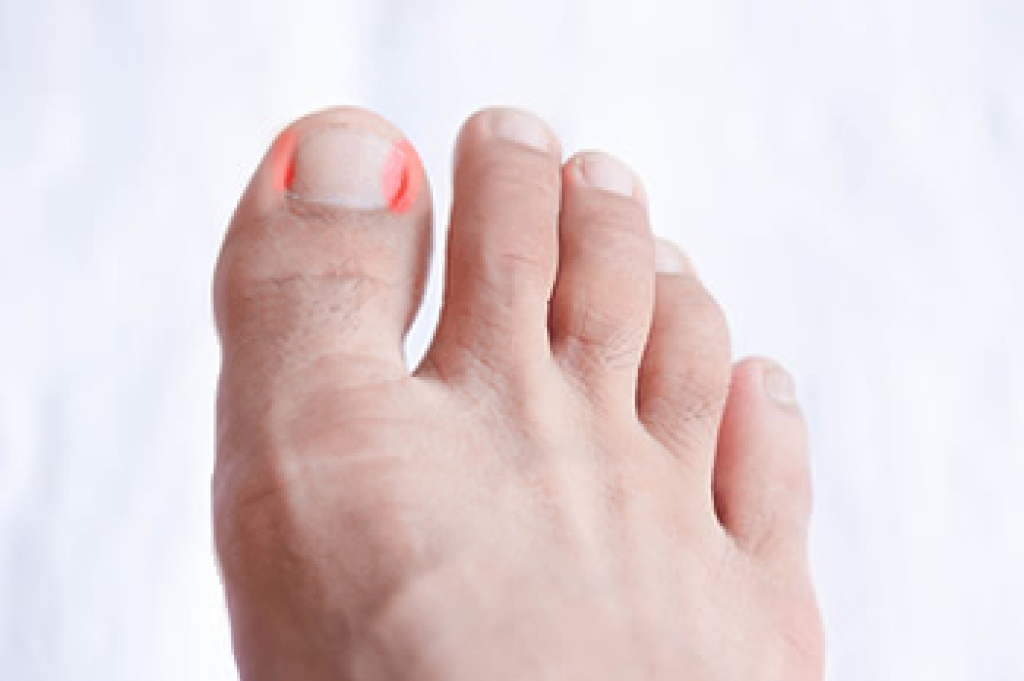
Tips for Preventing Ingrown Toenails

Ingrown toenails can be excruciatingly painful and disrupt your daily activities. Fortunately, there are steps that can be taken which may help to prevent this common foot woe. Trimming the toenails properly is important, and this is done by trimming them straight across. It is helpful to avoid cutting the nails too short or rounded, which may help to prevent ingrowth. It is also helpful to invest in good quality nail clippers that can make the process easier. Choose comfortable, well-fitted shoes that can provide adequate toe room, and refrain from wearing tight footwear that can exert pressure on the toenails, increasing the risk of incurring an ingrown toenail. Maintaining good foot hygiene is also essential. Wash your feet daily, drying them thoroughly, and keep the area around the nails clean. Applying a moisturizer to the skin surrounding the toes may also help to prevent ingrown toenails. A podiatrist can provide expert guidance and, if necessary, perform minor procedures to alleviate the issue. If you have developed an ingrown toenail, it is suggested that you speak with this type of doctor who can help you with additional prevention techniques.

Ingrown toenails can become painful if they are not treated properly. For more information about ingrown toenails, contact Charles Oehrlein, DPM of Hoover Foot Care. Our practitioner can provide the care you need to keep you pain-free and on your feet.

Ingrown Toenails

Ingrown toenails occur when a toenail grows sideways into the bed of the nail, causing pain, swelling, and possibly infection.

Causes

  • Bacterial infections
  • Improper nail cutting such as cutting it too short or not straight across
  • Trauma to the toe, such as stubbing, which causes the nail to grow back irregularly
  • Ill-fitting shoes that bunch the toes too close together
  • Genetic predisposition

Prevention

Because ingrown toenails are not something found outside of shoe-wearing cultures, going barefoot as often as possible will decrease the likeliness of developing ingrown toenails. Wearing proper fitting shoes and using proper cutting techniques will also help decrease your risk of developing ingrown toenails.

Treatment

Ingrown toenails are a very treatable foot condition. In minor cases, soaking the affected area in salt or antibacterial soaps will not only help with the ingrown nail itself, but also help prevent any infections from occurring. In more severe cases, surgery is an option. In either case, speaking to your podiatrist about this condition will help you get a better understanding of specific treatment options that are right for you.

If you have any questions, please feel free to contact our office located in Hoover, Oneonta, and Munford, AL . We offer the newest diagnostic and treatment technologies for all your foot care needs.
Read more about Ingrown Toenail Care

Early Intervention for Flat Feet

Children with flat feet do not always naturally outgrow this condition, contrary to what parents may be told. Research supports the belief that untreated flat feet can lead to long-term problems. While children may not experience foot pain due to their soft and forgiving bones, they may complain of leg, knee, and growing pains. When left untreated, flat feet can result in painful adult flat feet in the future. Early intervention is crucial to prevent these issues. Treatment options may include orthotics, strengthening exercises, ballet, and surgery if necessary. Monitoring a child's flat feet without intervention might lead to further complications and becoming unresponsive to treatment later. Recognizing the potential long-term consequences of untreated flat feet is essential for both foot health and overall body posture. Early intervention can help children develop the correct foot structure and prevent future problems. If you have a child with flat feet and want to learn more about early intervention, it is suggested that you make an appointment with a podiatrist for a consultation.

Flatfoot is a condition many people suffer from. If you have flat feet, contact Charles Oehrlein, DPM from Hoover Foot Care. Our practitioner will treat your foot and ankle needs.

What Are Flat Feet?

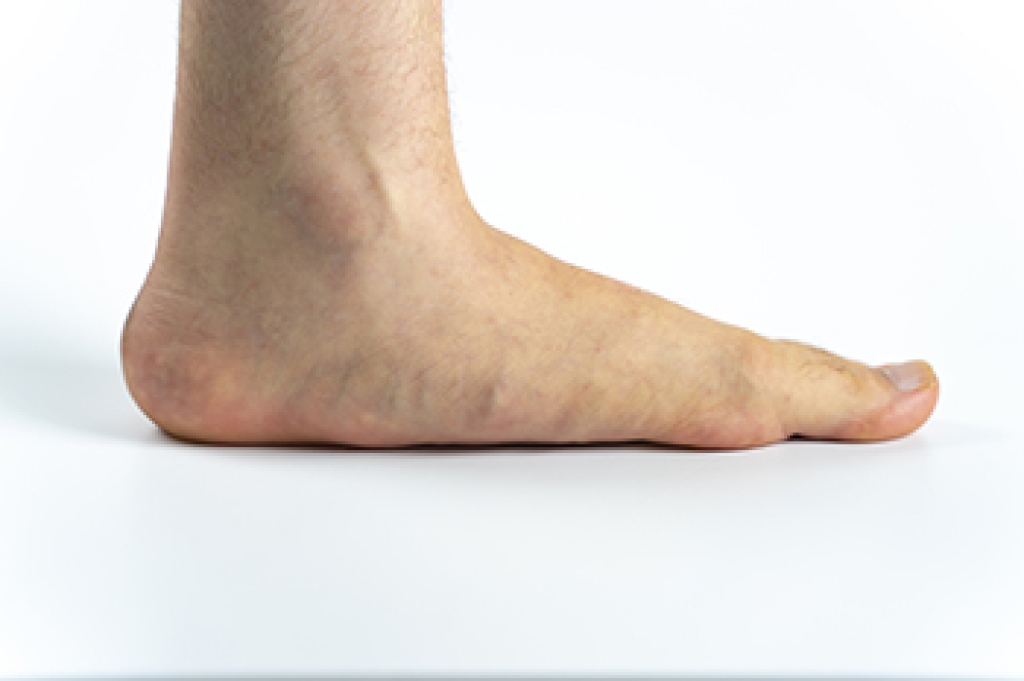
Flatfoot is a condition in which the arch of the foot is depressed and the sole of the foot is almost completely in contact with the ground. About 20-30% of the population generally has flat feet because their arches never formed during growth.

Conditions & Problems:

Having flat feet makes it difficult to run or walk because of the stress placed on the ankles.

Alignment – The general alignment of your legs can be disrupted, because the ankles move inward which can cause major discomfort.

Knees – If you have complications with your knees, flat feet can be a contributor to arthritis in that area.  

Symptoms

  • Pain around the heel or arch area
  • Trouble standing on the tip toe
  • Swelling around the inside of the ankle
  • Flat look to one or both feet
  • Having your shoes feel uneven when worn

Treatment

If you are experiencing pain and stress on the foot you may weaken the posterior tibial tendon, which runs around the inside of the ankle. 

If you have any questions, please feel free to contact our office located in Hoover, Oneonta, and Munford, AL . We offer the newest diagnostic and treatment technologies for all your foot care needs.
Read more about Flatfoot

Ankle Fracture? Don’t Wait for Treatment

If you're suffering from an ankle fracture, professional attention shouldn't wait. Fractures may worsen over time and can make completing everyday activities incredibly difficult. See your specialist for treatment and guidance through the healing process. 

Understanding What Causes Gout

Gout is a type of arthritis that is caused by the accumulation of uric acid crystals in the joints. This condition primarily affects the joints, with the big toe being a common target. The development of gout is closely linked to high levels of uric acid in the blood, a condition known as hyperuricemia. Uric acid is a byproduct of the breakdown of purines found in many foods and beverages. When the body produces too much uric acid or fails to excrete it efficiently, uric acid crystals can form and settle in the joints, leading to inflammation, swelling, and intense pain. Several factors can contribute to the risk of developing gout, including genetics, diet, and lifestyle choices. Additionally, consuming purine-rich foods, excessive alcohol consumption, and certain medical conditions can all elevate uric acid levels and increase the likelihood of gout attacks. Understanding the causes of gout is crucial for managing and preventing gout flare-ups, allowing individuals to enjoy a better quality of life. If you have had one or more gout attacks, it is strongly suggested that you confer with a podiatrist who can help you manage this condition.

Gout is a foot condition that requires certain treatment and care. If you are seeking treatment, contact Charles Oehrlein, DPM from Hoover Foot Care. Our practitioner will treat your foot and ankle needs.

What Is Gout?

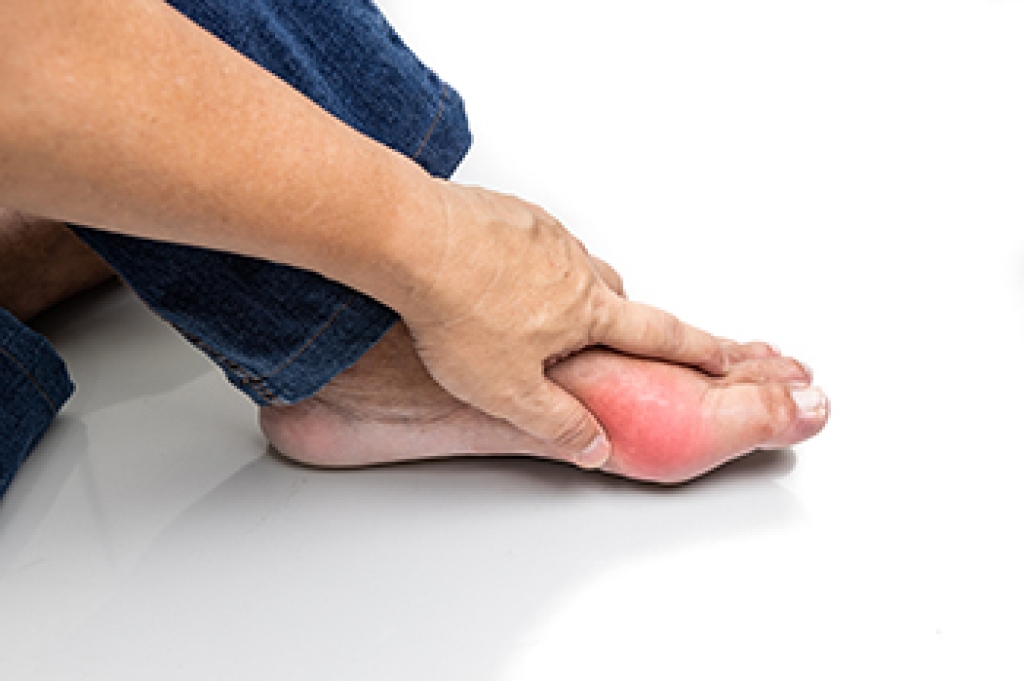
Gout is a type of arthritis caused by a buildup of uric acid in the bloodstream. It often develops in the foot, especially the big toe area, although it can manifest in other parts of the body as well. Gout can make walking and standing very painful and is especially common in diabetics and the obese.

People typically get gout because of a poor diet. Genetic predisposition is also a factor. The children of parents who have had gout frequently have a chance of developing it themselves.

Gout can easily be identified by redness and inflammation of the big toe and the surrounding areas of the foot. Other symptoms include extreme fatigue, joint pain, and running high fevers. Sometimes corticosteroid drugs can be prescribed to treat gout, but the best way to combat this disease is to get more exercise and eat a better diet.

If you have any questions, please feel free to contact our office located in Hoover, Oneonta, and Munford, AL . We offer the newest diagnostic and treatment technologies for all your foot care needs.
Read more about Everything You Need to Know About Gout

A Guide to Treating Plantar Fasciitis

Plantar fasciitis, a common and often debilitating foot condition, can bring your daily life to a halt due to severe heel pain. Fortunately, various treatment options are available to help you regain your comfort and mobility. Conservative measures like rest and taking anti-inflammatory medications can help to alleviate discomfort. Wearing supportive footwear with proper arch support and cushioning can significantly reduce strain on the plantar fascia. Stretching exercises that target the calf muscles and Achilles tendon can also provide relief by loosening tight structures around the foot. Custom orthotics may be recommended to support the arch and distribute pressure evenly. In rare cases, when conservative treatments are not sufficient, medical interventions such as cortico-steroid injections or surgery may be considered. Plantar fasciitis can be challenging, but with the right approach and patience, you can overcome it and return to a pain-free, active lifestyle. If you have heel pain, it is suggested that you contact a podiatrist who can effectively diagnose and treat plantar fasciitis.

Plantar fasciitis can be very painful and inconvenient. If you are experiencing heel pain or symptoms of plantar fasciitis, contact Charles Oehrlein, DPM  from Hoover Foot Care. Our practitioner can provide the care you need to keep you pain-free and on your feet.

What Is Plantar Fasciitis?

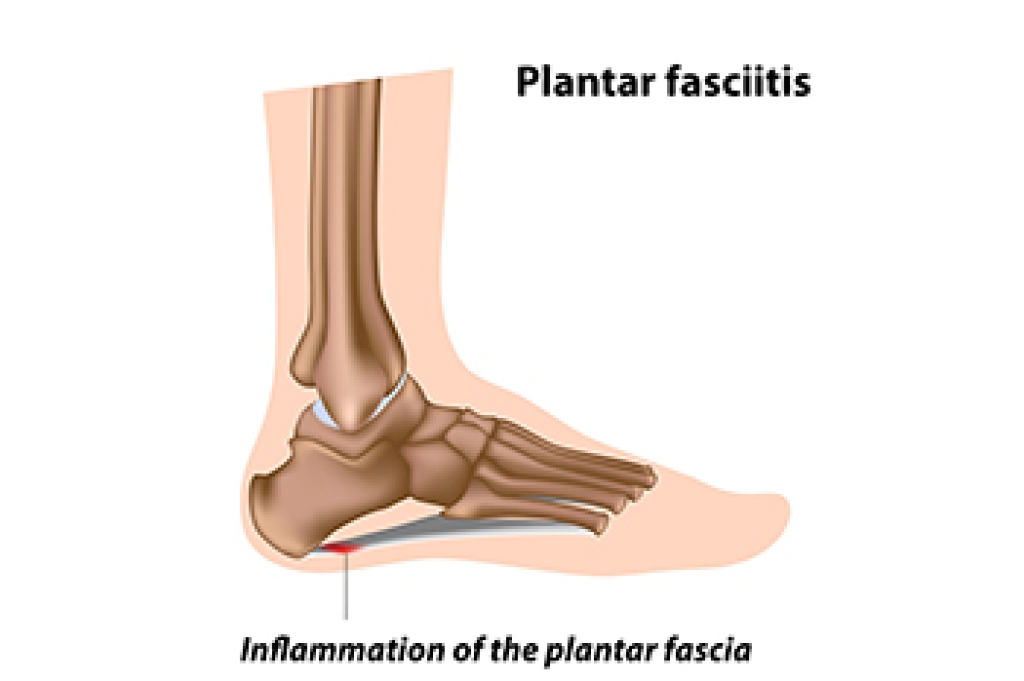
Plantar fasciitis is the inflammation of the thick band of tissue that runs along the bottom of your foot, known as the plantar fascia, and causes mild to severe heel pain.

What Causes Plantar Fasciitis?

  • Excessive running
  • Non-supportive shoes
  • Overpronation
  • Repeated stretching and tearing of the plantar fascia

How Can It Be Treated?

  • Conservative measures – anti-inflammatories, ice packs, stretching exercises, physical therapy, orthotic devices
  • Shockwave therapy – sound waves are sent to the affected area to facilitate healing and are usually used for chronic cases of plantar fasciitis
  • Surgery – usually only used as a last resort when all else fails. The plantar fascia can be surgically detached from the heel

While very treatable, plantar fasciitis is definitely not something that should be ignored. Especially in severe cases, speaking to your doctor right away is highly recommended to avoid complications and severe heel pain. Your podiatrist can work with you to provide the appropriate treatment options tailored to your condition.

If you have any questions, please feel free to contact our office located in Hoover, Oneonta, and Munford, AL . We offer the newest diagnostic and treatment technologies for all your foot care needs.

Read more about Plantar Fasciitis

Connect With Us

scroll to top