If you're suffering from an ankle fracture, professional attention shouldn't wait. Fractures may worsen over time and can make completing everyday activities incredibly difficult. See your specialist for treatment and guidance through the healing process.
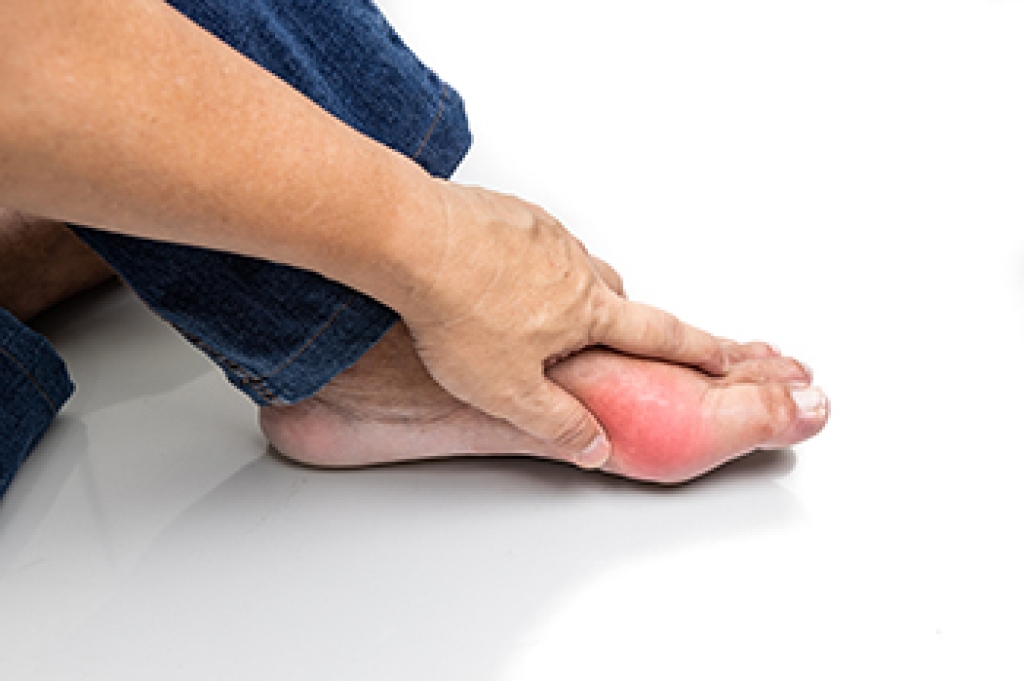
Gout is a type of arthritis that is caused by the accumulation of uric acid crystals in the joints. This condition primarily affects the joints, with the big toe being a common target. The development of gout is closely linked to high levels of uric acid in the blood, a condition known as hyperuricemia. Uric acid is a byproduct of the breakdown of purines found in many foods and beverages. When the body produces too much uric acid or fails to excrete it efficiently, uric acid crystals can form and settle in the joints, leading to inflammation, swelling, and intense pain. Several factors can contribute to the risk of developing gout, including genetics, diet, and lifestyle choices. Additionally, consuming purine-rich foods, excessive alcohol consumption, and certain medical conditions can all elevate uric acid levels and increase the likelihood of gout attacks. Understanding the causes of gout is crucial for managing and preventing gout flare-ups, allowing individuals to enjoy a better quality of life. If you have had one or more gout attacks, it is strongly suggested that you confer with a podiatrist who can help you manage this condition.
Gout is a foot condition that requires certain treatment and care. If you are seeking treatment, contact Charles Oehrlein, DPM from Hoover Foot Care. Our practitioner will treat your foot and ankle needs.
What Is Gout?
Gout is a type of arthritis caused by a buildup of uric acid in the bloodstream. It often develops in the foot, especially the big toe area, although it can manifest in other parts of the body as well. Gout can make walking and standing very painful and is especially common in diabetics and the obese.
People typically get gout because of a poor diet. Genetic predisposition is also a factor. The children of parents who have had gout frequently have a chance of developing it themselves.
Gout can easily be identified by redness and inflammation of the big toe and the surrounding areas of the foot. Other symptoms include extreme fatigue, joint pain, and running high fevers. Sometimes corticosteroid drugs can be prescribed to treat gout, but the best way to combat this disease is to get more exercise and eat a better diet.
If you have any questions, please feel free to contact our office located in Hoover,Oneonta, and Munford, AL. We offer the newest diagnostic and treatment technologies for all your foot care needs.
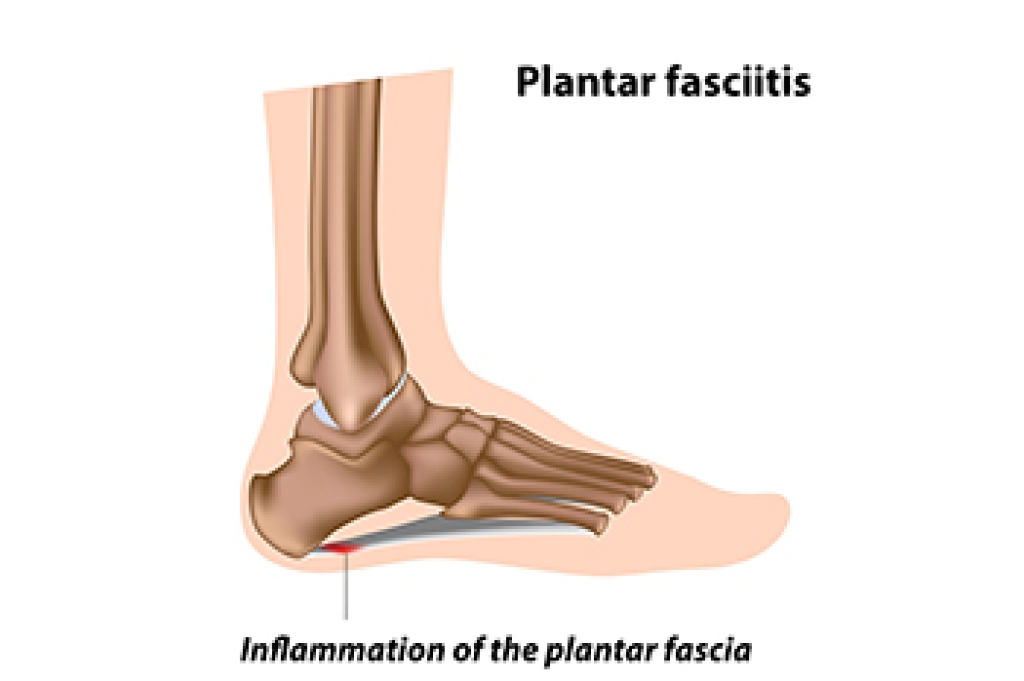
Plantar fasciitis, a common and often debilitating foot condition, can bring your daily life to a halt due to severe heel pain. Fortunately, various treatment options are available to help you regain your comfort and mobility. Conservative measures like rest and taking anti-inflammatory medications can help to alleviate discomfort. Wearing supportive footwear with proper arch support and cushioning can significantly reduce strain on the plantar fascia. Stretching exercises that target the calf muscles and Achilles tendon can also provide relief by loosening tight structures around the foot. Custom orthotics may be recommended to support the arch and distribute pressure evenly. In rare cases, when conservative treatments are not sufficient, medical interventions such as cortico-steroid injections or surgery may be considered. Plantar fasciitis can be challenging, but with the right approach and patience, you can overcome it and return to a pain-free, active lifestyle. If you have heel pain, it is suggested that you contact a podiatrist who can effectively diagnose and treat plantar fasciitis.
Plantar fasciitis can be very painful and inconvenient. If you are experiencing heel pain or symptoms of plantar fasciitis, contact Charles Oehrlein, DPM from Hoover Foot Care. Our practitioner can provide the care you need to keep you pain-free and on your feet.
What Is Plantar Fasciitis?
Plantar fasciitis is the inflammation of the thick band of tissue that runs along the bottom of your foot, known as the plantar fascia, and causes mild to severe heel pain.
What Causes Plantar Fasciitis?
Excessive running
Non-supportive shoes
Overpronation
Repeated stretching and tearing of the plantar fascia
Shockwave therapy – sound waves are sent to the affected area to facilitate healing and are usually used for chronic cases of plantar fasciitis
Surgery – usually only used as a last resort when all else fails. The plantar fascia can be surgically detached from the heel
While very treatable, plantar fasciitis is definitely not something that should be ignored. Especially in severe cases, speaking to your doctor right away is highly recommended to avoid complications and severe heel pain. Your podiatrist can work with you to provide the appropriate treatment options tailored to your condition.
If you have any questions, please feel free to contact our office located in Hoover,Oneonta, and Munford, AL. We offer the newest diagnostic and treatment technologies for all your foot care needs.
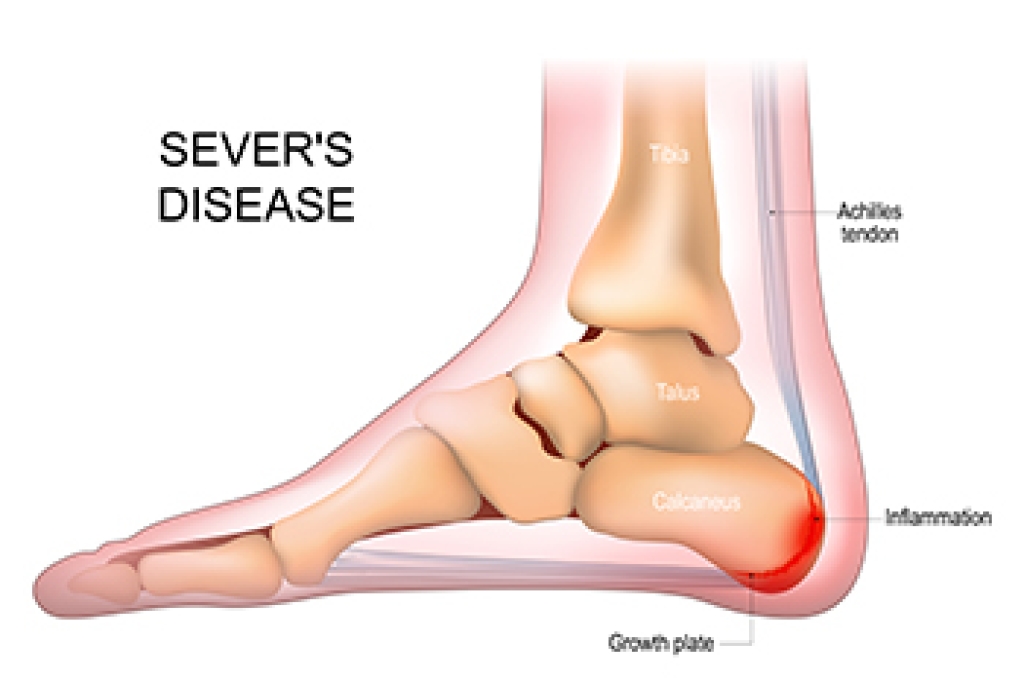
Sever's disease, which is also known as calcaneal apophysitis, is a common ailment affecting young athletes. This condition arises during the child's growth spurt years when the heel bone's growth plate becomes inflamed as a result of repetitive stress. Sporting activities involving running and jumping can exacerbate the condition. The intensity of physical activity, coupled with the bones growing at different rates, puts strain on the developing heel. The result is pain and tenderness that can disrupt a young athlete's active life. Thankfully, effective treatments exist. Rest and activity modification can help to alleviate pressure, in addition to elevating the affected foot. Performing stretching exercises that target calf muscles and wearing supportive, cushioned footwear also can aid in recovery. Consulting a podiatrist is important for an accurate diagnosis and a tailored treatment plan. With appropriate care, Sever's disease can be managed, ensuring a smoother journey toward adulthood's peak physical performance. If your child has heel pain, it is suggested that you consult this type of doctor who can treat Sever’s disease.
Sever's disease often occurs in children and teens. If your child is experiencing foot or ankle pain, see Charles Oehrlein, DPM from Hoover Foot Care. Our practitioner can treat your child’s foot and ankle needs.
Sever’s Disease
Sever’s disease is also known as calcaneal apophysitis, which is a medical condition that causes heel pain I none or both feet. The disease is known to affect children between the ages of 8 and 14.
Sever’s disease occurs when part of the child’s heel known as the growth plate (calcaneal epiphysis) is attached to the Achilles tendon. This area can suffer injury when the muscles and tendons of the growing foot do not keep pace with bone growth. Therefore, the constant pain which one experiences at the back of the heel will make the child unable to put any weight on the heel. The child is then forced to walk on their toes.
Symptoms
Acute pain – Pain associated with Sever’s disease is usually felt in the heel when the child engages in physical activity such as walking, jumping and or running.
Highly active – Children who are very active are among the most susceptible in experiencing Sever’s disease, because of the stress and tension placed on their feet.
If you have any questions, please feel free to contact our office located in Hoover,Oneonta, and Munford, AL. We offer the newest diagnostic and treatment technologies for all your foot care needs.
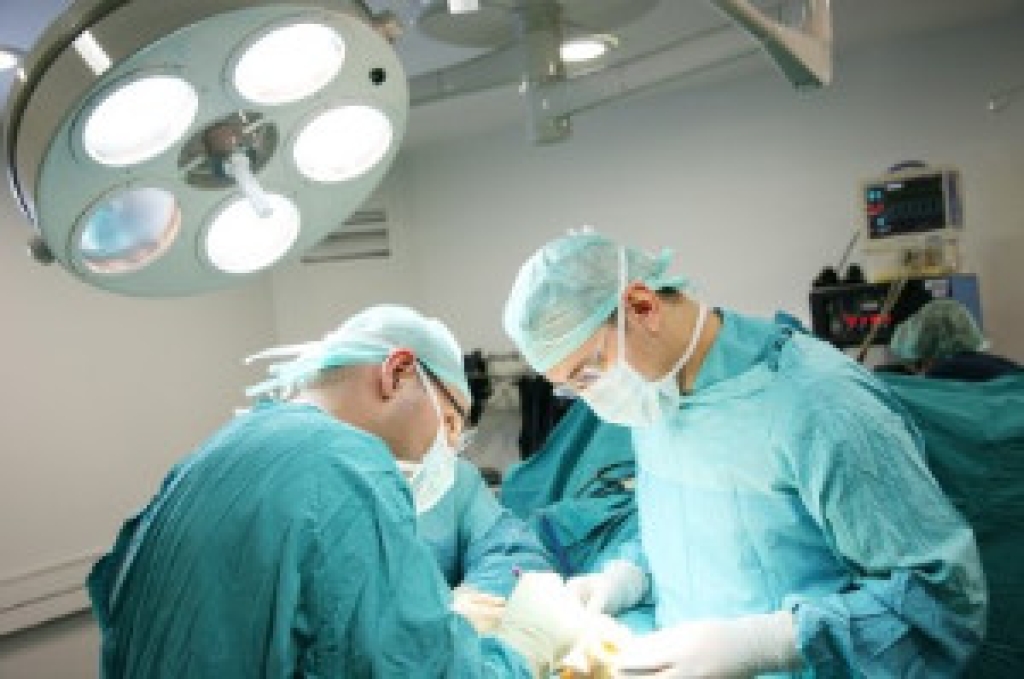
In recent years, minimally invasive surgery has garnered increasing attention as a potential solution for correcting foot and ankle deformities. Unlike traditional open procedures that require large incisions, minimally invasive surgery involves small, precise incisions. The anticipated advantages of this type of surgery include the preservation of blood supply, reduced harm to adjacent soft tissues, and a decreased incidence of wound complications. Minimally invasive surgical techniques can be performed for deformities such as flat feet, bunions, and hammertoe surgeries. If you have foot or ankle deformities, it is suggested that you make an appointment with a podiatrist to discuss whether minimally invasive surgery can help you.
Foot surgery is sometimes necessary to treat a foot ailment. To learn more, contact Charles Oehrlein, DPM of Hoover Foot Care. Our practitioner will assist you with all of your foot and ankle needs.
When Is Surgery Necessary?
Foot and ankle surgery is generally reserved for cases in which less invasive, conservative procedures have failed to alleviate the problem. Some of the cases in which surgery may be necessary include:
Removing foot deformities like bunions and bone spurs
Severe arthritis that has caused bone issues
Cosmetic reconstruction
What Types of Surgery Are There?
The type of surgery you receive will depend on the nature of the problem you have. Some of the possible surgeries include:
Bunionectomy for painful bunions
Surgical fusion for realignment of bones
Neuropathy decompression surgery to treat nerve damage
Benefits of Surgery
Although surgery is usually a last resort, it can provide more complete pain relief compared to non-surgical methods and may allow you to finally resume full activity.
Surgical techniques have also become increasingly sophisticated. Techniques like endoscopic surgery allow for smaller incisions and faster recovery times.
If you have any questions, please feel free to contact our office located in Hoover,Oneonta, and Munford, AL. We offer the newest diagnostic and treatment technologies for all your foot care needs.