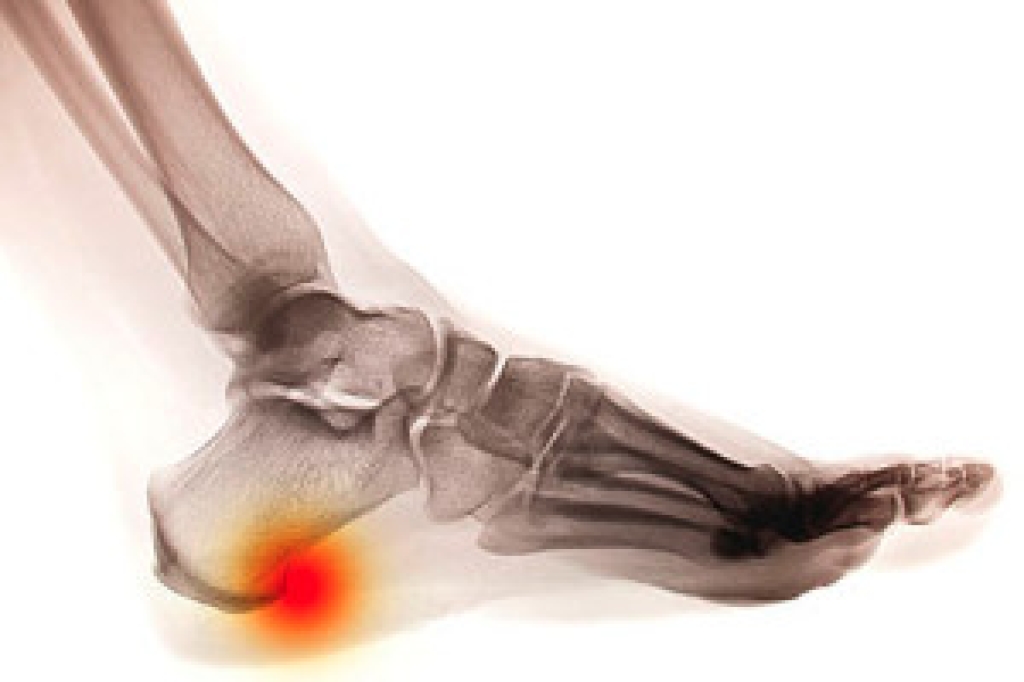
If you're suffering from an ankle fracture, professional attention shouldn't wait. Fractures may worsen over time and can make completing everyday activities incredibly difficult. See your specialist for treatment and guidance through the healing process.
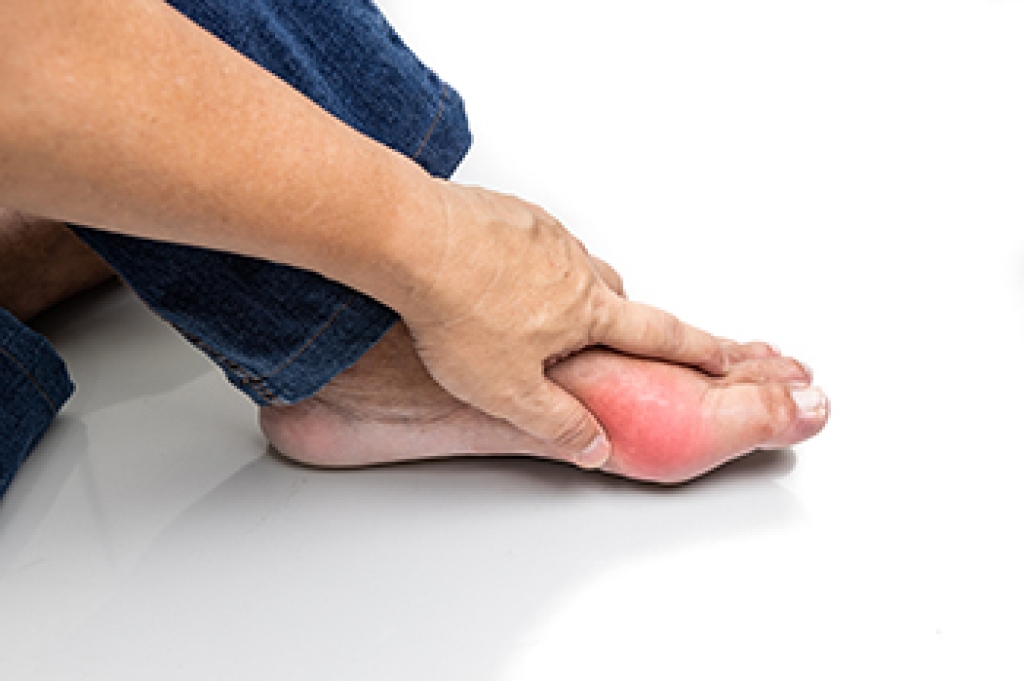
Gout is a type of arthritis that is caused by the accumulation of uric acid crystals in the joints. This condition primarily affects the joints, with the big toe being a common target. The development of gout is closely linked to high levels of uric acid in the blood, a condition known as hyperuricemia. Uric acid is a byproduct of the breakdown of purines found in many foods and beverages. When the body produces too much uric acid or fails to excrete it efficiently, uric acid crystals can form and settle in the joints, leading to inflammation, swelling, and intense pain. Several factors can contribute to the risk of developing gout, including genetics, diet, and lifestyle choices. Additionally, consuming purine-rich foods, excessive alcohol consumption, and certain medical conditions can all elevate uric acid levels and increase the likelihood of gout attacks. Understanding the causes of gout is crucial for managing and preventing gout flare-ups, allowing individuals to enjoy a better quality of life. If you have had one or more gout attacks, it is strongly suggested that you confer with a podiatrist who can help you manage this condition.
Gout is a foot condition that requires certain treatment and care. If you are seeking treatment, contact Charles Oehrlein, DPM from Hoover Foot Care. Our practitioner will treat your foot and ankle needs.
What Is Gout?
Gout is a type of arthritis caused by a buildup of uric acid in the bloodstream. It often develops in the foot, especially the big toe area, although it can manifest in other parts of the body as well. Gout can make walking and standing very painful and is especially common in diabetics and the obese.
People typically get gout because of a poor diet. Genetic predisposition is also a factor. The children of parents who have had gout frequently have a chance of developing it themselves.
Gout can easily be identified by redness and inflammation of the big toe and the surrounding areas of the foot. Other symptoms include extreme fatigue, joint pain, and running high fevers. Sometimes corticosteroid drugs can be prescribed to treat gout, but the best way to combat this disease is to get more exercise and eat a better diet.
If you have any questions, please feel free to contact our office located in Hoover,Oneonta, and Munford, AL. We offer the newest diagnostic and treatment technologies for all your foot care needs.
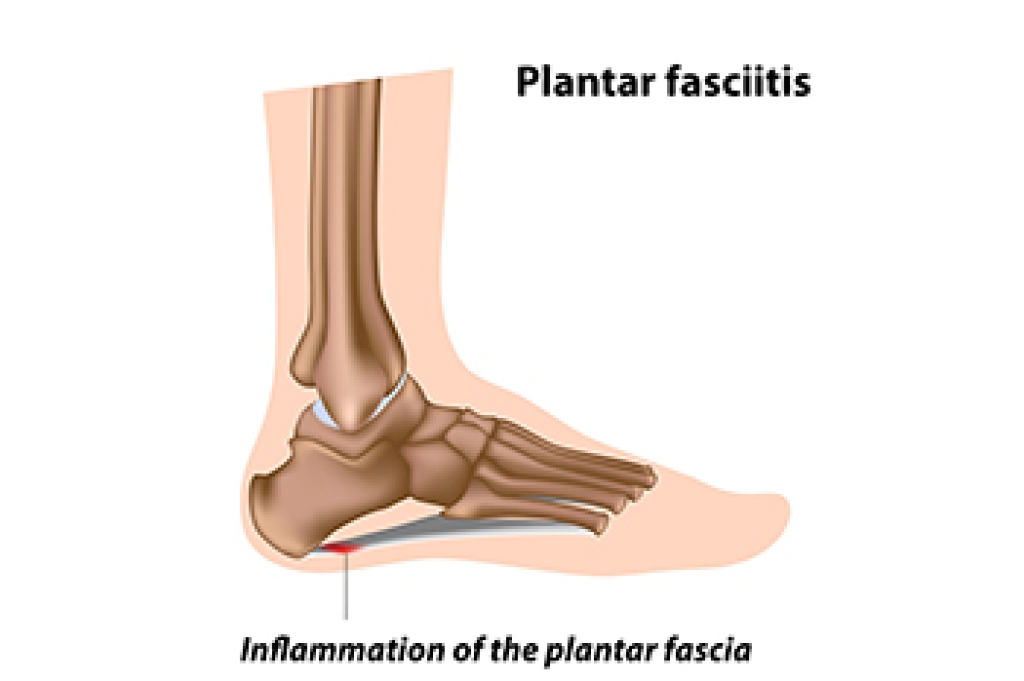
Plantar fasciitis, a common and often debilitating foot condition, can bring your daily life to a halt due to severe heel pain. Fortunately, various treatment options are available to help you regain your comfort and mobility. Conservative measures like rest and taking anti-inflammatory medications can help to alleviate discomfort. Wearing supportive footwear with proper arch support and cushioning can significantly reduce strain on the plantar fascia. Stretching exercises that target the calf muscles and Achilles tendon can also provide relief by loosening tight structures around the foot. Custom orthotics may be recommended to support the arch and distribute pressure evenly. In rare cases, when conservative treatments are not sufficient, medical interventions such as cortico-steroid injections or surgery may be considered. Plantar fasciitis can be challenging, but with the right approach and patience, you can overcome it and return to a pain-free, active lifestyle. If you have heel pain, it is suggested that you contact a podiatrist who can effectively diagnose and treat plantar fasciitis.
Plantar fasciitis can be very painful and inconvenient. If you are experiencing heel pain or symptoms of plantar fasciitis, contact Charles Oehrlein, DPM from Hoover Foot Care. Our practitioner can provide the care you need to keep you pain-free and on your feet.
What Is Plantar Fasciitis?
Plantar fasciitis is the inflammation of the thick band of tissue that runs along the bottom of your foot, known as the plantar fascia, and causes mild to severe heel pain.
What Causes Plantar Fasciitis?
Excessive running
Non-supportive shoes
Overpronation
Repeated stretching and tearing of the plantar fascia
Shockwave therapy – sound waves are sent to the affected area to facilitate healing and are usually used for chronic cases of plantar fasciitis
Surgery – usually only used as a last resort when all else fails. The plantar fascia can be surgically detached from the heel
While very treatable, plantar fasciitis is definitely not something that should be ignored. Especially in severe cases, speaking to your doctor right away is highly recommended to avoid complications and severe heel pain. Your podiatrist can work with you to provide the appropriate treatment options tailored to your condition.
If you have any questions, please feel free to contact our office located in Hoover,Oneonta, and Munford, AL. We offer the newest diagnostic and treatment technologies for all your foot care needs.
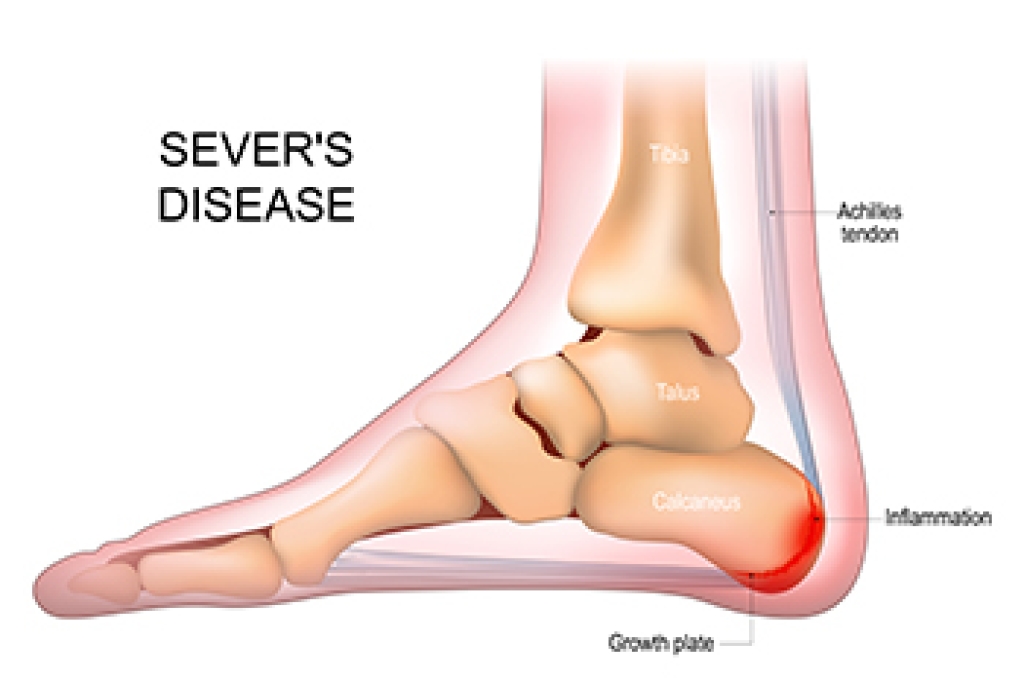
Sever's disease, which is also known as calcaneal apophysitis, is a common ailment affecting young athletes. This condition arises during the child's growth spurt years when the heel bone's growth plate becomes inflamed as a result of repetitive stress. Sporting activities involving running and jumping can exacerbate the condition. The intensity of physical activity, coupled with the bones growing at different rates, puts strain on the developing heel. The result is pain and tenderness that can disrupt a young athlete's active life. Thankfully, effective treatments exist. Rest and activity modification can help to alleviate pressure, in addition to elevating the affected foot. Performing stretching exercises that target calf muscles and wearing supportive, cushioned footwear also can aid in recovery. Consulting a podiatrist is important for an accurate diagnosis and a tailored treatment plan. With appropriate care, Sever's disease can be managed, ensuring a smoother journey toward adulthood's peak physical performance. If your child has heel pain, it is suggested that you consult this type of doctor who can treat Sever’s disease.
Sever's disease often occurs in children and teens. If your child is experiencing foot or ankle pain, see Charles Oehrlein, DPM from Hoover Foot Care. Our practitioner can treat your child’s foot and ankle needs.
Sever’s Disease
Sever’s disease is also known as calcaneal apophysitis, which is a medical condition that causes heel pain I none or both feet. The disease is known to affect children between the ages of 8 and 14.
Sever’s disease occurs when part of the child’s heel known as the growth plate (calcaneal epiphysis) is attached to the Achilles tendon. This area can suffer injury when the muscles and tendons of the growing foot do not keep pace with bone growth. Therefore, the constant pain which one experiences at the back of the heel will make the child unable to put any weight on the heel. The child is then forced to walk on their toes.
Symptoms
Acute pain – Pain associated with Sever’s disease is usually felt in the heel when the child engages in physical activity such as walking, jumping and or running.
Highly active – Children who are very active are among the most susceptible in experiencing Sever’s disease, because of the stress and tension placed on their feet.
If you have any questions, please feel free to contact our office located in Hoover,Oneonta, and Munford, AL. We offer the newest diagnostic and treatment technologies for all your foot care needs.
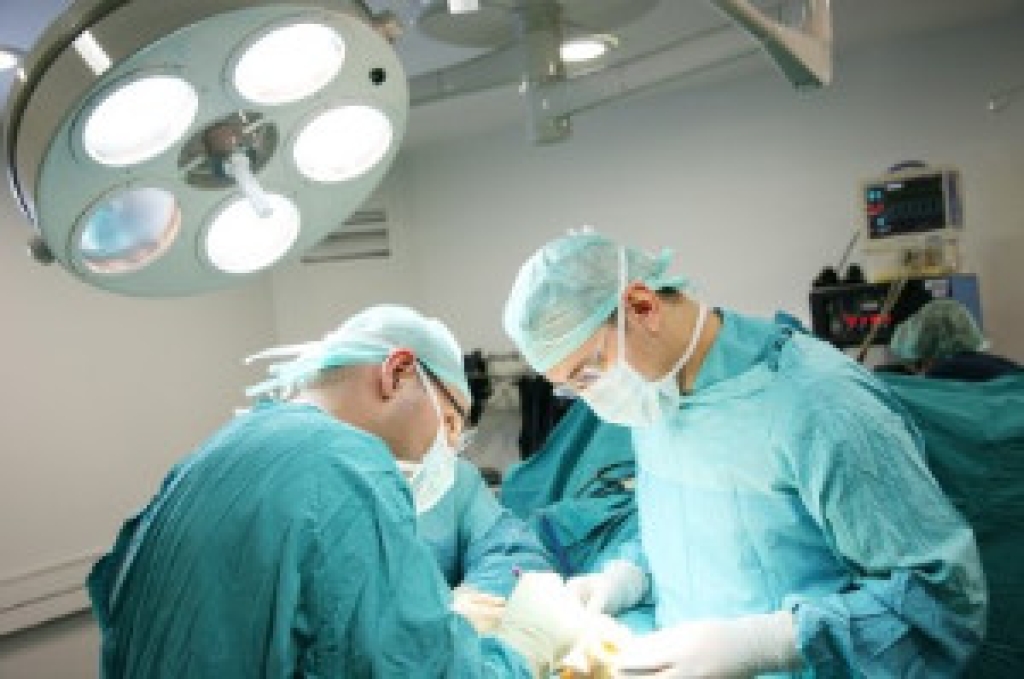
In recent years, minimally invasive surgery has garnered increasing attention as a potential solution for correcting foot and ankle deformities. Unlike traditional open procedures that require large incisions, minimally invasive surgery involves small, precise incisions. The anticipated advantages of this type of surgery include the preservation of blood supply, reduced harm to adjacent soft tissues, and a decreased incidence of wound complications. Minimally invasive surgical techniques can be performed for deformities such as flat feet, bunions, and hammertoe surgeries. If you have foot or ankle deformities, it is suggested that you make an appointment with a podiatrist to discuss whether minimally invasive surgery can help you.
Foot surgery is sometimes necessary to treat a foot ailment. To learn more, contact Charles Oehrlein, DPM of Hoover Foot Care. Our practitioner will assist you with all of your foot and ankle needs.
When Is Surgery Necessary?
Foot and ankle surgery is generally reserved for cases in which less invasive, conservative procedures have failed to alleviate the problem. Some of the cases in which surgery may be necessary include:
Removing foot deformities like bunions and bone spurs
Severe arthritis that has caused bone issues
Cosmetic reconstruction
What Types of Surgery Are There?
The type of surgery you receive will depend on the nature of the problem you have. Some of the possible surgeries include:
Bunionectomy for painful bunions
Surgical fusion for realignment of bones
Neuropathy decompression surgery to treat nerve damage
Benefits of Surgery
Although surgery is usually a last resort, it can provide more complete pain relief compared to non-surgical methods and may allow you to finally resume full activity.
Surgical techniques have also become increasingly sophisticated. Techniques like endoscopic surgery allow for smaller incisions and faster recovery times.
If you have any questions, please feel free to contact our office located in Hoover,Oneonta, and Munford, AL. We offer the newest diagnostic and treatment technologies for all your foot care needs.
Cycling offers numerous health benefits, including cardiovascular improvement, enhanced joint mobility, and strengthened leg muscles. However, cycling without the proper footwear also can strain your lower limbs. While regular running shoes are suitable for occasional cyclists, dedicated cyclists who spend hours daily on the road or in the gym require specialized cycling shoes. Orthotics can play a pivotal role in boosting cycling performance as they can help to increase pedal efficiency, enhance power output, and improve foot stability. They also can help to reduce foot fatigue, improve arch support, provide better metatarsal padding, and offer relief from plantar fascial tension. Custom-made shoe insoles are an important consideration for cycling enthusiasts with flat feet, supination, pronation issues, or specific conditions like plantar fasciitis. A podiatrist can make a set of orthotics designed to fit your unique foot structure, using custom molds that mirror the exact shape of the foot. For help with custom shoe inserts made specifically for cycling shoes, it is suggested that you make an appointment with a podiatrist.
If you are having discomfort in your feet and would like to try orthotics, contact Charles Oehrlein, DPM from Hoover Foot Care. Our practitioner can provide the care you need to keep you pain-free and on your feet.
What Are Orthotics?
Orthotics are inserts you can place into your shoes to help with a variety of foot problems such as flat feet or foot pain. Orthotics provide relief and comfort for minor foot and heel pain but can’t correct serious biomechanical problems in your feet.
Over-the-Counter Inserts
Orthotics come in a wide variety of over-the-counter inserts that are used to treat foot pain, heel pain, and minor problems. For example, arch supports can be inserted into your shoes to help correct overarched or flat feet, while gel insoles are often used because they provide comfort and relief from foot and heel pain by alleviating pressure.
Prescription Orthotics
If over-the-counter inserts don’t work for you or if you have a more severe foot concern, it is possible to have your podiatrist prescribe custom orthotics. These high-quality inserts are designed to treat problems such as abnormal motion, plantar fasciitis, and severe forms of heel pain. They can even be used to help patients suffering from diabetes by treating foot ulcers and painful calluses and are usually molded to your feet individually, which allows them to provide full support and comfort.
If you are experiencing minor to severe foot or heel pain, it’s recommended to speak with your podiatrist about the possibilities of using orthotics. A podiatrist can determine which type of orthotic is right for you and allow you to take the first steps towards being pain-free.
If you have any questions, please feel free to contact our office located in Hoover,Oneonta, and Munford, AL. We offer the newest diagnostic and treatment technologies for all your foot care needs.
If you're experiencing ankle pain, you may be suffering from an ankle injury. Sprains, fractures, Achilles tendonitis, and Achilles tendon ruptures are just some examples of potential ankle injuries. Don't wait for care for an ankle injury, as it may worsen over time. We can help!
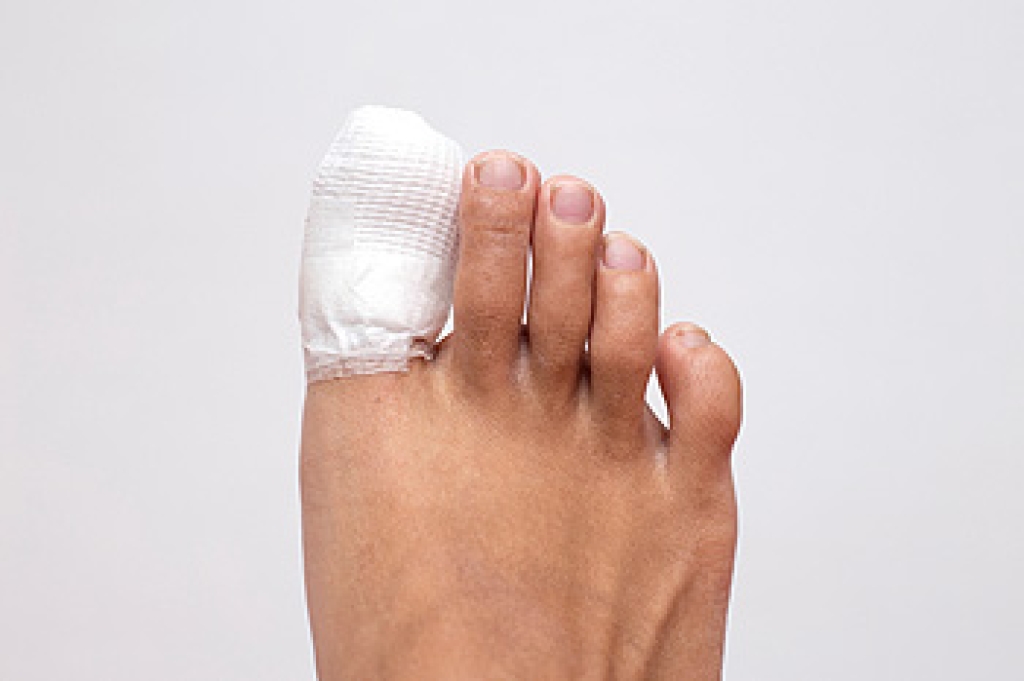
Common symptoms of a broken, or fractured, toe include pain, swelling, and a change in skin color due to bruising or bleeding under the skin. If these symptoms persist for more than a few days or hinder walking and wearing shoes, it is advisable to seek help from a podiatrist. The causes of a broken toe are typically related to accidents and injuries. Dropping something heavy on the foot or stubbing the toe against a hard object are the most common causes. A broken toe may include the risk of infection if the skin is cut near the injured toe, possibly leading to a chance of bone infection. Additionally, there' is a possibility of developing osteoarthritis, a wear and tear type of arthritis, particularly if the break affects one of the toe joints. Despite the discomfort and potential complications associated with toe fractures, the most common treatment for a toe fracture is buddy taping, where the injured toe is taped to the one next to it. Wearing rigid soled shoes can help by limiting joint movement. For anyone who is experiencing extreme symptoms of a broken toe or is concerned about potential complications, it is suggested that you make an appointment with a podiatrist.
Broken toes may cause a lot of pain and should be treated as soon as possible. If you have any concerns about your feet, contact Charles Oehrlein, DPM from Hoover Foot Care. Our practitioner will treat your foot and ankle needs.
What Is a Broken Toe?
A broken toe occurs when one or more of the toe bones of the foot are broken after an injury. Injuries such as stubbing your toe or dropping a heavy object on it may cause a toe fracture.
Symptoms of a Broken Toe
Swelling
Pain (with/without wearing shoes)
Stiffness
Nail Injury
Although the injured toe should be monitored daily, it is especially important to have a podiatrist look at your toe if you have severe symptoms. Some of these symptoms include worsening or new pain that is not relieved with medication, sores, redness, or open wounds near the toe.
If you have any questions please feel free to contact our office located in Hoover,Oneonta, and Munford, AL. We offer the newest diagnostic tools and technology to treat your foot and ankle needs.
Your feet are your constant companions, carrying you through life's journey. When injuries occur, proper wound care is vital to ensure a speedy recovery and prevent complications. The following are steps that can be taken for proper wound care. Begin by washing your hands thoroughly with soap and water to avoid introducing bacteria into the wound. Gently cleanse the affected area with mild soap and warm water, patting it dry with a clean towel. Bleeding can be controlled by applying gentle pressure with a clean cloth or sterile gauze. Using an antiseptic solution or ointment can help to disinfect the wound and minimize the risk of infection. This can be followed by applying an adhesive bandage or sterile dressing to shield the wound from dirt and friction. Change the dressing regularly and keep an eye on any signs of infection, such as increased redness, swelling, or discharge. By following these simple wound care steps, you can safeguard the health of your feet. If the bleeding persists or the wound is deep, it is suggested to seek prompt medical attention from a podiatrist.
Wound care is an important part in dealing with diabetes. If you have diabetes and a foot wound or would like more information about wound care for diabetics, consult with Charles Oehrlein, DPM from Hoover Foot Care. Our practitioner will assess your condition and provide you with quality foot and ankle treatment.
What Is Wound Care?
Wound care is the practice of taking proper care of a wound. This can range from the smallest to the largest of wounds. While everyone can benefit from proper wound care, it is much more important for diabetics. Diabetics often suffer from poor blood circulation which causes wounds to heal much slower than they would in a non-diabetic.
What Is the Importance of Wound Care?
While it may not seem apparent with small ulcers on the foot, for diabetics, any size ulcer can become infected. Diabetics often also suffer from neuropathy, or nerve loss. This means they might not even feel when they have an ulcer on their foot. If the wound becomes severely infected, amputation may be necessary. Therefore, it is of the upmost importance to properly care for any and all foot wounds.
How to Care for Wounds
The best way to care for foot wounds is to prevent them. For diabetics, this means daily inspections of the feet for any signs of abnormalities or ulcers. It is also recommended to see a podiatrist several times a year for a foot inspection. If you do have an ulcer, run the wound under water to clear dirt from the wound; then apply antibiotic ointment to the wound and cover with a bandage. Bandages should be changed daily and keeping pressure off the wound is smart. It is advised to see a podiatrist, who can keep an eye on it.
If you have any questions please contact our office located in Hoover,Oneonta, and Munford, AL. We offer the newest diagnostic and treatment technologies for all your foot and ankle needs.
Many people think there is a mystery behind what heel spurs are and why they develop. Heel spurs form when our feet endure repeated stress and strain. A heel spur is defined as a small bone that protrudes from the underside of the heel. As we grow, our bones may develop bony growths that can be common around the heels. These growths are referred to as heel spurs and can be uncomfortable. Heel spurs seem to present as a warning sign the body provides to reduce excessive pressure on the heel. Activities such as running, dancing, or even wearing unsupportive shoes can contribute to the development of a heel spur. Certain factors can increase their likelihood, such as being overweight or having abnormal walking patterns. It is beneficial to be proactive in preventing heel spurs. Effective methods can include wearing supportive shoes and practicing proper foot stretching. If you have pain in your heel, it is suggested that you visit a podiatrist who can diagnose and treat heel spurs.
Heel spurs can be incredibly painful and sometimes may make you unable to participate in physical activities. To get medical care for your heel spurs, contact Charles Oehrlein, DPM from Hoover Foot Care. Our practitioner will do everything possible to treat your condition.
Heels Spurs
Heel spurs are formed by calcium deposits on the back of the foot where the heel is. This can also be caused by small fragments of bone breaking off one section of the foot, attaching onto the back of the foot. Heel spurs can also be bone growth on the back of the foot and may grow in the direction of the arch of the foot.
Older individuals usually suffer from heel spurs and pain sometimes intensifies with age. One of the main condition's spurs are related to is plantar fasciitis.
Pain
The pain associated with spurs is often because of weight placed on the feet. When someone is walking, their entire weight is concentrated on the feet. Bone spurs then have the tendency to affect other bones and tissues around the foot. As the pain continues, the feet will become tender and sensitive over time.
Treatments
There are many ways to treat heel spurs. If one is suffering from heel spurs in conjunction with pain, there are several methods for healing. Medication, surgery, and herbal care are some options.
If you have any questions, please feel free to contact our office located in Hoover,Oneonta, and Munford, AL. We offer the newest diagnostic and treatment technologies for all your foot care needs.