Matching Your Footwear to Your Run

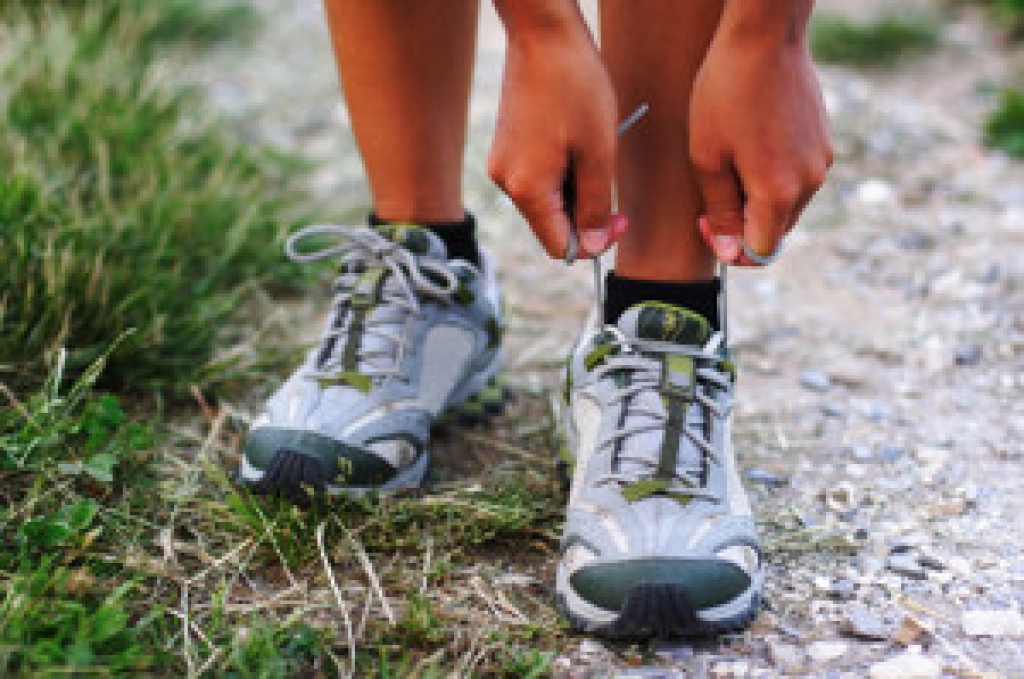
Choosing the right running shoes is vital for optimizing performance and preventing foot injuries from different types of running. For long-distance running, prioritizing cushioning and support is key to absorbing impact and maintaining comfort over extended periods. Look for shoes with ample cushioning in the midsole and a supportive heel counter to minimize fatigue and strain. For trail running, opt for trail running shoes with durable outsoles and enhanced traction to navigate rugged terrain confidently. These shoes often feature protective elements like rock plates to shield your feet from uneven surfaces and debris. For speedwork and races, lightweight and responsive running shoes are ideal to maximize agility and propulsion. Seek out styles with minimal cushioning and a responsive midsole for a more efficient stride. By matching your footwear to the specific demands of your run, you can enhance your performance and enjoyment while minimizing the risk of discomfort or injury. If you have endured a foot injury from running, it is suggested that you consult a podiatrist who can treat foot pain, and guide you toward choosing the correct running shoes.

If you are a runner, wearing the right running shoe is essential. For more information, contact Charles Oehrlein, DPM from Hoover Foot Care. Our practitioner can provide the care you need to keep you pain-free and on your feet.

Choosing the Right Running Shoe for Your Foot Type

To increase performance and avoid the risk of injury, it is important to choose the right running shoe based on your foot type. The general design of running shoes revolves around pronation, which is how the ankle rolls from outside to inside when the foot strikes the ground.

  • Neutral runners are able to choose from a wide variety of shoes, including minimalist shoes or even going barefoot.
  • Runners who overpronate, or experience an over-abundance of ankle rolling, should choose shoes that provide extra motion control and stability.
  • Runners who underpronate, or supinate, have feet that have high arches and lack flexibility, preventing shock absorption. They require shoes with more flexibility and cushion.

If you have any questions, please feel free to contact our office located in Hoover, Oneonta, and Munford, AL . We offer the newest diagnostic and treatment technologies for all your foot care needs.

Read more about Choosing the Right Running Shoe for Your Foot Type

Bursitis Causes Heel Pain

Bursitis in the heel occurs when the bursae in the foot become inflamed. Bursae are small fluid-filled sacs near the joints that cushion the bones and tendons. This inflammation often results from overuse or excessive pressure on the heel, commonly seen in athletes or individuals who engage in frequent running or jumping. Heel bursitis can cause pain in the back of or deep inside the heel, which may worsen with activity and improve with rest. The pain may also be more pronounced in the morning or after long periods of inactivity. Bursitis can also lead to swelling, warmth, and redness in the affected area. Treatment typically involves resting the foot, taking anti-inflammatory medications, and wearing heel pads or orthotic devices to relieve pressure on the heel. Sometimes exercises are also recommended to strengthen the surrounding muscles and tissues. If conservative treatments fail, corticosteroid injections might be considered to reduce inflammation and pain. Taking steps to manage heel bursitis can prevent the condition from recurring and allow you to return to your regular activities without discomfort. If you have painful heels and suspect bursitis, it is suggested you make an appointment with a podiatrist for an evaluation. 

Many people suffer from bouts of heel pain. For more information, contact Charles Oehrlein, DPM of Hoover Foot Care. Our practitioner can provide the care you need to keep you pain-free and on your feet.

Causes of Heel Pain

Heel pain is often associated with plantar fasciitis. The plantar fascia is a band of tissues that extends along the bottom of the foot. A rip or tear in this ligament can cause inflammation of the tissue.

Achilles tendonitis is another cause of heel pain. Inflammation of the Achilles tendon will cause pain from fractures and muscle tearing. Lack of flexibility is also another symptom.

Heel spurs are another cause of pain. When the tissues of the plantar fascia undergo a great deal of stress, it can lead to ligament separation from the heel bone, causing heel spurs.

Why Might Heel Pain Occur?

  • Wearing ill-fitting shoes                
  • Wearing non-supportive shoes
  • Weight change           
  • Excessive running

Treatments

Heel pain should be treated as soon as possible for immediate results. Keeping your feet in a stress-free environment will help. If you suffer from Achilles tendonitis or plantar fasciitis, applying ice will reduce the swelling. Stretching before an exercise like running will help the muscles. Using all these tips will help make heel pain a condition of the past.

If you have any questions, please feel free to contact our office located in Hoover, Oneonta, and Munford, AL . We offer the newest diagnostic and treatment technologies for all your foot care needs.

Read more about Heel Pain

Avoiding Diabetic Foot Ulcers

Monitoring foot health is important for people with diabetes, as they are at a higher risk of developing foot ulcers due to reduced blood flow and nerve sensitivity in their feet. Daily foot inspections to check for cuts, blisters, or any unusual changes is an important prevention measure. It is also important to maintain good foot hygiene and wear well-fitted shoes that minimize pressure points. Regularly moisturize the feet, except between the toes, to help prevent dry skin and cracks that could potentially become infected. A foot doctor, or podiatrist, plays a key role in this preventative care. Podiatrists can conduct thorough foot exams during routine check-ups, provide professional nail care, and offer advice on appropriate footwear. They can also custom-fit diabetic shoes and prescribe orthotics to ensure even weight distribution, which reduces the risk of skin breakdown. Additionally, a podiatrist can help manage any corns, calluses, or minor wounds before they develop into serious complications. If you have diabetes and at a higher risk for developing foot ulcers, it is suggested that you add a podiatrist to your care team. 

Diabetic foot care is important in preventing foot ailments such as ulcers. If you are suffering from diabetes or have any other concerns about your feet, contact Charles Oehrlein, DPM from Hoover Foot Care. Our practitioner can provide the care you need to keep you pain-free and on your feet.

Diabetic Foot Care

Diabetes affects millions of people every year. The condition can damage blood vessels in many parts of the body, especially the feet. Because of this, taking care of your feet is essential if you have diabetes, and having a podiatrist help monitor your foot health is highly recommended.

The Importance of Caring for Your Feet

  • Routinely inspect your feet for bruises or sores.
  • Wear socks that fit your feet comfortably.
  • Wear comfortable shoes that provide adequate support.

Patients with diabetes should have their doctor monitor their blood levels, as blood sugar levels play such a huge role in diabetic care. Monitoring these levels on a regular basis is highly advised.

It is always best to inform your healthcare professional of any concerns you may have regarding your feet, especially for diabetic patients. Early treatment and routine foot examinations are keys to maintaining proper health, especially because severe complications can arise if proper treatment is not applied.

If you have any questions, please feel free to contact our office located in Hoover, Oneonta, and Munford, AL . We offer the newest diagnostic and treatment technologies for all your foot care needs.

Read more about How to Care for Diabetic Foot

Foot Pain From Standing at Work

Prolonged standing or walking at work can put excessive strain on the feet and lower limbs and lead to foot pain. Various foot conditions can arise from this, including plantar fasciitis, heel pain, or arch pain. Improper footwear or not taking regular breaks can make these issues worse. Podiatrists, or foot doctors, can diagnose and treat foot pain caused by these occupational factors. They can provide personalized recommendations tailored to your specific needs, including advice on proper footwear and stretching exercises to alleviate discomfort. Podiatrists may also offer custom orthotic devices to provide support and cushioning, reducing the strain on your feet and improving overall comfort. People who work on their feet don’t have to suffer. It is possible to find relief from pain, work more efficiently, and preserve overall foot health. If you are experiencing foot pain due to work or standing all day, make an appointment with a podiatrist to discuss your options. 

While working on the feet, it is important to take the proper care of them. For more information about working on your feet, contact Charles Oehrlein, DPM from Hoover Foot Care. Our practitioner will treat your foot and ankle needs.

Working on Your Feet

Standing on your feet for long periods of time can cause stress and pain in your feet. Your whole body may experience change in terms of posture, back pain, bunions, callouses and or plantar warts. There are ways to avoid these conditions with proper foot care, smart choices and correct posture.

Positive Changes

Negative heeled shoe – Choosing this shoe type places the heel slightly lower than the ball of the foot. These are great for overall foot health. Find shoes that fit you correctly.

Go barefoot – Our feet were not designed to be enclosed for all hours of the day. Try to periodically expose your feet to air.

Eliminate Pain

Foot Exercises – Performing simple exercises, incorporating yoga and doing stretches are beneficial. This will allow increased blood flow to the area and muscles of the foot.

Achilles tendon – Stretching the foot out flat on the floor will relax the calf muscles and tendon. These exercises can be performed almost anywhere. Make sure you add these exercises to your daily regimen. 

With a little bit of this information and knowing more about foot health, you will notice changes. Foot stretches and proper footwear will help with pain and prevent further issues.

If you have any questions please contact our office located in Hoover, Oneonta, and Munford, AL . We offer the newest diagnostic and treatment technologies for all your foot and ankle needs.

Read more about Working on Your Feet

Keep Your Feet Healthy So You Can Stay Active

Have your feet inspected by a professional before starting a new sport or physical activity. Taking charge of your foot health will keep you in good physical condition and can help you avoid a potential injury, such as a fracture or sprained ankle.

Prevent injuries and see a foot specialist.

Foot Injuries From Rock Climbing

Rock climbing, an exhilarating sport enjoyed by many, can also pose risks of foot injuries, both acute and chronic. Acute injuries often occur due to sudden trauma or overuse during climbs. Common acute foot injuries include sprains, strains, fractures, and abrasions, often resulting from slips, falls, or improper foot placements. Climbing shoes, designed for precision and grip, can exacerbate foot issues if they fit too tightly or lack proper support. Wearing ill-fitting shoes may lead to blisters, corns, or ingrown toenails, while prolonged use can contribute to conditions like plantar fasciitis or tendonitis. If you participate in rock climbing and have sustained a foot injury, it is suggested that you schedule an appointment with a podiatrist for diagnosis and treatment. These healthcare professionals can also provide guidance on proper shoe fit, and recommend supportive inserts, and custom-made orthotics.

Ankle and foot injuries are common among athletes and in many sports. They can be caused by several problems and may be potentially serious. If you are feeling pain or think you were injured in a sporting event or when exercising, consult with Charles Oehrlein, DPM from Hoover Foot Care. Our practitioner will assess your condition and provide you with quality foot and ankle treatment.

Common Injuries

The most common injuries that occur in sporting activities include:

  • Achilles Tendonitis
  • Achilles Tendon Rupture
  • Ankle Sprains
  • Broken Foot
  • Plantar Fasciitis
  • Stress Fractures
  • Turf Toe

Symptoms

Symptoms vary depending upon the injury and in some cases, there may be no symptoms at all. However, in most cases, some form of symptom is experienced. Pain, aching, burning, bruising, tenderness, tightness or stiffness, sensation loss, difficulty moving, and swelling are the most common symptoms.

Treatment

Just as symptoms vary depending upon the injury, so do treatment options. A common treatment method is known as the RICE method. This method involves rest, applying ice, compression and elevating the afflicted foot or ankle. If the injury appears to be more serious, surgery might be required, such as arthroscopic or reconstructive surgery. Lastly, rehabilitation or therapy might be needed to gain full functionality in the afflicted area. Any discomfort experienced by an athlete must be evaluated by a licensed, reputable medical professional.  

If you have any questions please contact our office located in Hoover, Oneonta, and Munford, AL . We offer the newest diagnostic and treatment technologies for all your foot and ankle needs.

Read more about Sports Related Foot and Ankle Injuries

What Happens During Bunion Surgery

The goal of bunion surgery is to correct the deformity of the big toe that causes pain and discomfort. The procedure generally involves an incision in the foot near the big toe to access the bunion. The bones, ligaments, tendons, and nerves are then realigned to correct the deformity. In some cases, small pieces of bone might be removed, or the bones may be cut and realigned with pins or plates to maintain the correct position. The specific technique used depends on the severity of the bunion and the patient's foot structure. After surgery, the foot is typically bandaged. Patients may need to wear a special boot or shoe to protect the foot and keep it in the correct position during the healing process. Recovery time varies, but it generally involves several weeks of limited movement to allow the foot to heal properly. Follow-up visits with the podiatrist are important to monitor the healing process and begin rehabilitation exercises to restore strength and mobility to the foot. If you have a bunion, it is suggested that you schedule an appointment with a podiatrist to discuss whether bunion surgery is right for you. 

Foot surgery is sometimes necessary to treat a foot ailment. To learn more, contact Charles Oehrlein, DPM of Hoover Foot Care. Our practitioner will assist you with all of your foot and ankle needs.

When Is Surgery Necessary?

Foot and ankle surgery is generally reserved for cases in which less invasive, conservative procedures have failed to alleviate the problem. Some of the cases in which surgery may be necessary include:

  • Removing foot deformities like bunions and bone spurs
  • Severe arthritis that has caused bone issues
  • Cosmetic reconstruction

What Types of Surgery Are There?

The type of surgery you receive will depend on the nature of the problem you have. Some of the possible surgeries include:

  • Bunionectomy for painful bunions
  • Surgical fusion for realignment of bones
  • Neuropathy decompression surgery to treat nerve damage

Benefits of Surgery

Although surgery is usually a last resort, it can provide more complete pain relief compared to non-surgical methods and may allow you to finally resume full activity.

Surgical techniques have also become increasingly sophisticated. Techniques like endoscopic surgery allow for smaller incisions and faster recovery times.

If you have any questions, please feel free to contact our office located in Hoover, Oneonta, and Munford, AL . We offer the newest diagnostic and treatment technologies for all your foot care needs.

Read more about Foot and Ankle Surgery

Foot Fractures With Soft Tissue Damage

Fractures of the foot not only affect the bones but can also cause soft tissue damage to the muscles, ligaments, and skin surrounding them. These types of injuries often occur due to high-impact events like falls, sports accidents, or direct blows to the foot. The presence of soft tissue damage can significantly complicate the healing process, as it may lead to increased pain, swelling, and a prolonged recovery period. The treatment for such fractures typically involves more than just addressing the broken bone. It means the soft tissues need to be treated carefully to ensure proper healing. This might include putting the foot in a cast or boot, exercises to restore strength and flexibility, and possibly surgery to repair both the bone and soft tissues. The goal of treatment is to restore as much function as possible while minimizing the risk of long-term complications. Podiatrists can effectively treat foot fractures and soft tissue damage, and it is suggested that you promptly schedule an appointment with this type of doctor if you have endured a foot fracture. 

Foot and ankle trauma is common among athletes and the elderly. If you have concerns that you may have experienced trauma to the foot and ankle, consult with Charles Oehrlein, DPM from Hoover Foot Care. Our practitioner will assess your condition and provide you with quality foot and ankle treatment.

Foot and ankle trauma cover a range of injuries all over the foot; common injuries include:

  • Broken bones
  • Muscle strains
  • Injuries to the tendons and ligaments
  • Stress fractures

Symptoms

Symptoms of foot and ankle injuries vary depending on the injury, but more common ones include:

  • Bruising
  • Inflammation/ Swelling
  • Pain

Diagnosis

To properly diagnose the exact type of injury, podiatrists will conduct a number of different tests. Some of these include sensation and visual tests, X-rays, and MRIs. Medical and family histories will also be taken into account.

Treatment

Once the injury has been diagnosed, the podiatrist can than offer the best treatment options for you. In less severe cases, rest and keeping pressure off the foot may be all that’s necessary. Orthotics, such as a specially made shoes, or immobilization devices, like splints or casts, may be deemed necessary. Finally, if the injury is severe enough, surgery may be necessary.

If you have any questions, please feel free to contact our office located in Hoover, Oneonta, and Munford, AL . We offer the newest diagnostic and treatment technologies for all your foot care needs.

Read more about Foot and Ankle Trauma

Causes and Treatment of Achilles Tendon Pain

Achilles tendon pain can arise from various causes and often affects the area where the Achilles tendon inserts into the back of the heel. The Achilles tendon is the largest tendon in the body, connecting the calf muscles to the heel bone, and facilitating activities like walking, running, and jumping. Common causes of Achilles tendon pain include overuse or repetitive strain, resulting in conditions such as Achilles tendinitis or tendinosis. These conditions involve inflammation or degeneration of the tendon due to excessive stress. Acute injuries such as Achilles tendon ruptures can occur from sudden, forceful movements, and are often accompanied by a popping sensation and severe pain. Treatment for Achilles tendon pain typically involves rest, compression, and elevation, in addition to medicine to help reduce pain and inflammation. Stretching exercises and custom-made orthotic devices may be recommended to improve flexibility and strength, which can help to support the Achilles tendon. In severe cases or ruptures, surgery may be necessary to repair the tendon. If you have a painful Achilles tendon, it is suggested that you schedule an appointment with a podiatrist for a proper diagnosis and treatment.

Achilles tendon injuries need immediate attention to avoid future complications. If you have any concerns, contact Charles Oehrlein, DPM of Hoover Foot Care. Our practitioner can provide the care you need to keep you pain-free and on your feet.

What Is the Achilles Tendon?

The Achilles tendon is a tendon that connects the lower leg muscles and calf to the heel of the foot. It is the strongest tendon in the human body and is essential for making movement possible. Because this tendon is such an integral part of the body, any injuries to it can create immense difficulties and should immediately be presented to a doctor.

What Are the Symptoms of an Achilles Tendon Injury?

There are various types of injuries that can affect the Achilles tendon. The two most common injuries are Achilles tendinitis and ruptures of the tendon.

Achilles Tendinitis Symptoms

  • Inflammation
  • Dull to severe pain
  • Increased blood flow to the tendon
  • Thickening of the tendon

Rupture Symptoms

  • Extreme pain and swelling in the foot
  • Total immobility

Treatment and Prevention

Achilles tendon injuries are diagnosed by a thorough physical evaluation, which can include an MRI. Treatment involves rest, physical therapy, and in some cases, surgery. However, various preventative measures can be taken to avoid these injuries, such as:

  • Thorough stretching of the tendon before and after exercise
  • Strengthening exercises like calf raises, squats, leg curls, leg extensions, leg raises, lunges, and leg presses

If you have any questions please feel free to contact our office located in Hoover, Oneonta, and Munford, AL . We offer the newest diagnostic tools and technology to treat your foot and ankle needs.

Read more about What are Achilles Tendon Injuries

Causes of Stress Fractures in the Foot

Stress fractures in the foot are tiny cracks in the bone that happen when your feet are overworked. Unlike regular fractures that occur from a single, severe impact, stress fractures result from repetitive force over time, like running long distances or jumping repeatedly. Athletes and people who dramatically increase physical activity without proper training are more likely to develop stress fractures. After muscles are pushed to a certain point, they become fatigued and place extra stress to the bones, leading to these small cracks. Poor footwear, uneven surfaces, and weak bones from conditions like osteoporosis can increase the risk of developing stress fractures. Pain with stress fractures in the foot often worsens over time and may be experienced as a dull achy feeling. If you have sustained a stress fracture in the foot, it is suggested you make an appointment with a podiatrist promptly for treatment. 

Activities where too much pressure is put on the feet can cause stress fractures. To learn more, contact Charles Oehrlein, DPM from Hoover Foot Care. Our practitioner can provide the care you need to keep your pain free and on your feet.

Dealing with Stress Fractures of the Foot and Ankle

Stress fractures occur in the foot and ankle when muscles in these areas weaken from too much or too little use.  The feet and ankles then lose support when walking or running from the impact of the ground. Since there is no protection, the bones receive the full impact of each step. Stress on the feet can cause cracks to form in the bones, thus creating stress fractures.

What Are Stress Fractures?

Stress fractures occur frequently in individuals whose daily activities cause great impact on the feet and ankles. Stress factors are most common among:

  • Runners                                
  • People affected with Osteoporosis
  • Tennis or basketball players
  • Gymnasts
  • High impact workouts

Symptoms

Pain from the fractures occur in the area of the fractures and can be constant or intermittent. It will often cause sharp or dull pain with swelling and tenderness. Engaging in any kind of activity which involves high impact will aggravate pain.

If you have any questions please contact our office located in Hoover, Oneonta, and Munford, AL . We offer the newest diagnostic and treatment technologies for all your foot and ankle needs.

Read more about Dealing with Stress Fractures of the Foot and Ankle

Connect With Us

scroll to top