Reasons Why Ankles May Hurt After Cycling

Cycling, while a low-impact activity, can still lead to various ankle injuries. Achilles tendinitis is a frequent issue, caused by overuse or wearing improper footwear, leading to pain and inflammation in the Achilles tendon. Plantar fasciitis, another common condition, results from repetitive stress on the foot arch, causing heel pain. Metatarsalgia involves pain in the ball of the foot, often caused by poor bike fit or pressure on the toes. Numbness in the feet can also occur, often due to prolonged pressure or improper foot positioning. Ankle sprains, typically caused by sudden twists or improper bike handling, can result in ligament damage. Additionally, fractures may occur from falls or accidents, particularly if the ankle is subjected to forceful impact. If you have ankle pain while cycling, it is suggested that you consult a podiatrist who can effectively treat such conditions.

Ankle and foot injuries are common among athletes and in many sports. They can be caused by several problems and may be potentially serious. If you are feeling pain or think you were injured in a sporting event or when exercising, consult with Charles Oehrlein, DPM from Hoover Foot Care. Our practitioner will assess your condition and provide you with quality foot and ankle treatment.

Common Injuries

The most common injuries that occur in sporting activities include:

  • Achilles Tendonitis
  • Achilles Tendon Rupture
  • Ankle Sprains
  • Broken Foot
  • Plantar Fasciitis
  • Stress Fractures
  • Turf Toe

Symptoms

Symptoms vary depending upon the injury and in some cases, there may be no symptoms at all. However, in most cases, some form of symptom is experienced. Pain, aching, burning, bruising, tenderness, tightness or stiffness, sensation loss, difficulty moving, and swelling are the most common symptoms.

Treatment

Just as symptoms vary depending upon the injury, so do treatment options. A common treatment method is known as the RICE method. This method involves rest, applying ice, compression and elevating the afflicted foot or ankle. If the injury appears to be more serious, surgery might be required, such as arthroscopic or reconstructive surgery. Lastly, rehabilitation or therapy might be needed to gain full functionality in the afflicted area. Any discomfort experienced by an athlete must be evaluated by a licensed, reputable medical professional.  

If you have any questions please contact our office located in Hoover, Oneonta, and Munford, AL . We offer the newest diagnostic and treatment technologies for all your foot and ankle needs.

Read more about Sports Related Foot and Ankle Injuries

Signs of Peripheral Neuropathy in the Feet

Peripheral neuropathy in the feet can develop slowly, causing various noticeable symptoms. One of the most common signs is a gradual numbness, making it difficult to feel sensations in the feet. People with this condition may also experience increased sensitivity to touch, where even light pressure or a slight tap can cause discomfort. A lack of coordination is another symptom, often leading to difficulty walking or maintaining balance. Sharp or throbbing pain can also be present, especially at night or after long periods of standing or walking. Muscle weakness is another indication of peripheral neuropathy, as the feet may feel heavy or less responsive during movement. If left untreated, these symptoms can worsen over time, affecting daily activities and overall quality of life. If you have signs of peripheral neuropathy in the feet, it is suggested that you consult a podiatrist who can help you to manage this condition.

Neuropathy

Neuropathy can be a potentially serious condition, especially if it is left undiagnosed. If you have any concerns that you may be experiencing nerve loss in your feet, consult with Charles Oehrlein, DPM from Hoover Foot Care. Our practitioner will assess your condition and provide you with quality foot and ankle treatment for neuropathy.

What Is Neuropathy?

Neuropathy is a condition that leads to damage to the nerves in the body. Peripheral neuropathy, or neuropathy that affects your peripheral nervous system, usually occurs in the feet. Neuropathy can be triggered by a number of different causes. Such causes include diabetes, infections, cancers, disorders, and toxic substances.

Symptoms of Neuropathy Include:

  • Numbness
  • Sensation loss
  • Prickling and tingling sensations
  • Throbbing, freezing, burning pains
  • Muscle weakness

Those with diabetes are at serious risk due to being unable to feel an ulcer on their feet. Diabetics usually also suffer from poor blood circulation. This can lead to the wound not healing, infections occurring, and the limb may have to be amputated.

Treatment

To treat neuropathy in the foot, podiatrists will first diagnose the cause of the neuropathy. Figuring out the underlying cause of the neuropathy will allow the podiatrist to prescribe the best treatment, whether it be caused by diabetes, toxic substance exposure, infection, etc. If the nerve has not died, then it’s possible that sensation may be able to return to the foot.

Pain medication may be issued for pain. Electrical nerve stimulation can be used to stimulate nerves. If the neuropathy is caused from pressure on the nerves, then surgery may be necessary.

If you have any questions, please feel free to contact our office located in Hoover, Oneonta, and Munford, AL . We offer the newest diagnostic and treatment technologies for all your foot care needs.

Read more about Neuropathy

Facts About Flat Feet

Flat feet, or pes planus, occur when the arches of the feet are absent, causing the entire sole to make contact with the ground. This condition is common among infants and toddlers, but typically resolves as the tendons and ligaments strengthen during early childhood. For some people, flat feet persist into adulthood or develop later due to injuries, aging, or conditions such as posterior tibial tendon dysfunction. Symptoms can range from no discomfort to pain in the feet, ankles, or lower legs, especially after prolonged standing or physical activity. Tight Achilles tendons and damage to the tendons that support the arch can contribute to flat feet, making walking and running uncomfortable. In cases where flat feet lead to significant pain or mobility issues, a podiatrist can use imaging tests and physical assessments to assess the severity. Treatment may include custom orthotics, shoe modifications, or in severe cases, surgery to repair or support the foot’s structure. If you have foot problems related to flat feet, it is suggested that you schedule an appointment with a podiatrist for a diagnosis and treatment options.

Flatfoot is a condition many people suffer from. If you have flat feet, contact Charles Oehrlein, DPM from Hoover Foot Care. Our practitioner will treat your foot and ankle needs.

What Are Flat Feet?

Flatfoot is a condition in which the arch of the foot is depressed and the sole of the foot is almost completely in contact with the ground. About 20-30% of the population generally has flat feet because their arches never formed during growth.

Conditions & Problems:

Having flat feet makes it difficult to run or walk because of the stress placed on the ankles.

Alignment – The general alignment of your legs can be disrupted, because the ankles move inward which can cause major discomfort.

Knees – If you have complications with your knees, flat feet can be a contributor to arthritis in that area.  

Symptoms

  • Pain around the heel or arch area
  • Trouble standing on the tip toe
  • Swelling around the inside of the ankle
  • Flat look to one or both feet
  • Having your shoes feel uneven when worn

Treatment

If you are experiencing pain and stress on the foot you may weaken the posterior tibial tendon, which runs around the inside of the ankle. 

If you have any questions, please feel free to contact our office located in Hoover, Oneonta, and Munford, AL . We offer the newest diagnostic and treatment technologies for all your foot care needs.

Read more about Flat Feet

Understanding Achilles Tendon Bursitis

Posterior Achilles tendon bursitis is caused by inflammation of the bursa located between the skin and the Achilles tendon at the back of the heel. This often occurs due to repetitive pressure or irritation from footwear, particularly shoes with rigid heel counters or high heels. A heel counter is material that stiffens the back of a shoe. People with a bony prominence on the heel, called Haglund deformity, are at higher risk of developing posterior Achilles tendon bursitis. Symptoms include pain, redness, swelling, and warmth in the affected area, which may progress to the formation of a tender, fluid-filled nodule that may harden over time. A podiatrist can diagnose this condition through a thorough examination and suggest footwear modifications to reduce pressure on the heel, along with custom orthotics to stabilize the foot and limit friction. In severe cases, surgery may be needed to address underlying structural issues. If you have pain in the back of the heel, it is suggested that you schedule an appointment with a podiatrist.

Achilles tendon injuries need immediate attention to avoid future complications. If you have any concerns, contact Charles Oehrlein, DPM of Hoover Foot Care. Our practitioner can provide the care you need to keep you pain-free and on your feet.

What Is the Achilles Tendon?

The Achilles tendon is a tendon that connects the lower leg muscles and calf to the heel of the foot. It is the strongest tendon in the human body and is essential for making movement possible. Because this tendon is such an integral part of the body, any injuries to it can create immense difficulties and should immediately be presented to a doctor.

What Are the Symptoms of an Achilles Tendon Injury?

There are various types of injuries that can affect the Achilles tendon. The two most common injuries are Achilles tendinitis and ruptures of the tendon.

Achilles Tendinitis Symptoms

  • Inflammation
  • Dull to severe pain
  • Increased blood flow to the tendon
  • Thickening of the tendon

Rupture Symptoms

  • Extreme pain and swelling in the foot
  • Total immobility

Treatment and Prevention

Achilles tendon injuries are diagnosed by a thorough physical evaluation, which can include an MRI. Treatment involves rest, physical therapy, and in some cases, surgery. However, various preventative measures can be taken to avoid these injuries, such as:

  • Thorough stretching of the tendon before and after exercise
  • Strengthening exercises like calf raises, squats, leg curls, leg extensions, leg raises, lunges, and leg presses

If you have any questions please feel free to contact our office located in Hoover, Oneonta, and Munford, AL . We offer the newest diagnostic tools and technology to treat your foot and ankle needs.

Read more about Achilles Tendon Injuries

How Cycling Can Contribute to Morton's Neuroma

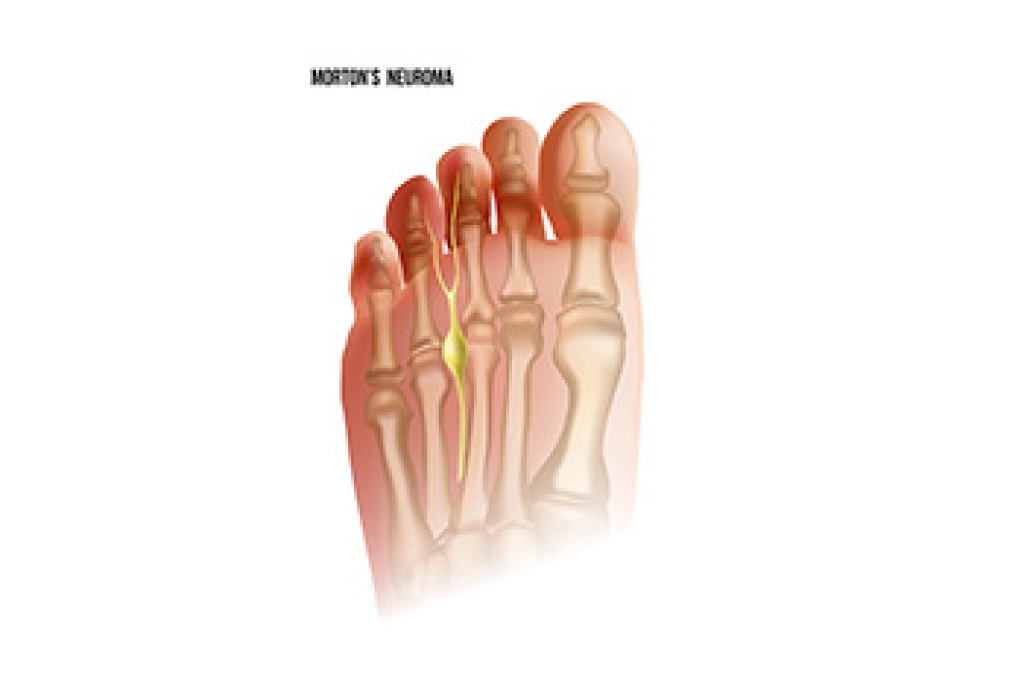
Cycling is an excellent form of exercise, but it can sometimes contribute to the development of Morton's neuroma, a painful condition affecting the nerves between the toes. Morton's neuroma occurs when the nerve between the toes becomes irritated or compressed, causing sharp, burning pain. The condition is often worsened by wearing tight cycling shoes that compress the toes or by improper footwear that does not provide enough room for the feet. Foot abnormalities, such as flat feet or high arches, can also increase the risk of developing this condition, as they alter the way pressure is distributed across the foot while cycling. Additionally, cycling can lead to repetitive impact and foot tilt during pedaling, which puts stress on the forefoot and nerves. If you have pain in this part of your foot, it is suggested that you consult a podiatrist who can determine the cause, and offer appropriate treatment solutions.

Morton’s neuroma is a very uncomfortable condition to live with. If you think you have Morton’s neuroma, contact Charles Oehrlein, DPM of Hoover Foot Care. Our practitioner will attend to all of your foot care needs and answer any of your related questions.  

Morton’s Neuroma

Morton's neuroma is a painful foot condition that commonly affects the areas between the second and third or third and fourth toe, although other areas of the foot are also susceptible. Morton’s neuroma is caused by an inflamed nerve in the foot that is being squeezed and aggravated by surrounding bones.

What Increases the Chances of Having Morton’s Neuroma?

  • Ill-fitting high heels or shoes that add pressure to the toe or foot
  • Jogging, running or any sport that involves constant impact to the foot
  • Flat feet, bunions, and any other foot deformities

Morton’s neuroma is a very treatable condition. Orthotics and shoe inserts can often be used to alleviate the pain on the forefront of the feet. In more severe cases, corticosteroids can also be prescribed. In order to figure out the best treatment for your neuroma, it’s recommended to seek the care of a podiatrist who can diagnose your condition and provide different treatment options.

If you have any questions, please feel free to contact our office located in Hoover, Oneonta, and Munford, AL . We offer the newest diagnostic and treatment technologies for all your foot care needs.

Read more about Morton's Neuroma

Heel Pain Can Be Treated!

Do you suffer from heel pain when you get up in the morning? If so, you should seek professional help and have a proper diagnosis performed. Heel pain can be caused by several different foot-related conditions.

Treatment Options for a Broken Ankle

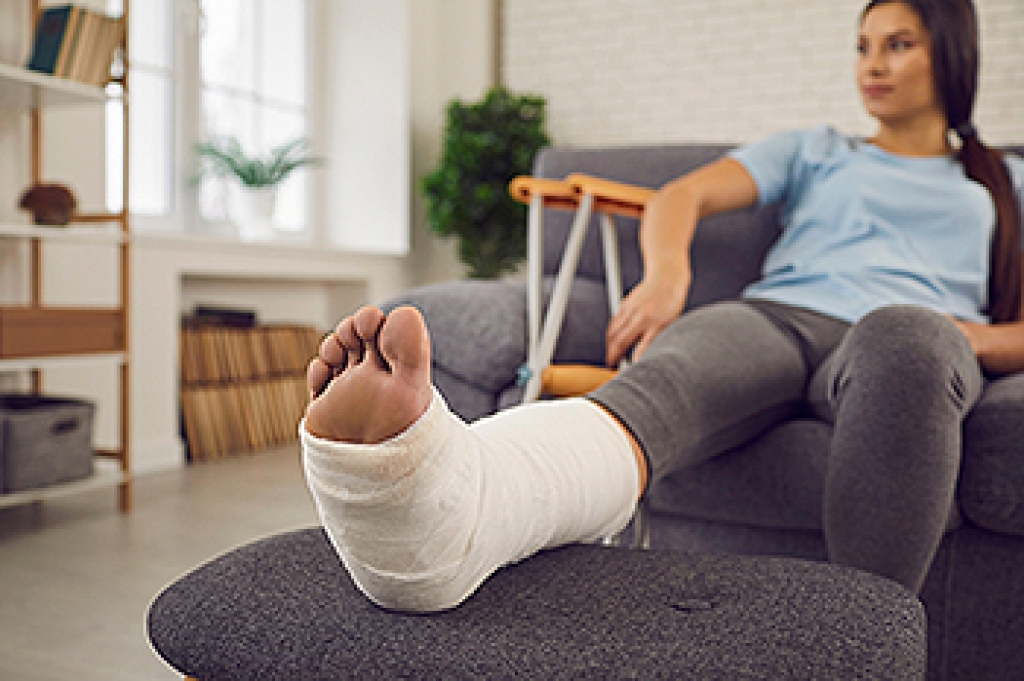
A broken ankle occurs when one or more bones in the ankle joint are fractured, usually due to trauma such as a fall, twist, or sports injury. Symptoms include severe pain, swelling, bruising, difficulty moving the foot, and an inability to bear weight on the injured leg. Common causes include rolling or twisting the ankle, car accidents, or high-impact sports. Ankle fractures can be classified as simple or complex, and treatment options depend on the type and severity of the break. In some cases, broken bones may protrude through the skin, indicating a more severe fracture. This may require a cast or surgery to realign the bones. For mild fractures, a brace or splint can provide support and immobilize the ankle. A podiatrist can diagnose the fracture, recommend the best treatment, and guide rehabilitation. If you suspect you have broken your ankle, it is suggested that you make an immediate appointment with a podiatrist.

Broken ankles need immediate treatment. If you are seeking treatment, contact Charles Oehrlein, DPM from Hoover Foot Care. Our practitioner can provide the care you need to keep you pain-free and on your feet. 

Broken Ankles
A broken ankle is experienced when a person fractures their tibia or fibula in the lower leg and ankle area. Both of these bones are attached at the bottom of the leg and combine to form what we know to be our ankle.

When a physician is referring to a break of the ankle, he or she is usually referring to a break in the area where the tibia and fibula are joined to create our ankle joint. Ankles are more prone to fractures because the ankle is an area that suffers a lot of pressure and stress. There are some obvious signs when a person experiences a fractured ankle, and the following symptoms may be present.

Symptoms of a Fractured Ankle

  • Excessive pain when the area is touched or when any pressure is placed on the ankle
  • Swelling around the area
  • Bruising of the area
  • Area appears to be deformed

If you suspect an ankle fracture, it is recommended to seek treatment as soon as possible. The sooner you have your podiatrist diagnose the fracture, the quicker you’ll be on the way towards recovery.

If you have any questions, please feel free to contact our office located in Hoover, Oneonta, and Munford, AL . We offer the newest diagnostic and treatment technologies for all your foot care needs.

Read more about All About Broken Ankle

Giving Your Feet a Workout

Keeping your feet, toes, and ankles strong and flexible can help alleviate pain and reduce the risk of injuries. Simple foot exercises, like standing heel raises or toe spreading, improve strength and stability, while stretches such as the Achilles tendon stretch enhance flexibility. Balance exercises, like standing on one foot, also play a role in building ankle stability. Ankle rotations or writing the alphabet with your big toe can increase joint mobility and coordination. These activities are particularly helpful for addressing issues in the feet, toes, and ankles caused by strain or stiffness. If you experience difficulty performing these exercises or are unsure of where to begin, a podiatrist can assess your specific needs and offer guidance on suitable exercises. This foot doctor can also identify other issues that may require further treatment to prevent ongoing discomfort or injury. If you regularly experience aches and pains in your feet, it is suggested that you schedule an appointment with a podiatrist for an exam and treatment.

Exercising your feet regularly with the proper foot wear is a great way to prevent injuries and build strength. If you have any concerns about your feet, contact Charles Oehrlein, DPM from Hoover Foot Care. Our practitioner can provide the care you need to keep you pain-free and on your feet.

Exercise for Your Feet

Exercise for your feet can help you gain strength, mobility and flexibility in your feet. They say that strengthening your feet can be just as rewarding as strengthening another part of the body. Your feet are very important, and we often forget about them in our daily tasks. But it is because of our feet that are we able to get going and do what we need to. For those of us fortunate enough to not have any foot problems, it is an important gesture to take care of them to ensure good health in the long run.

Some foot health exercises can include ankle pumps, tip-toeing, toe rises, lifting off the floor doing reps and sets, and flexing the toes. It is best to speak with Our practitioner to determine an appropriate regimen for your needs. Everyone’s needs and bodies are different, and the activities required to maintain strength in the feet vary from individual to individual. 

Once you get into a routine of doing regular exercise, you may notice a difference in your feet and how strong they may become.

If you have any questions, please feel free to contact our office located in Hoover, Oneonta, and Munford, AL . We offer the newest diagnostic and treatment technologies for all your foot care needs.

Read more about Exercise for Your Feet

Understanding Tarsal Tunnel Syndrome

Tarsal tunnel syndrome is a condition that occurs when the tibial nerve, which runs along the inside of the ankle, becomes compressed or irritated. This nerve passes through a narrow space called the tarsal tunnel, located near the ankle joint. The compression of this nerve can result from various causes, including injury, inflammation, or anatomical abnormalities. People with flat feet or those who overuse their feet in activities like running or jumping may be at a higher risk. Symptoms of tarsal tunnel syndrome include burning or tingling sensations, numbness, and pain along the inside of the ankle and into the foot. These symptoms may worsen with activity or prolonged standing. Early diagnosis and treatment are important to relieve symptoms and prevent long-term nerve damage. If you have pain on the inner side of your ankle, it is suggested that you consult a podiatrist.

Tarsal tunnel syndrome can be very uncomfortable to live with. If you are experiencing tarsal tunnel syndrome, contact Charles Oehrlein, DPM of Hoover Foot Care. Our practitioner can provide the care you need to keep you pain-free and on your feet.

Tarsal Tunnel Syndrome

Tarsal tunnel syndrome, which can also be called tibial nerve dysfunction, is an uncommon condition of misfiring peripheral nerves in the foot. The tibial nerve is the peripheral nerve in the leg responsible for sensation and movement of the foot and calf muscles. In tarsal tunnel syndrome, the tibial nerve is damaged, causing problems with movement and feeling in the foot of the affected leg.

Common Cause of Tarsal Tunnel Syndrome

  • Involves pressure or an injury, direct pressure on the tibial nerve for an extended period of time, sometimes caused by other body structures close by or near the knee.
  • Diseases that damage nerves, including diabetes, may cause tarsal tunnel syndrome.
  • At times, tarsal tunnel syndrome can appear without an obvious cause in some cases.

The Effects of Tarsal Tunnel Syndrome

  • Different sensations, an afflicted person may experience pain, tingling, burning or other unusual sensations in the foot of the affected leg.
  • The foot muscles, toes and ankle become weaker, and curling your toes or flexing your foot can become difficult.
  • If condition worsens, infections and ulcers may develop on the foot that is experiencing the syndrome.

A physical exam of the leg can help identify the presence of tarsal tunnel syndrome. Medical tests, such as a nerve biopsy, are also used to diagnose the condition. Patients may receive physical therapy and prescriptive medication. In extreme cases, some may require surgery.

If you have any questions please contact our office located in Hoover, Oneonta, and Munford, AL . We offer the newest diagnostic and treatment technologies for all your foot and ankle needs.
Read more about Treating Tarsal Tunnel Syndrome

The Impact of Falling on the Feet and How to Prevent Injuries

Falling can significantly affect the feet, leading to injuries such as sprains, fractures, or bruises. When a person falls, the feet often bear the brunt of the impact, which can cause immediate pain and long-term complications. Several risk factors contribute to falls, including poor balance, weak muscles, slippery surfaces, and wearing improper footwear. People with certain health conditions, like diabetes or poor vision, may also face a higher risk of falling. To prevent falls and foot injuries, it is important to maintain good balance through exercises that strengthen the lower body. Wearing well-fitted, supportive shoes with non-slip soles can reduce the likelihood of slipping. Keeping living areas free of obstacles and ensuring proper lighting can also help minimize fall risks. If you have endured foot injuries from falling, it is suggested that you contact a podiatrist who can educate you about effective fall prevention techniques.

Preventing falls among the elderly is very important. If you are older and have fallen or fear that you are prone to falling, consult with Charles Oehrlein, DPM from Hoover Foot Care. Our practitioner will assess your condition and provide you with quality advice and care.

Every 11 seconds, an elderly American is being treated in an emergency room for a fall related injury. Falls are the leading cause of head and hip injuries for those 65 and older. Due to decreases in strength, balance, senses, and lack of awareness, elderly persons are very susceptible to falling. Thankfully, there are a number of things older persons can do to prevent falls.

How to Prevent Falls

Some effective methods that older persons can do to prevent falls include:

  • Enrolling in strength and balance exercise program to increase balance and strength
  • Periodically having your sight and hearing checked
  • Discuss any medications you have with a doctor to see if it increases the risk of falling
  • Clearing the house of falling hazards and installing devices like grab bars and railings
  • Utilizing a walker or cane
  • Wearing shoes that provide good support and cushioning
  • Talking to family members about falling and increasing awareness

Falling can be a traumatic and embarrassing experience for elderly persons; this can make them less willing to leave the house, and less willing to talk to someone about their fears of falling. Doing such things, however, will increase the likelihood of tripping or losing one’s balance. Knowing the causes of falling and how to prevent them is the best way to mitigate the risk of serious injury.  

If you have any questions, please feel free to contact our office located in Hoover, Oneonta, and Munford, AL . We offer the newest diagnostic and treatment technologies for all your foot care needs.

Read more about Falls Prevention

Connect With Us

scroll to top