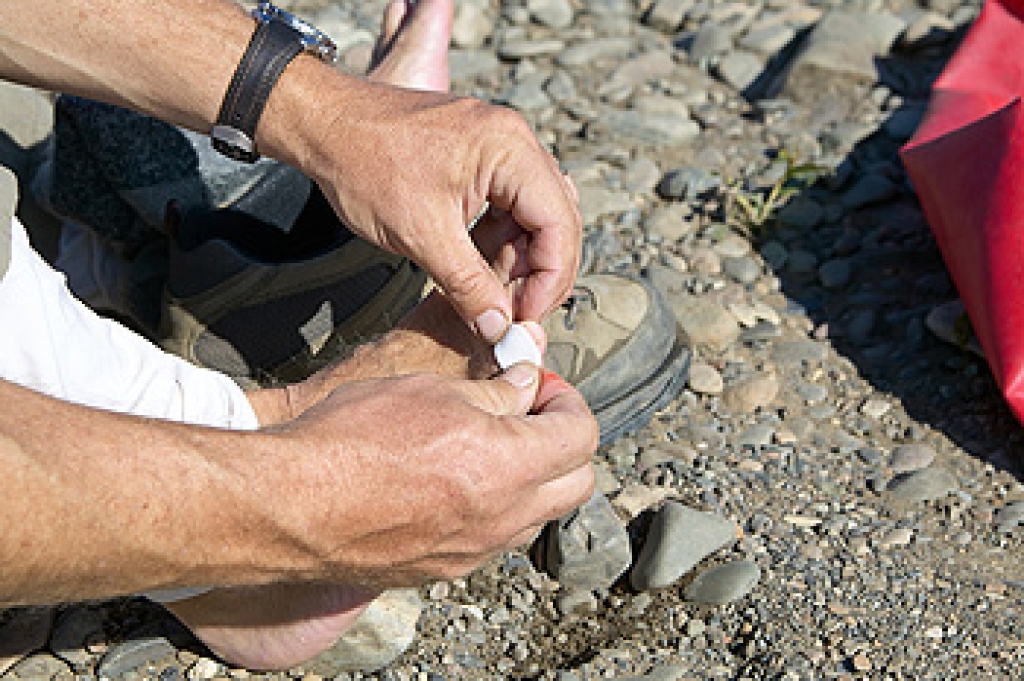
Preventing Foot Blisters While Hiking

A foot blister is a small pocket of fluid that forms under the skin due to friction, pressure, or irritation. When hiking, blisters are common due to prolonged walking and uneven terrain. To prevent blisters, it is important to wear well-fitted hiking boots and moisture-wicking socks, which reduce friction and keep feet dry. Applying blister prevention products, such as specialized tapes or lubricants, can create a protective barrier on areas prone to blisters. Taking regular breaks to air out and check your feet allows you to address any hot spots early on. Keeping your feet dry and free from debris or changing socks as needed can also help. These proactive measures can significantly reduce the risk of developing painful blisters during hikes. If you have developed a blister on your foot that is bothersome or has become infected, it is suggested that you visit a podiatrist who can guide you toward relief and prevention options.

Blisters are prone to making everyday activities extremely uncomfortable. If your feet are hurting, contact Charles Oehrlein, DPM of Hoover Foot Care. Our practitioner can provide the care you need to keep you pain-free and on your feet.

Foot Blisters

Foot blisters develop as a result of constantly wearing tight or ill-fitting footwear. This happens due to the constant rubbing from the shoe, which can often lead to pain.

What Are Foot Blisters?

A foot blister is a small fluid-filled pocket that forms on the upper-most layer of the skin. Blisters are filled with clear fluid and can lead to blood drainage or pus if the area becomes infected.

How Do Blisters Form?

Blisters on the feet are often the result of constant friction of skin and material, usually by shoe rubbing. Walking in sandals, boots, or shoes that don’t fit properly for long periods of time can result in a blister. Having consistent foot moisture and humidity can easily lead to blister formation.

Prevention & Treatment

It is important to properly care for the affected area in order to prevent infection and ease the pain. Do not lance the blister and use a Band-Aid to provide pain relief. Also, be sure to keep your feet dry and wear proper fitting shoes. If you see blood or pus in a blister, seek assistance from a podiatrist.

If you have any questions, please feel free to contact our office located in Hoover, Oneonta, and Munford, AL . We offer the newest diagnostic and treatment technologies for all your foot care needs.

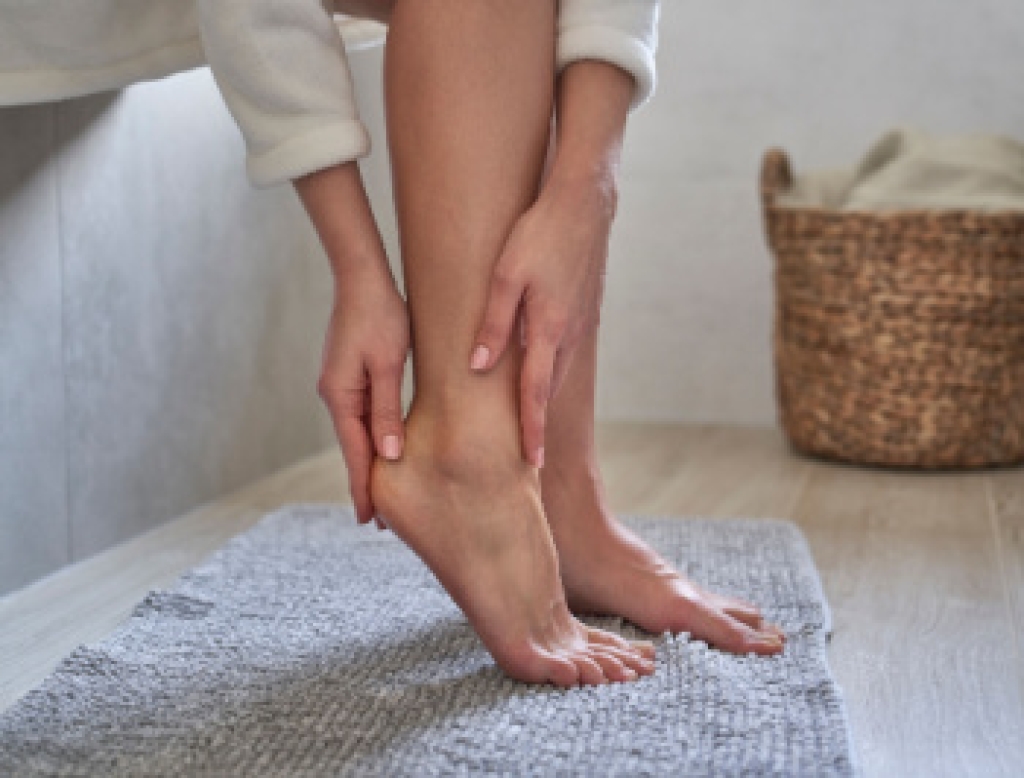
Read more about Blisters on the Feet

Understanding Pain in the Top of the Foot

Pain in the top of the foot can be a troubling and uncomfortable experience that affects mobility and impedes daily activities. This type of pain can result injuries, overuse, inflammatory conditions, or structural abnormalities. One common cause is extensor tendonitis, which occurs when the tendons on the top of the foot become inflamed due to repetitive movements or excessive strain. Additionally, stress fractures in the metatarsal bones, often caused by overtraining or sudden increases in activity level, can lead to sharp, localized pain in the top of the foot. Other causes include conditions like arthritis, nerve compression, or wearing tight footwear that puts pressure on the top of the foot. Identifying the underlying cause of pain in the top of the foot is essential for determining appropriate treatment methods, which may include rest, supportive footwear, or medical intervention. If you have pain in this part of your foot, it is suggested that you visit a podiatrist who can identify the cause and offer effective treatment methods.

Foot Pain

Foot pain can be extremely painful and debilitating. If you have a foot pain, consult with Charles Oehrlein, DPM from Hoover Foot Care. Our practitioner will assess your condition and provide you with quality foot and ankle treatment.

Causes

Foot pain is a very broad condition that could be caused by one or more ailments. The most common include:

  • Bunions
  • Hammertoes
  • Plantar Fasciitis
  • Bone Spurs
  • Corns
  • Tarsal Tunnel Syndrome
  • Ingrown Toenails
  • Arthritis (such as Gout, Rheumatoid, and Osteoarthritis)
  • Flat Feet
  • Injury (from stress fractures, broken toe, foot, ankle, Achilles tendon ruptures, and sprains)
  • And more

Diagnosis

To figure out the cause of foot pain, podiatrists utilize several different methods. This can range from simple visual inspections and sensation tests to X-rays and MRI scans. Prior medical history, family medical history, and any recent physical traumatic events will all be taken into consideration for a proper diagnosis.

Treatment

Treatment depends upon the cause of the foot pain. Whether it is resting, staying off the foot, or having surgery; podiatrists have a number of treatment options available for foot pain.

If you have any questions, please feel free to contact our office located in Hoover, Oneonta, and Munford, AL . We offer the newest diagnostic and treatment technologies for all your foot care needs.

Read more about Foot Pain

Proper Foot Care at Any Age

Taking care of your feet is essential for preserving your ability to walk and stay active. The feet, complex structures with 26 bones, numerous muscles, ligaments, and tendons, support your entire body. Neglecting foot health can lead to common problems like blisters, calluses, bunions, and more serious conditions such as plantar fasciitis or arthritis. Good foot health is vital for maintaining mobility and proper posture. Healthy feet allow for an active lifestyle, which is vital for overall well-being. At different ages, foot care needs vary. For children, it is about ensuring proper growth and development. For adults, it is about maintaining strength and flexibility. For seniors, preventing falls and managing chronic conditions becomes essential. Daily foot care should include washing and drying feet thoroughly, moisturizing to prevent dryness, trimming nails properly, and wearing appropriate footwear. Regular self-checks can catch issues early. If you would like to learn more about everyday foot care, it is suggested that you schedule an appointment with a podiatrist who can address specific problems and educate you on comprehensive foot care.

Everyday foot care is very important to prevent infection and other foot ailments. If you need your feet checked, contact Charles Oehrlein, DPM from Hoover Foot Care. Our practitioner can provide the care you need to keep you pain-free and on your feet.

Everyday Foot Care

Often, people take care of their bodies, face and hair more so than they do for their feet. But the feet are a very important aspect of our bodies, and one that we should pay more attention to. Without our feet, we would not be able to perform most daily tasks.

It is best to check your feet regularly to make sure there are no new bruises or cuts that you may not have noticed before. For dry feet, moisturizer can easily be a remedy and can be applied as often as necessary to the affected areas. Wearing shoes that fit well can also help you maintain good foot health, as well as making it easier to walk and do daily activities without the stress or pain of ill-fitting shoes, high heels, or even flip flops. Wearing clean socks with closed shoes is important to ensure that sweat and bacteria do not accumulate within the shoe. Clean socks help to prevent Athlete’s foot, fungi problems, bad odors, and can absorb sweat.

If you have any questions, please feel free to contact our office located in Hoover, Oneonta, and Munford, AL . We offer the newest diagnostic and treatment technologies for all your foot care needs.
Read more about Everyday Foot Care

Understanding Pediatric Foot Alignment Deformities

Pediatric foot alignment deformities encompass a range of conditions affecting the structure and function of children's feet. These deformities can manifest in various forms, including flat feet, toe walking, in-toeing, and out-toeing. While some children may outgrow these issues naturally as they develop, others may require intervention to prevent potential complications. Diagnosis typically involves a thorough physical examination by a podiatrist, assessing gait patterns, foot alignment, and range of motion. In some cases, imaging studies such as X-rays may be utilized to further evaluate the condition. Treatment approaches vary depending on the specific deformity and its severity, ranging from observation and monitoring to orthotic devices, or surgical intervention in more severe cases. Early detection and intervention are essential in addressing pediatric foot alignment deformities, ensuring proper development and function of the feet as children grow and mature. If your child has been born with any type of foot deformity, it is suggested that you have a podiatrist on your healthcare team who can monitor and treat the specific condition.

The health of a child’s feet is vital to their overall well-being. If you have any questions regarding foot health, contact Charles Oehrlein, DPM of Hoover Foot Care. Our practitioner can provide the care you need to keep you pain-free and on your feet.

Tips for Keeping Children's Feet Healthy

  • Make sure their shoes fit properly
  • Look for any signs of in-toeing or out-toeing
  • Check to see if they have Clubfoot (condition that affects your child’s foot and ankle, twisting the heel and toes inward) which is one of the most common nonmajor birth defects.
  • Lightly cover your baby’s feet (Tight covers may keep your baby from moving their feet freely, and could prevent normal development)
  • Allow your toddler to go shoeless (Shoes can be restricting for a young child’s foot)
  • Cut toenails straight across to avoid ingrown toenails
  • Keep your child’s foot clean and dry
  • Cover cuts and scrapes. Wash any scratches with soap and water and cover them with a bandage until they’ve healed.

If you have any questions, please feel free to contact our office located in Hoover, Oneonta, and Munford, AL . We offer the newest diagnostic and treatment technologies for all your foot care needs.

Read more about How to Care for Your Child's Feet

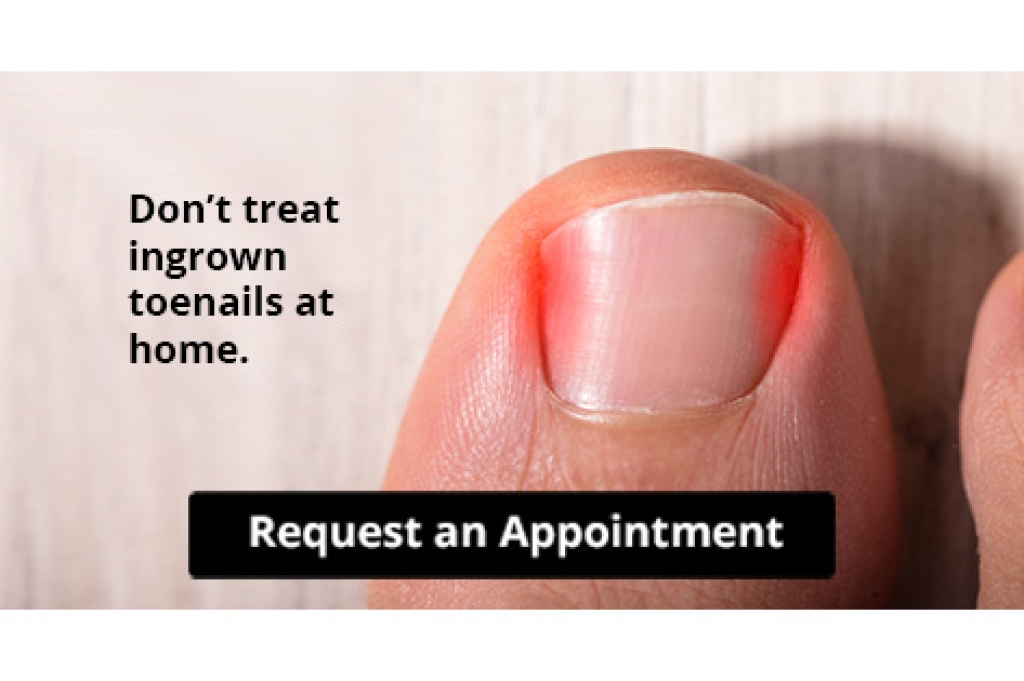
Let the Expert Treat Your Ingrown Toenails

Ingrown toenails can be painful and can make wearing shoes or walking uncomfortable. Seek professional help if you believe you've developed an ingrown toenail and be treated safely. 

Connect With Us

scroll to top