How Aging Can Affect the Feet

As people age, the feet undergo changes that can lead to discomfort and mobility challenges. Years of wear and tear, in addition to conditions such as arthritis or diabetes, can cause pain, swelling, and stiffness. The natural thinning of the fat pads that cushion the feet may increase foot pain when walking and standing. Furthermore, reduced bone density, particularly seen in post-menopausal women, can increase the risk of stress fractures. Joint inflammation and nerve damage, often associated with aging, can also affect balance and increase the likelihood of falls. Poor circulation, common in older adults, can delay healing and make the feet more susceptible to injuries or infections. A podiatrist can assess the type of foot pain you have and recommend custom orthotics, certain medication to relieve pain, or ways to enhance mobility. If you are a senior suffering from foot pain, it is suggested that you schedule an appointment with a podiatrist for a diagnosis and treatment options.

Proper foot care is something many older adults forget to consider. If you have any concerns about your feet and ankles, contact Charles Oehrlein, DPM from Hoover Foot Care. Our practitioner can provide the care you need to keep you pain-free and on your feet.

The Elderly and Their Feet

As we age we start to notice many changes in our body, but the elder population may not notice them right away. Medical conditions may prevent the elderly to take notice of their foot health right away. Poor vision is a lead contributor to not taking action for the elderly.

Common Conditions 

  • Neuropathy – can reduce feeling in the feet and can hide many life-threatening medical conditions.
  • Reduced flexibility – prevents the ability of proper toenail trimming, and foot cleaning. If left untreated, it may lead to further medical issues.
  • Foot sores – amongst the older population can be serious before they are discovered. Some of the problematic conditions they may face are:
  • Gouging toenails affecting nearby toe
  • Shoes that don’t fit properly
  • Pressure sores
  • Loss of circulation in legs & feet
  • Edema & swelling of feet and ankles

Susceptible Infections

Diabetes and poor circulation can cause general loss of sensitivity over the years, turning a simple cut into a serious issue.

If you have any questions, please feel free to contact our office located in Hoover, Oneonta, and Munford, AL . We offer the newest diagnostic and treatment technologies for all your foot care needs.
Read more about Elderly Foot Care

Managing Ingrown Toenails

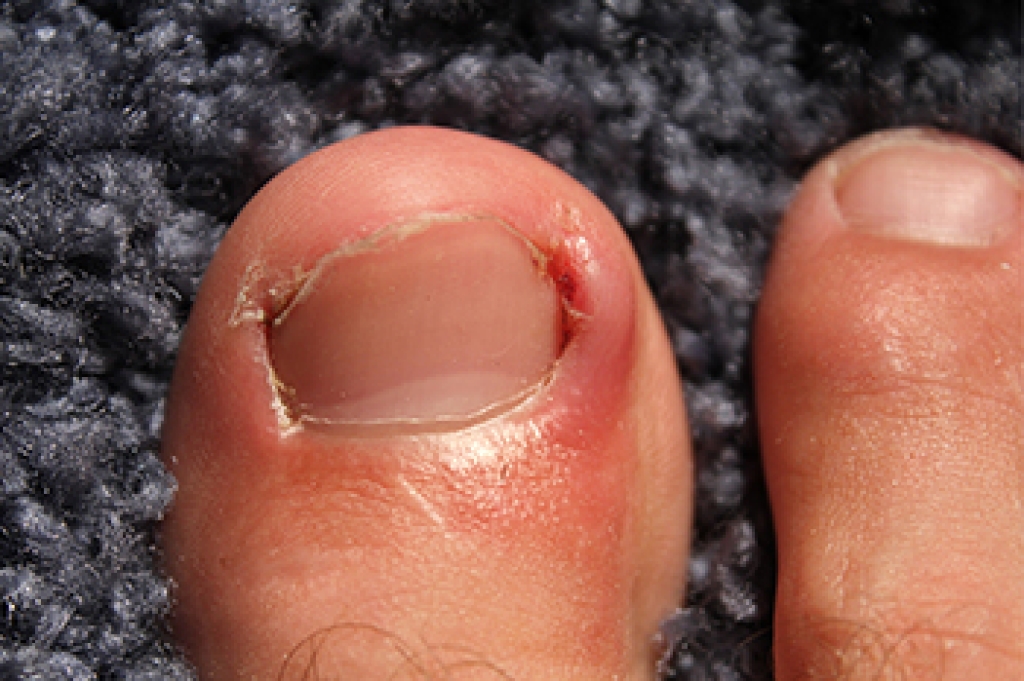
An ingrown toenail occurs when the edge of the nail grows into the surrounding skin, causing pain, swelling, and sometimes infection. This condition often affects the big toe and can lead to discomfort, or even difficulty walking. Common symptoms include redness, tenderness, and drainage if the area becomes infected. Older adults are more likely to develop ingrown toenails due to changes in nail growth, reduced circulation, or difficulty trimming nails properly. Additionally, conditions like arthritis or poor mobility can make it harder to manage foot care. Treatment for ingrown toenails often involves soaking the foot, wearing loose shoes, and gently lifting the nail to relieve pressure. In more severe cases, a podiatrist may need to trim or remove part of the nail and, if needed, prescribe antibiotics for infection. If you have an ingrown toenail, especially as you age, it is suggested that you schedule an appointment with a podiatrist for proper care and relief.

Ingrown toenails can become painful if they are not treated properly. For more information about ingrown toenails, contact Charles Oehrlein, DPM of Hoover Foot Care. Our practitioner can provide the care you need to keep you pain-free and on your feet.

Ingrown Toenails

Ingrown toenails occur when a toenail grows sideways into the bed of the nail, causing pain, swelling, and possibly infection.

Causes

  • Bacterial infections
  • Improper nail cutting such as cutting it too short or not straight across
  • Trauma to the toe, such as stubbing, which causes the nail to grow back irregularly
  • Ill-fitting shoes that bunch the toes too close together
  • Genetic predisposition

Prevention

Because ingrown toenails are not something found outside of shoe-wearing cultures, going barefoot as often as possible will decrease the likeliness of developing ingrown toenails. Wearing proper fitting shoes and using proper cutting techniques will also help decrease your risk of developing ingrown toenails.

Treatment

Ingrown toenails are a very treatable foot condition. In minor cases, soaking the affected area in salt or antibacterial soaps will not only help with the ingrown nail itself, but also help prevent any infections from occurring. In more severe cases, surgery is an option. In either case, speaking to your podiatrist about this condition will help you get a better understanding of specific treatment options that are right for you.

If you have any questions, please feel free to contact our office located in Hoover, Oneonta, and Munford, AL . We offer the newest diagnostic and treatment technologies for all your foot care needs.
Read more about Ingrown Toenails

Management of Diabetic Foot Ulcers

Managing diabetic foot ulcers is essential to prevent complications like infections or, in severe cases, amputations. Diabetic foot ulcers occur due to poor circulation and nerve damage caused by uncontrolled blood sugar levels. Treatment begins with a thorough assessment of the ulcer, including identifying infection risks and evaluating circulation. One common treatment is debridement, where dead or damaged tissue is removed to promote healing. Other treatments include specialized dressings, antibiotic therapy for infections, and offloading, which means reducing pressure on the affected area through special footwear or devices. In some cases, advanced therapies such as skin grafts or hyperbaric oxygen therapy may be used to improve healing. If you are a diabetic and have a foot ulcer, it is strongly suggested that you visit a podiatrist who can assess the wound and your overall health to determine the best treatment approach for you.

Diabetic foot care is important in preventing foot ailments such as ulcers. If you are suffering from diabetes or have any other concerns about your feet, contact Charles Oehrlein, DPM from Hoover Foot Care. Our practitioner can provide the care you need to keep you pain-free and on your feet.

Diabetic Foot Care

Diabetes affects millions of people every year. The condition can damage blood vessels in many parts of the body, especially the feet. Because of this, taking care of your feet is essential if you have diabetes, and having a podiatrist help monitor your foot health is highly recommended.

The Importance of Caring for Your Feet

  • Routinely inspect your feet for bruises or sores.
  • Wear socks that fit your feet comfortably.
  • Wear comfortable shoes that provide adequate support.

Patients with diabetes should have their doctor monitor their blood levels, as blood sugar levels play such a huge role in diabetic care. Monitoring these levels on a regular basis is highly advised.

It is always best to inform your healthcare professional of any concerns you may have regarding your feet, especially for diabetic patients. Early treatment and routine foot examinations are keys to maintaining proper health, especially because severe complications can arise if proper treatment is not applied.

If you have any questions, please feel free to contact our office located in Hoover, Oneonta, and Munford, AL . We offer the newest diagnostic and treatment technologies for all your foot care needs.
Read more about Diabetic Foot Care

Wearing the Right Shoe Size for Foot Health

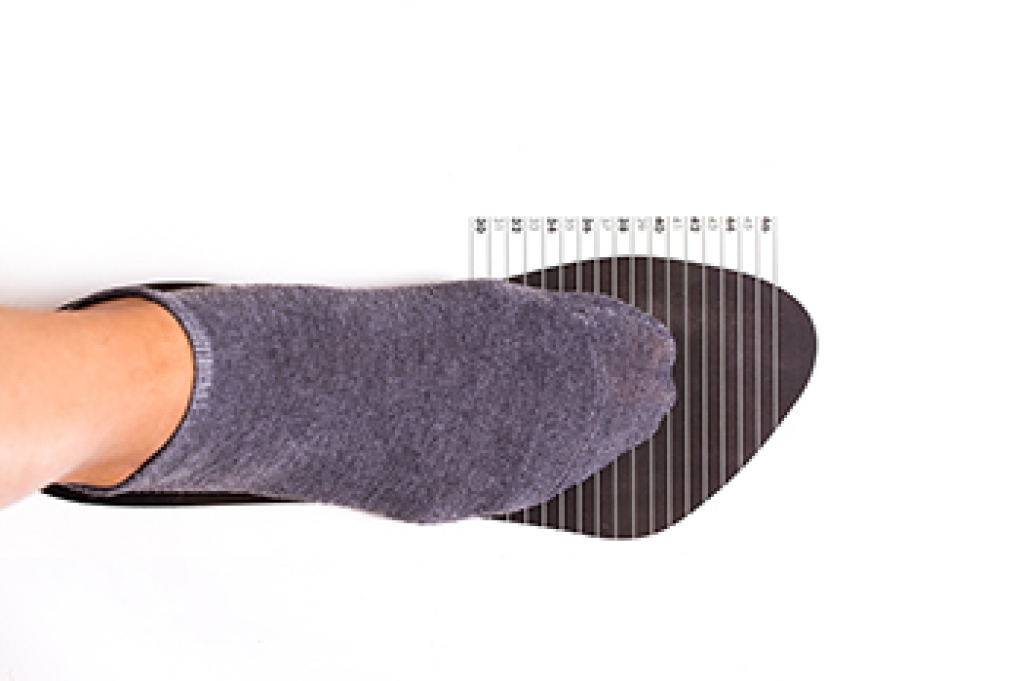
Wearing the correct shoe size is essential for maintaining overall foot health and comfort. Ill-fitting shoes can lead to a range of problems, including blisters, calluses, and painful conditions like bunions and plantar fasciitis. When shoes are too tight, they can restrict blood flow and cause nerve compression, leading to discomfort and long-term damage. Conversely, shoes that are too loose can result in instability and increase the risk of falls and injuries. Properly fitted shoes support the natural shape of the foot, providing adequate cushioning and arch support, which helps distribute weight evenly. Investing in the right shoe size can enhance mobility, reduce fatigue, and prevent chronic foot issues. Regularly measuring your feet and trying on shoes before purchase can ensure a perfect fit, ultimately promoting better foot health and overall well-being. If you have developed foot pain from the shoes you wear, it is suggested that you consult a podiatrist who can treat various foot conditions, and guide you on how to choose shoes that fit correctly.

Finding a properly-fitting shoe is important in reducing injuries and preventing foot problems. For more information about treatment, contact Charles Oehrlein, DPM from Hoover Foot Care. Our practitioner will treat your foot and ankle needs.

Proper Shoe Fitting

A common concern when it comes to foot health, having properly fitted shoes can help prevent injuries to the foot. Out feet affect our posture and gait, which in turn affects the biomechanics and overall bodily structure. With 33 joints, 26 bones, and over 100 ligaments, the potential for serious injury is much greater than one realizes. Although the feet cease growth in adulthood, they still change shape as they mature. Here are some factors to consider when it comes to investing in proper fitting shoes:

  • Be sure the shoes fit correctly right away
  • Ensure the ball of your foot fits comfortably in the widest portion of the shoes
  • Even though they may look fashionable, improper fitting shoes can either create adverse conditions or exacerbate existing ones you may already have
  • Walk along a carpeted surface to ensure the shoes comfortably fit during normal activity

Keeping in mind how shoes fit the biomechanics of your body, properly-fitting shoes are vitally important. Fortunately, it is not difficult to acquire footwear that fits correctly. Be sure to wear shoes that support the overall structure of your body. Do your feet a favor and invest in several pairs of well-fitted shoes today.

If you have any questions, please feel free to contact our office located in Hoover, Oneonta, and Munford, AL . We offer the newest diagnostic and treatment technologies for all your foot care needs.

Read more about Proper Shoe Fitting

Do You Suffer From Painful Feet?

Painful deformities, such as hammertoes, can be treated. Stop living with foot pain, and have beautiful feet again!

Connect With Us

scroll to top