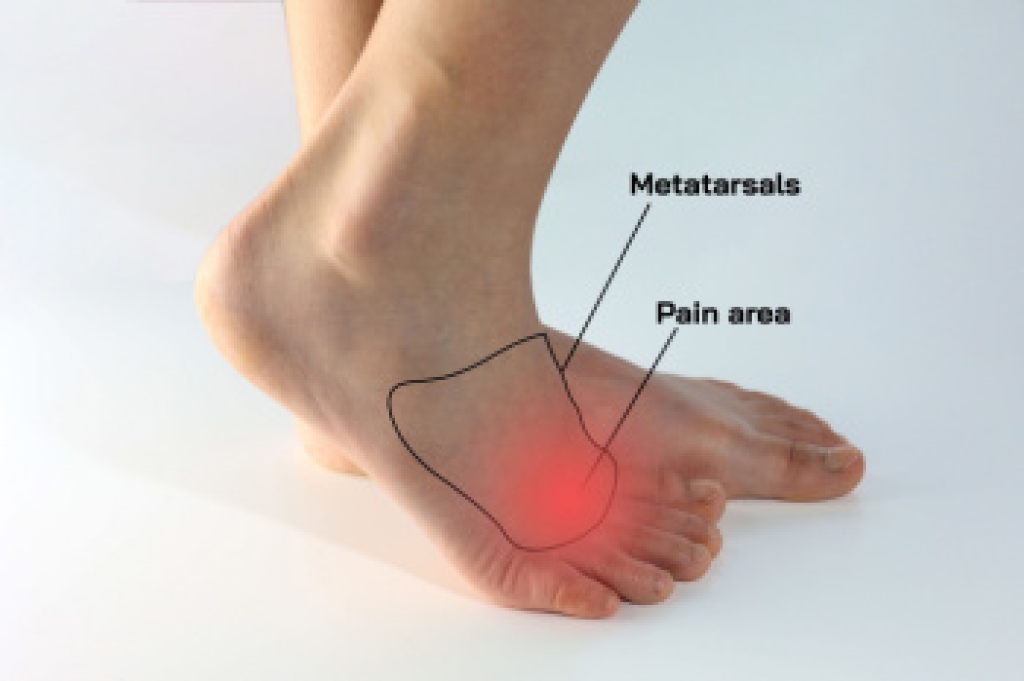
Symptoms of Morton’s Neuroma

Plantar digital neuroma, also known as Morton's neuroma, is characterized by the thickening of the tissue surrounding the nerves that run between the toes, most often affecting the area between the third and fourth toes. This thickening can cause compression and irritation of the nerve, leading to pain and discomfort. Individuals with plantar digital neuroma typically experience sharp or burning pain in the ball of the foot, tingling or numbness in the toes, and the sensation of standing on a pebble or fold in a sock. Pain may worsen with walking, wearing tight or narrow shoes, or squeezing the forefoot. The discomfort associated with Morton’s neuroma can be disruptive to daily activities and may worsen over time if left untreated. Recognizing the symptoms of plantar digital neuroma is essential for seeking proper diagnosis and treatment to alleviate pain and restore foot health. If you have pain or discomfort between your third and fourth toes, it is suggested that you consult a podiatrist who can confirm Morton's neuroma, and offer correct treatment solutions.

Morton’s neuroma is a very uncomfortable condition to live with. If you think you have Morton’s neuroma, contact Charles Oehrlein, DPM of Hoover Foot Care. Our practitioner will attend to all of your foot care needs and answer any of your related questions.  

Morton’s Neuroma

Morton's neuroma is a painful foot condition that commonly affects the areas between the second and third or third and fourth toe, although other areas of the foot are also susceptible. Morton’s neuroma is caused by an inflamed nerve in the foot that is being squeezed and aggravated by surrounding bones.

What Increases the Chances of Having Morton’s Neuroma?

  • Ill-fitting high heels or shoes that add pressure to the toe or foot
  • Jogging, running or any sport that involves constant impact to the foot
  • Flat feet, bunions, and any other foot deformities

Morton’s neuroma is a very treatable condition. Orthotics and shoe inserts can often be used to alleviate the pain on the forefront of the feet. In more severe cases, corticosteroids can also be prescribed. In order to figure out the best treatment for your neuroma, it’s recommended to seek the care of a podiatrist who can diagnose your condition and provide different treatment options.

If you have any questions, please feel free to contact our office located in Hoover, Oneonta, and Munford, AL . We offer the newest diagnostic and treatment technologies for all your foot care needs.
Read more about Morton's Neuroma

Types of Foot Corns

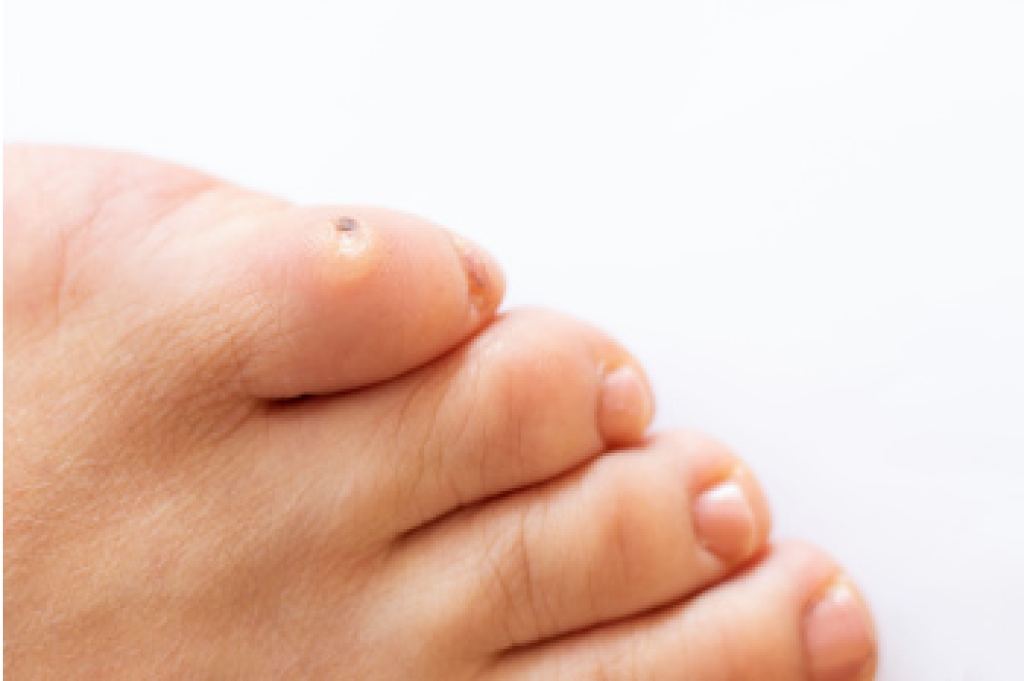
Corns on the feet are thick, hardened skin bumps that typically form on bony areas, such as on the top or sides of the toes, due to friction and pressure. The three types of corns are hard corns on toe tops, soft corns between toes, and seed corns on the soles of the feet. Foot corns develop due to wearing ill-fitted shoes, either too tight or too loose, causing rubbing and pressure. Improperly fitting socks or not wearing any socks can also lead to friction. Individuals with conditions like arthritis, bunions, or hammertoes are at higher risk. Preventing foot corns involves wearing well-fitting, comfortable shoes, avoiding high heels or pointy-toed shoes, and using corn pads for added protection. Moisture-wicking socks may help to reduce friction. If you have foot corns that are causing you discomfort or showing signs of infection, it is suggested that you consult a podiatrist for an examination and proper treatment or removal.

If you have any concerns regarding your feet and ankles, contact Charles Oehrlein, DPM of Hoover Foot Care. Our practitioner will treat your foot and ankle needs.

Corns: What Are They? and How Do You Get Rid of Them?
Corns can be described as areas of the skin that have thickened to the point of becoming painful or irritating. They are often layers and layers of the skin that have become dry and rough, and are normally smaller than calluses.

Ways to Prevent Corns
There are many ways to get rid of painful corns such as wearing:

  • Well-fitting socks
  • Comfortable shoes that are not tight around your foot
  • Shoes that offer support

Treating Corns
Treatment of corns involves removing the dead skin that has built up in the specific area of the foot. Consult with Our practitioner to determine the best treatment option for your case of corns.

If you have any questions, please feel free to contact our office located in Hoover, Oneonta, and Munford, AL . We offer the newest diagnostic and treatment technologies for all your foot care needs.
Read more about Corns: What Are They, and How Do You Get Rid of Them

We Can Treat Your Foot or Ankle Pain

Foot or ankle pain can negatively affect your day-to-day life and can occur due to several different conditions. Pain can also be an indicator of a more serious underlying condition, which is why you should seek professional help as soon as you notice any abnormalities in your feet.

Types of Toenail Fungus

Toenail fungus, medically termed onychomycosis or tinea unguium, is a common fungal infection that affects approximately 14 percent of people, as reported by the Centers for Disease Control and Prevention. While typically not a serious health concern, toenail fungus can cause cosmetic issues as well as discomfort. There are various types of toenail fungus, each with distinct characteristics in symptoms and appearance. The most prevalent form is subungual onychomycosis, characterized by nail lifting, discoloration, and crumbling of the toenail. White superficial onychomycosis causes white, flaky patches on the nail surface, potentially progressing to rough and crumbly nails. Candida onychomycosis, caused by yeast, is more common in individuals with conditions like diabetes or compromised immune systems. This type of toenail fungus shows symptoms such as rough nails, surface breakdown, and soft tissue infection. An accurate diagnosis by a podiatrist is essential to determine the type of toenail fungus you may have incurred. With proper care and timely intervention, toenail fungus can be effectively managed. If you suspect you have a toenail fungus, it is suggested that you schedule an appointment with a podiatrist for an exam and treatment options appropriate to the cause.

If left untreated, toenail fungus may spread to other toenails, skin, or even fingernails. If you suspect you have toenail fungus it is important to seek treatment right away. For more information about treatment, contact Charles Oehrlein, DPM of Hoover Foot Care. Our practitioner can provide the care you need to keep you pain-free and on your feet.

Symptoms

  • Warped or oddly shaped nails
  • Yellowish nails
  • Loose/separated nail
  • Buildup of bits and pieces of nail fragments under the nail
  • Brittle, broken, thickened nail

Treatment

If self-care strategies and over-the-counter medications does not help your fungus, your podiatrist may give you a prescription drug instead. Even if you find relief from your toenail fungus symptoms, you may experience a repeat infection in the future.

Prevention

In order to prevent getting toenail fungus in the future, you should always make sure to wash your feet with soap and water. After washing, it is important to dry your feet thoroughly especially in between the toes. When trimming your toenails, be sure to trim straight across instead of in a rounded shape. It is crucial not to cover up discolored nails with nail polish because that will prevent your nail from being able to “breathe”.

In some cases, surgical procedure may be needed to remove the toenail fungus. Consult with your podiatrist about the best treatment options for your case of toenail fungus.  

If you have any questions please contact our office located in Hoover, Oneonta, and Munford, AL . We offer the newest diagnostic and treatment technologies for all your foot and ankle needs.

Read more about Treating Toenail Fungus

Causes of Bone Spurs on the Heel

Heel bone spurs, medically known as osteophytes, are abnormal growths that can result in pain and restricted movement. Often unnoticed until visible on an X-ray, heel bone spurs are associated with degenerative joint diseases, such as osteoarthritis, where the breakdown of joint cartilage prompts the body to form new bone as a reparative measure. This process leads to the development of bone spurs along the edges of affected joints, particularly in the heel region. Besides aging, various factors contribute to heel bone spurs, including injuries and overuse, common among runners and dancers. Other factors are hereditary predisposition, obesity, and congenital bone issues. Many people may have heel bone spurs without symptoms, but others can experience pain and loss of joint mobility if the spur rubs against bones or presses on a nerve. If you suspect you have a heel bone spur or are experiencing unexplained heel pain, it is suggested that you schedule an appointment with a podiatrist for a comprehensive evaluation and the appropriate treatment plan.

Heel spurs can be incredibly painful and sometimes may make you unable to participate in physical activities. To get medical care for your heel spurs, contact Charles Oehrlein, DPM from Hoover Foot Care. Our practitioner will do everything possible to treat your condition.

Heels Spurs

Heel spurs are formed by calcium deposits on the back of the foot where the heel is. This can also be caused by small fragments of bone breaking off one section of the foot, attaching onto the back of the foot. Heel spurs can also be bone growth on the back of the foot and may grow in the direction of the arch of the foot.

Older individuals usually suffer from heel spurs and pain sometimes intensifies with age. One of the main condition's spurs are related to is plantar fasciitis.

Pain

The pain associated with spurs is often because of weight placed on the feet. When someone is walking, their entire weight is concentrated on the feet. Bone spurs then have the tendency to affect other bones and tissues around the foot. As the pain continues, the feet will become tender and sensitive over time.

Treatments

There are many ways to treat heel spurs. If one is suffering from heel spurs in conjunction with pain, there are several methods for healing. Medication, surgery, and herbal care are some options.

If you have any questions, please feel free to contact our office located in Hoover, Oneonta, and Munford, AL . We offer the newest diagnostic and treatment technologies for all your foot care needs.

Read more about How to Treat Heel Spurs

Connect With Us

scroll to top