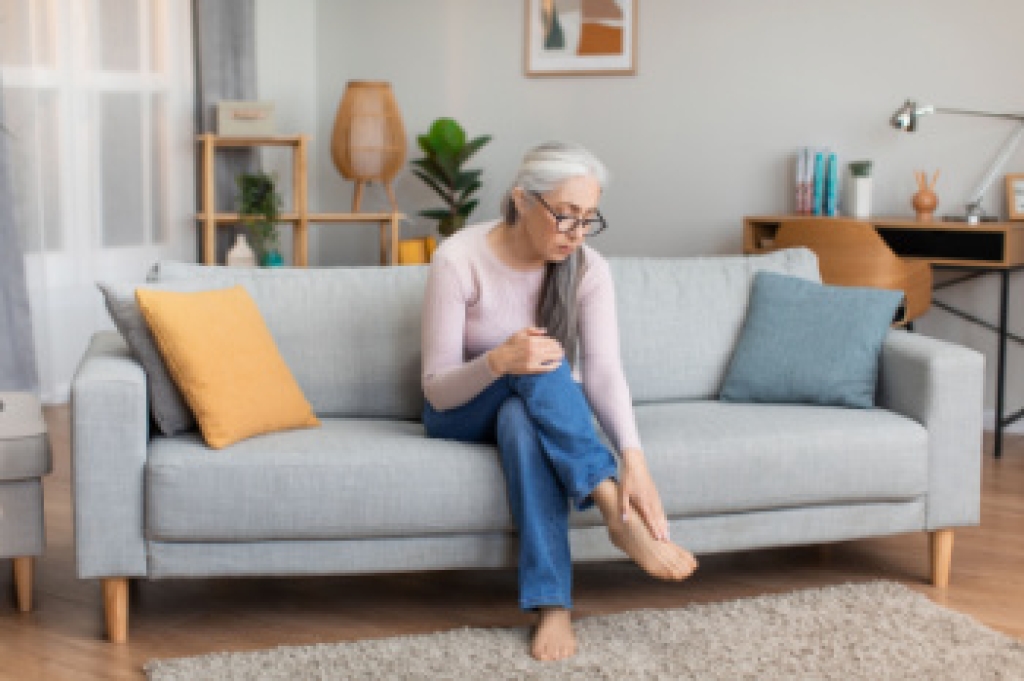
Proper Foot Care at Any Age

Taking care of your feet is essential for preserving your ability to walk and stay active. The feet, complex structures with 26 bones, numerous muscles, ligaments, and tendons, support your entire body. Neglecting foot health can lead to common problems like blisters, calluses, bunions, and more serious conditions such as plantar fasciitis or arthritis. Good foot health is vital for maintaining mobility and proper posture. Healthy feet allow for an active lifestyle, which is vital for overall well-being. At different ages, foot care needs vary. For children, it is about ensuring proper growth and development. For adults, it is about maintaining strength and flexibility. For seniors, preventing falls and managing chronic conditions becomes essential. Daily foot care should include washing and drying feet thoroughly, moisturizing to prevent dryness, trimming nails properly, and wearing appropriate footwear. Regular self-checks can catch issues early. If you would like to learn more about everyday foot care, it is suggested that you schedule an appointment with a podiatrist who can address specific problems and educate you on comprehensive foot care.

Everyday foot care is very important to prevent infection and other foot ailments. If you need your feet checked, contact Charles Oehrlein, DPM from Hoover Foot Care. Our practitioner can provide the care you need to keep you pain-free and on your feet.

Everyday Foot Care

Often, people take care of their bodies, face and hair more so than they do for their feet. But the feet are a very important aspect of our bodies, and one that we should pay more attention to. Without our feet, we would not be able to perform most daily tasks.

It is best to check your feet regularly to make sure there are no new bruises or cuts that you may not have noticed before. For dry feet, moisturizer can easily be a remedy and can be applied as often as necessary to the affected areas. Wearing shoes that fit well can also help you maintain good foot health, as well as making it easier to walk and do daily activities without the stress or pain of ill-fitting shoes, high heels, or even flip flops. Wearing clean socks with closed shoes is important to ensure that sweat and bacteria do not accumulate within the shoe. Clean socks help to prevent Athlete’s foot, fungi problems, bad odors, and can absorb sweat.

If you have any questions, please feel free to contact our office located in Hoover, Oneonta, and Munford, AL . We offer the newest diagnostic and treatment technologies for all your foot care needs.
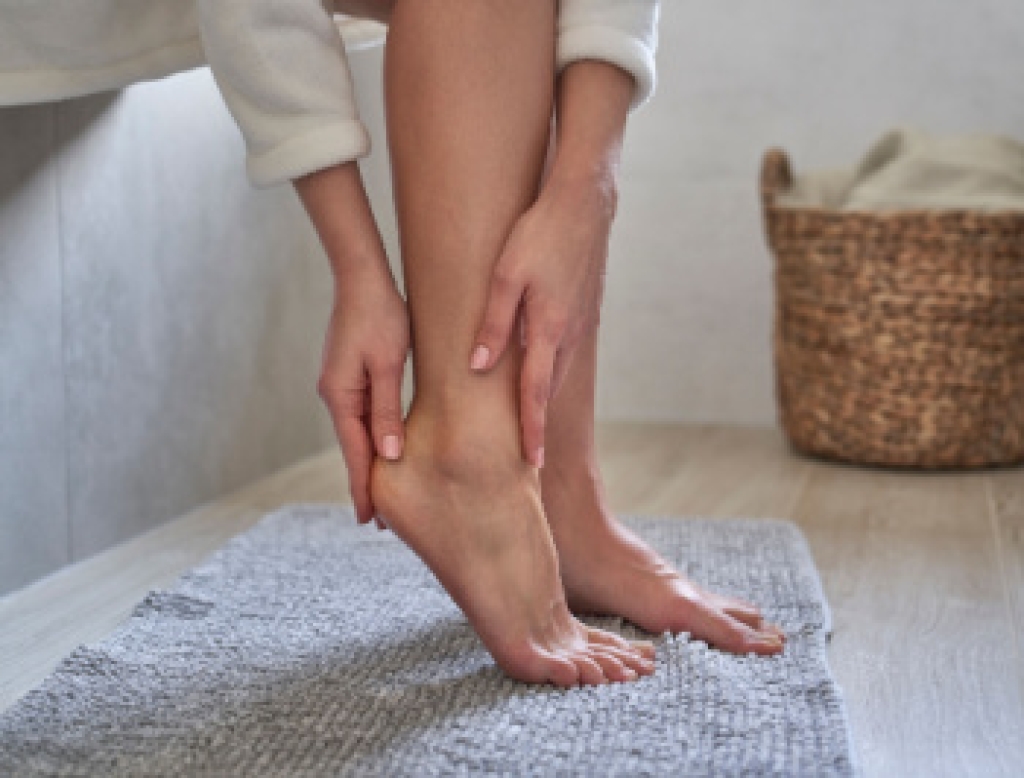
Read more about Everyday Foot Care

Understanding Pediatric Foot Alignment Deformities

Pediatric foot alignment deformities encompass a range of conditions affecting the structure and function of children's feet. These deformities can manifest in various forms, including flat feet, toe walking, in-toeing, and out-toeing. While some children may outgrow these issues naturally as they develop, others may require intervention to prevent potential complications. Diagnosis typically involves a thorough physical examination by a podiatrist, assessing gait patterns, foot alignment, and range of motion. In some cases, imaging studies such as X-rays may be utilized to further evaluate the condition. Treatment approaches vary depending on the specific deformity and its severity, ranging from observation and monitoring to orthotic devices, or surgical intervention in more severe cases. Early detection and intervention are essential in addressing pediatric foot alignment deformities, ensuring proper development and function of the feet as children grow and mature. If your child has been born with any type of foot deformity, it is suggested that you have a podiatrist on your healthcare team who can monitor and treat the specific condition.

The health of a child’s feet is vital to their overall well-being. If you have any questions regarding foot health, contact Charles Oehrlein, DPM of Hoover Foot Care. Our practitioner can provide the care you need to keep you pain-free and on your feet.

Tips for Keeping Children's Feet Healthy

  • Make sure their shoes fit properly
  • Look for any signs of in-toeing or out-toeing
  • Check to see if they have Clubfoot (condition that affects your child’s foot and ankle, twisting the heel and toes inward) which is one of the most common nonmajor birth defects.
  • Lightly cover your baby’s feet (Tight covers may keep your baby from moving their feet freely, and could prevent normal development)
  • Allow your toddler to go shoeless (Shoes can be restricting for a young child’s foot)
  • Cut toenails straight across to avoid ingrown toenails
  • Keep your child’s foot clean and dry
  • Cover cuts and scrapes. Wash any scratches with soap and water and cover them with a bandage until they’ve healed.

If you have any questions, please feel free to contact our office located in Hoover, Oneonta, and Munford, AL . We offer the newest diagnostic and treatment technologies for all your foot care needs.
Read more about How to Care for Your Child's Feet

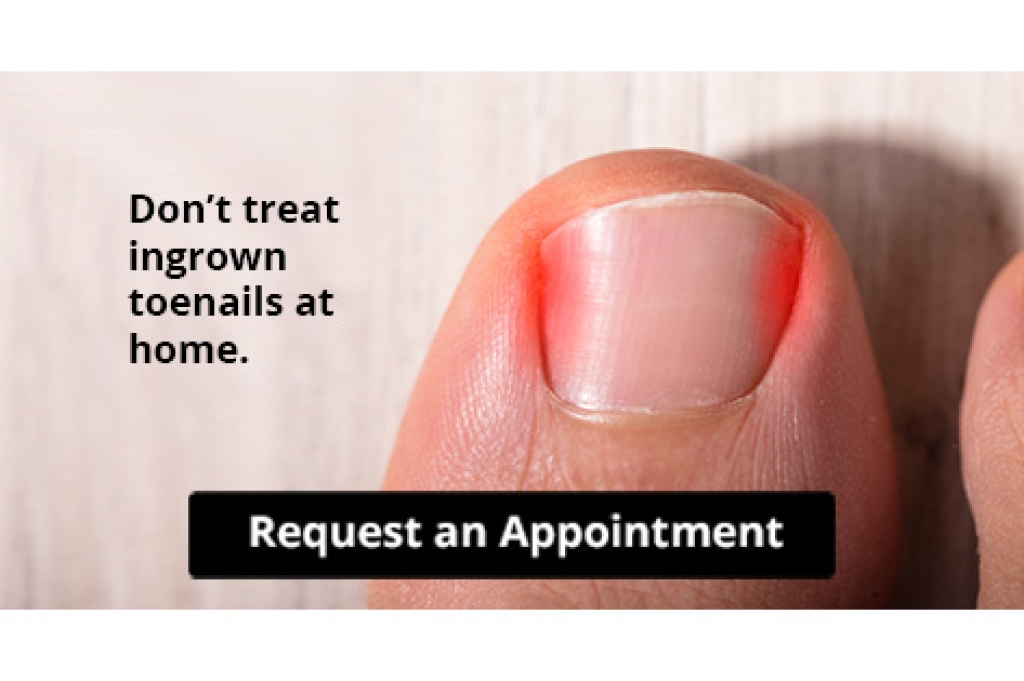
Let the Expert Treat Your Ingrown Toenails

Ingrown toenails can be painful and can make wearing shoes or walking uncomfortable. Seek professional help if you believe you've developed an ingrown toenail and be treated safely. 

Strategies for Preventing Falls

Preventing falls among older adults is paramount to maintaining quality of life and independence. Various factors contribute to an increased risk of falls in seniors. Among them are muscle weakness, gait abnormalities, and pain. Additionally, certain health conditions like inner ear problems, vision impairment, and arthritis can negatively affect balance and mobility. Medications, such as those for blood pressure and sleep disorders, can induce side effects that increase susceptibility to falls. Through comprehensive assessments and evaluations, a podiatrist can tailor interventions to reduce fall risks. These may involve strength, gait, and balance tests, blood pressure monitoring and vision assessments. Incorporating balance exercises and strength training into daily routines can significantly enhance mobility and stability, thereby reducing the likelihood of falls. Activities targeting core and leg muscles are particularly beneficial, as they play a vital role in maintaining balance and coordination. Using assistive devices, such as canes, walkers or wheelchairs, can provide additional support and safety for individuals with mobility limitations. If you are a senior and have fallen recently or experience balance problems, it is suggested that you schedule an appointment with a podiatrist for a thorough exam to determine what the reason is.

Preventing falls among the elderly is very important. If you are older and have fallen or fear that you are prone to falling, consult with Charles Oehrlein, DPM from Hoover Foot Care. Our practitioner will assess your condition and provide you with quality advice and care.

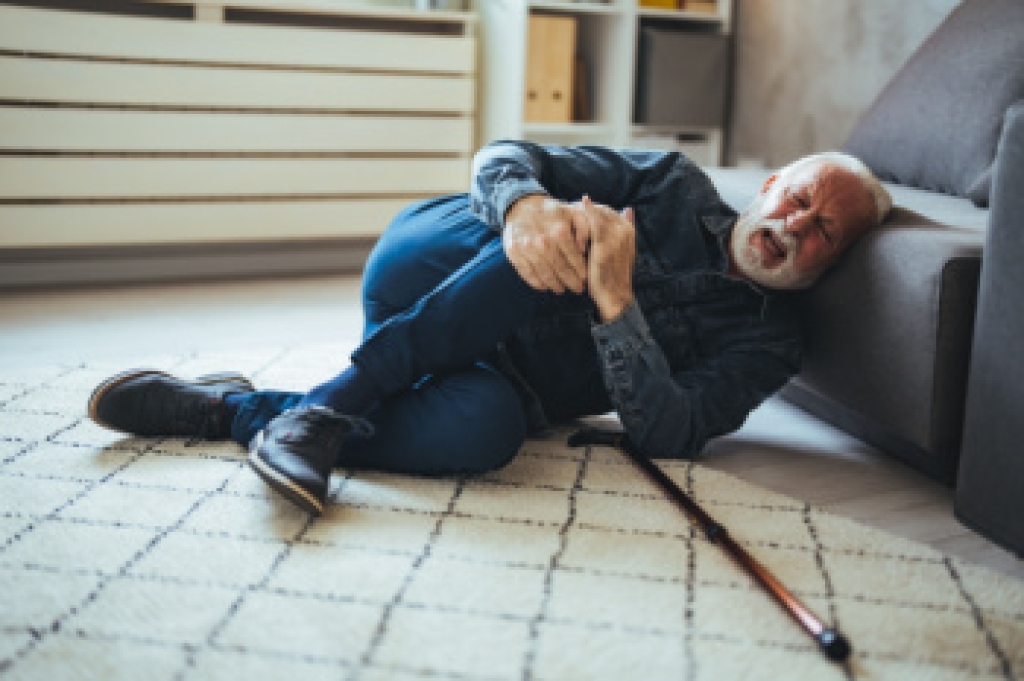
Every 11 seconds, an elderly American is being treated in an emergency room for a fall related injury. Falls are the leading cause of head and hip injuries for those 65 and older. Due to decreases in strength, balance, senses, and lack of awareness, elderly persons are very susceptible to falling. Thankfully, there are a number of things older persons can do to prevent falls.

How to Prevent Falls

Some effective methods that older persons can do to prevent falls include:

  • Enrolling in strength and balance exercise program to increase balance and strength
  • Periodically having your sight and hearing checked
  • Discuss any medications you have with a doctor to see if it increases the risk of falling
  • Clearing the house of falling hazards and installing devices like grab bars and railings
  • Utilizing a walker or cane
  • Wearing shoes that provide good support and cushioning
  • Talking to family members about falling and increasing awareness

Falling can be a traumatic and embarrassing experience for elderly persons; this can make them less willing to leave the house, and less willing to talk to someone about their fears of falling. Doing such things, however, will increase the likelihood of tripping or losing one’s balance. Knowing the causes of falling and how to prevent them is the best way to mitigate the risk of serious injury.  

If you have any questions, please feel free to contact our office located in Hoover, Oneonta, and Munford, AL . We offer the newest diagnostic and treatment technologies for all your foot care needs.
Read more about Falls Prevention

Matching Your Footwear to Your Run

Choosing the right running shoes is vital for optimizing performance and preventing foot injuries from different types of running. For long-distance running, prioritizing cushioning and support is key to absorbing impact and maintaining comfort over extended periods. Look for shoes with ample cushioning in the midsole and a supportive heel counter to minimize fatigue and strain. For trail running, opt for trail running shoes with durable outsoles and enhanced traction to navigate rugged terrain confidently. These shoes often feature protective elements like rock plates to shield your feet from uneven surfaces and debris. For speedwork and races, lightweight and responsive running shoes are ideal to maximize agility and propulsion. Seek out styles with minimal cushioning and a responsive midsole for a more efficient stride. By matching your footwear to the specific demands of your run, you can enhance your performance and enjoyment while minimizing the risk of discomfort or injury. If you have endured a foot injury from running, it is suggested that you consult a podiatrist who can treat foot pain, and guide you toward choosing the correct running shoes.

If you are a runner, wearing the right running shoe is essential. For more information, contact Charles Oehrlein, DPM from Hoover Foot Care. Our practitioner can provide the care you need to keep you pain-free and on your feet.

Choosing the Right Running Shoe for Your Foot Type

To increase performance and avoid the risk of injury, it is important to choose the right running shoe based on your foot type. The general design of running shoes revolves around pronation, which is how the ankle rolls from outside to inside when the foot strikes the ground.

  • Neutral runners are able to choose from a wide variety of shoes, including minimalist shoes or even going barefoot.
  • Runners who overpronate, or experience an over-abundance of ankle rolling, should choose shoes that provide extra motion control and stability.
  • Runners who underpronate, or supinate, have feet that have high arches and lack flexibility, preventing shock absorption. They require shoes with more flexibility and cushion.

If you have any questions, please feel free to contact our office located in Hoover, Oneonta, and Munford, AL . We offer the newest diagnostic and treatment technologies for all your foot care needs.

Read more about Choosing the Right Running Shoe for Your Foot Type

Connect With Us

scroll to top