
Gout is a painful, inflammatory form of arthritis. Those affected will typically feel an intense stiffness in the joints of their feet, particularly in the big toe. Schedule a visit to learn about how gout can be managed and treated.
Gout is a painful, inflammatory form of arthritis. Those affected will typically feel an intense stiffness in the joints of their feet, particularly in the big toe. Schedule a visit to learn about how gout can be managed and treated.
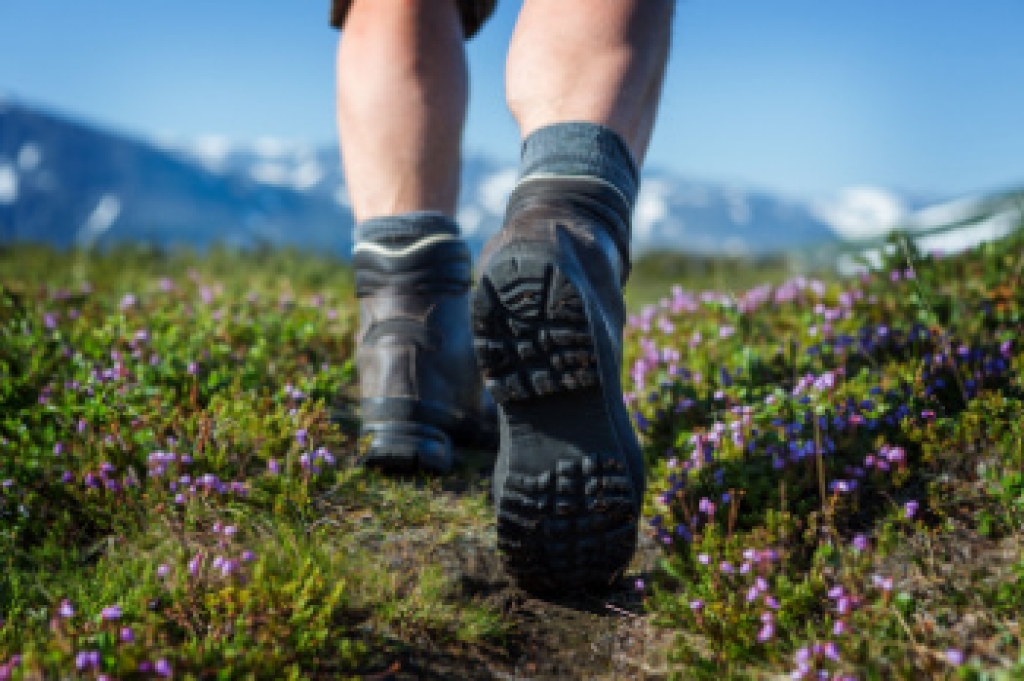
Choosing the right hiking shoes can make every trail more comfortable, and help reduce foot problems. Hiking shoes support the feet during outdoor activity. Hiking boots provide more ankle coverage and offer added stability on rocky terrain. Symptoms of wearing poor footwear include foot pain, blisters, or sore toes. Risk factors include long hikes, steep trails, and shoes that fit poorly. The right footwear should match your trail and your foot shape.
Hikers may choose lightweight hiking shoes for easier trails or boots for rougher terrain. Look for a secure heel, enough toe room, and a sturdy and flexible sole. Protection matters because rocks and roots can stress the feet. Comfort is important because pressure can worsen during a long hike. Boots that are light weight can reduce fatigue, while breathability helps manage moisture. Try hiking footwear with your socks and walk around before buying.
Wearing the wrong hiking shoes can contribute to blisters, corns, and ankle discomfort. Shoes that squeeze the toes may create pressure and rubbing. Loose footwear can cause sliding and friction. Poor support may increase strain on the arches and heels. To prevent problems, trace your foot when ordering footwear online, and compare the outline with the shoe shape. Try on shoes later in the day when the feet are larger.
If hiking foot pain develops, a podiatrist can examine your feet, review your footwear, and identify the cause. Treatment may include activity changes, protective padding, or custom orthotics, when appropriate. A podiatrist may also treat blisters, corns, or inflammation, and monitor healing when symptoms persist. If you develop foot pain from wearing the wrong shoes while hiking, it is suggested that you consult a podiatrist for an accurate diagnosis and appropriate treatment solutions.
You should always make sure your running shoes fit properly in order to avoid injury. For more information, contact Charles Oehrlein, DPM from Hoover Foot Care. Our practitioner can provide the care you need to keep you pain-free and on your feet.
Choosing the Right Running Shoe for Your Foot Type
Improper shoe sizing can cause a myriad of problems for your feet. Shoes that don’t fit you properly can lead to muscular imbalances in your body, which can result in foot, knee, and hip injuries.
Tips for Finding the Right Running Shoe
If you have any questions, please feel free to contact our office located in Hoover, Oneonta, and Munford, AL . We offer the newest diagnostic and treatment technologies for all your foot care needs.
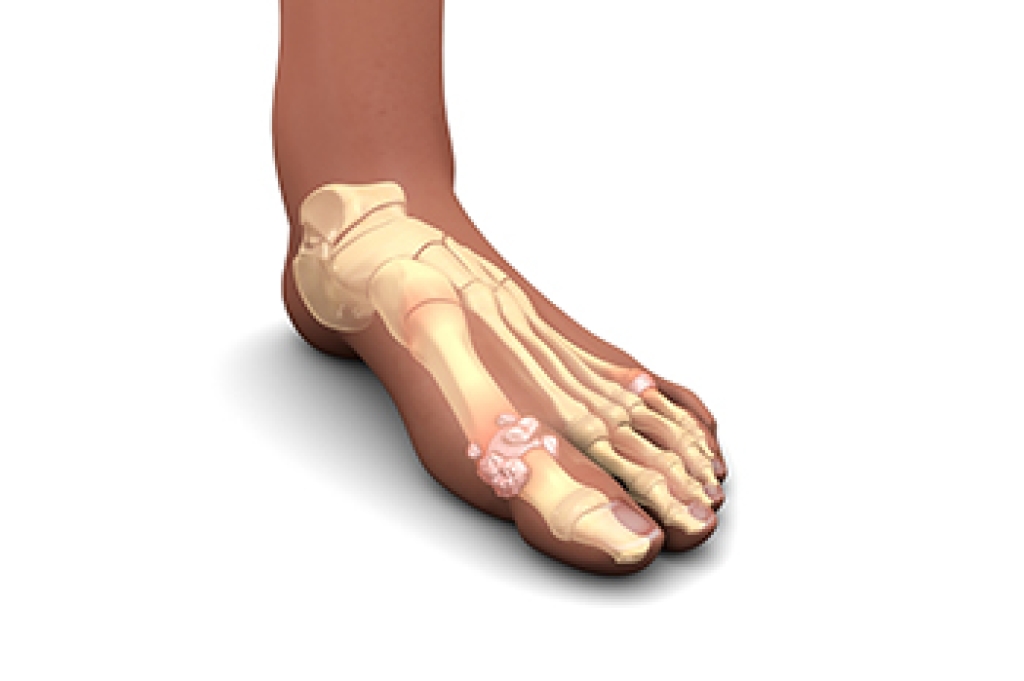
Gout is a joint-related disease that develops when high levels of uric acid build up in the blood and form sharp crystals within a joint. These crystals often collect in the joints of the feet, especially the big toe, leading to sudden inflammation and intense discomfort. Symptoms may include swelling, redness, and severe joint pain that may limit normal movement. Risk factors may include genetic predisposition, gender differences, age-related metabolic changes, and dietary habits that increase uric acid production. Certain foods and beverages may contribute to elevated uric acid levels and trigger painful flare ups. A podiatrist can diagnose gout, help manage symptoms, and provide treatment to protect joint health. If you have symptoms of gout, it is suggested that you promptly consult a podiatrist who can verify the diagnosis and provide relief options.
Gout is a foot condition that requires certain treatment and care. If you are seeking treatment, contact Charles Oehrlein, DPM from Hoover Foot Care. Our practitioner will treat your foot and ankle needs.
What Is Gout?
Gout is a type of arthritis caused by a buildup of uric acid in the bloodstream. It often develops in the foot, especially the big toe area, although it can manifest in other parts of the body as well. Gout can make walking and standing very painful and is especially common in diabetics and the obese.
People typically get gout because of a poor diet. Genetic predisposition is also a factor. The children of parents who have had gout frequently have a chance of developing it themselves.
Gout can easily be identified by redness and inflammation of the big toe and the surrounding areas of the foot. Other symptoms include extreme fatigue, joint pain, and running high fevers. Sometimes corticosteroid drugs can be prescribed to treat gout, but the best way to combat this disease is to get more exercise and eat a better diet.
If you have any questions, please feel free to contact our office located in Hoover, Oneonta, and Munford, AL . We offer the newest diagnostic and treatment technologies for all your foot care needs.
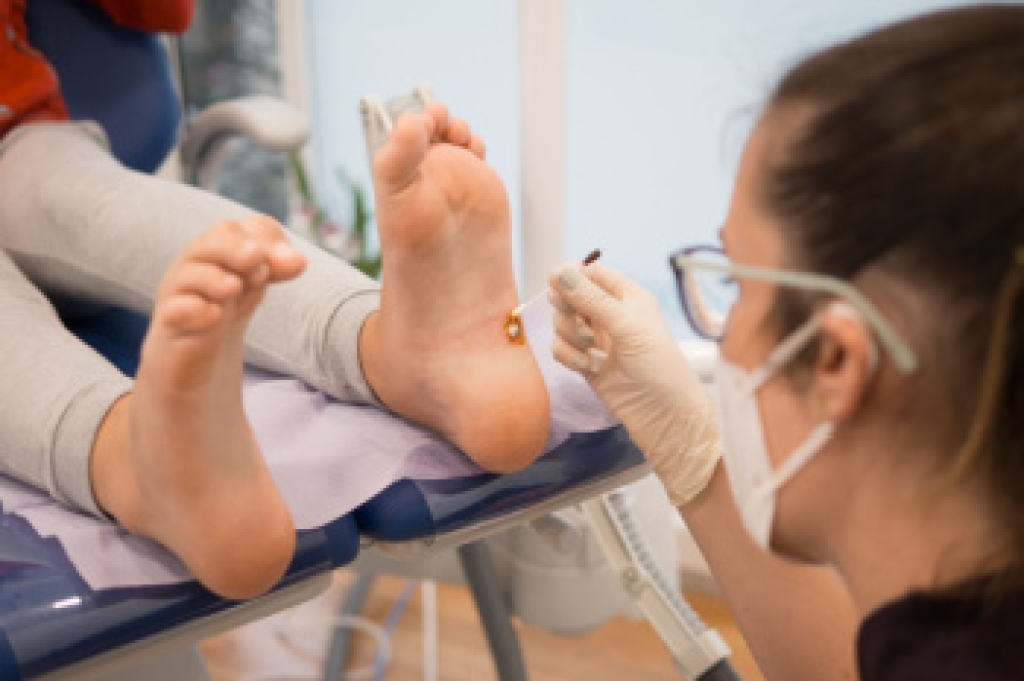
Plantar warts, also called verrucas, are thickened skin growths that develop on the soles of the feet and toes. They are caused by human papillomavirus, or HPV, which infects the skin’s outer layer. The virus can spread through direct contact with infected skin scales on damp public floors, including changing rooms, showers, and swimming-pool areas. Plantar warts can also spread to nearby skin through scratching or rubbing. They are not hereditary and are non-cancerous. A wart can be small or grow larger than one centimeter, and some appear in tightly packed groups called mosaic warts.
Plantar warts can develop anywhere on the sole, but those on weight-bearing areas can become uncomfortable or painful when walking. Their surface can look rough and raised, and tiny black dots can appear inside the growth. These dots are small, clotted blood vessels. A podiatrist can examine the area and determine whether the growth is a plantar wart or another problem, like a corn. This distinction matters because the conditions require different care. Some plantar warts disappear without treatment, while others remain stubborn. Warts can also return after successful treatment because treatment does not prevent a new HPV infection.
A podiatrist can recommend treatment when a plantar wart causes pain, spreads, or interferes with daily activity. Treatment can include salicylic-acid preparations, cryotherapy, or other office-based methods. Cryotherapy uses liquid nitrogen to freeze the wart and can cause temporary soreness or blistering. Surgery is another option for selected stubborn warts. Treatment results vary, and no method guarantees permanent clearance. Podiatrists can also advise patients on reducing pressure on painful areas and lowering the chance of spreading the virus. If you have developed one or more plantar warts, it is suggested that you schedule an appointment with a podiatrist for effective relief, treatment, and prevention tips.
Plantar warts can be very uncomfortable. If you need your feet checked, contact Charles Oehrlein, DPM from Hoover Foot Care. Our practitioner will assist you with all of your foot and ankle needs.
About Plantar Warts
Plantar warts are the result of HPV, or human papillomavirus, getting into open wounds on the feet. They are mostly found on the heels or balls of the feet.
While plantar warts are generally harmless, those experiencing excessive pain or those suffering from diabetes or a compromised immune system require immediate medical care. Plantar warts are easily diagnosed, usually through scraping off a bit of rough skin or by getting a biopsy.
Symptoms
Treatment
To help prevent developing plantar warts, avoid walking barefoot over abrasive surfaces that can cause cuts or wounds for HPV to get into. Avoiding direct contact with other warts, as well as not picking or rubbing existing warts, can help prevent the further spread of plantar warts. However, if you think you have developed plantar warts, speak to your podiatrist. He or she can diagnose the warts on your feet and recommend the appropriate treatment options.
If you have any questions, please feel free to contact our office located in Hoover, Oneonta, and Munford, AL . We offer the newest diagnostic and treatment technologies for all your foot care needs.
Stress fractures are small cracks in bones that develop from repeated force rather than one sudden injury. They frequently affect weight-bearing bones in the feet and lower legs. Runners and athletes can develop these injuries, but anyone who places repeated stress on the feet can be affected. A sudden increase in exercise can raise the risk of a stress fracture. Changes in training surfaces can also place added strain on bones. Pain usually develops gradually and becomes more noticeable with weight-bearing activity. Swelling and tenderness can occur around the injured area.
Stress fractures can affect several bones in the foot. The metatarsals, which are the long bones behind the toes, are frequent sites of these injuries. Stress fractures can also occur in the heel and other foot bones. Weak bones can make a person more likely to develop a fracture from repeated stress. Pain can become more severe when the injury is not properly treated. Continuing activities that place pressure on the injured bone can interfere with healing. Because other foot problems can cause similar symptoms, an accurate diagnosis is important before treatment begins.
A podiatrist can evaluate a suspected stress fracture by examining the painful area and reviewing recent changes in physical activity. Imaging tests can help identify the injury, although some stress fractures are difficult to see on early X-rays. Treatment focuses on reducing pressure on the injured bone so it can heal properly. A podiatrist can use protective devices to limit stress on the foot and recommend appropriate changes in activity. Prompt care can reduce the risk of the crack becoming larger or healing incorrectly. If you have symptoms of a stress fracture, it is suggested that you schedule an appointment with a podiatrist for a diagnosis and appropriate treatment.
Stress fractures occur when there is a tiny crack within a bone. To learn more, contact Charles Oehrlein, DPM from Hoover Foot Care. Our practitioner can provide the care you need to keep you pain free and on your feet.
How Are They Caused?
Stress fractures are the result of repetitive force being placed on the bone. Since the lower leg and feet often carry most of the body’s weight, stress fractures are likely to occur in these areas. If you rush into a new exercise, you are more likely to develop a stress fracture since you are starting too much, too soon. Pain resulting from stress fractures may go unnoticed at first, however it may start to worsen over time.
Risk Factors
Stress fractures do not always heal properly, so it is important that you seek help from a podiatrist if you suspect you may have one. Ignoring your stress fracture may cause it to worsen, and you may develop chronic pain as well as additional fractures.
If you have any questions please contact our office located in Hoover, Oneonta, and Munford, AL . We offer the newest diagnostic and treatment technologies for all your foot and ankle needs.
Connect With Us
